Request a Quote
  • Affiliates

Why Is Wood Used for Packaging?

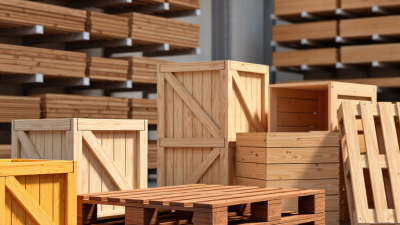
Wood has protected goods for centuries, yet its value in modern logistics is not merely traditional. The question “Why is wood used for packaging?” deserves a practical answer. Packaging engineers choose wood because it can carry heavy loads, absorb moderate shocks, and support products during stacking and transport. A thick pallet feels basic, but its boards distribute weight across a warehouse floor and inside a shipping container. That physical reliability matters when machinery, glass, or fresh produce travels long distances.

Wood for packaging also offers useful flexibility. Manufacturers can cut, nail, reinforce, repair, and reuse wooden pallets or crates with common tools. Different species provide different strength, weight, moisture resistance, and cost advantages. Responsible suppliers can also source timber from managed forests and document its origin. International shipments may require approved treatment and marking to reduce pest risks. These details connect packaging choices with forestry practices, supply-chain standards, and customer trust.

Still, wood is not automatically the best material. Untreated boards can absorb water, develop mold, or carry pests. Rough surfaces may damage delicate products, while inconsistent dimensions can complicate automated handling. A credible assessment should compare wood with plastic, corrugated board, or metal for each application. It should examine weight, durability, reuse cycles, repair rates, transport distance, and end-of-life options. The answer is therefore less perfect than it first appears. Wood remains valuable, but good packaging depends on careful design, verified sourcing, and honest performance testing.

Why Is Wood Used for Packaging?

What Makes Wood Suitable for Packaging?

Why Is Wood Used for Packaging?

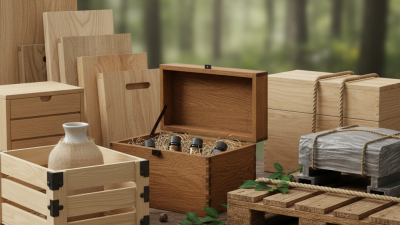
Wood remains suitable for packaging because it combines strength, resilience, and practical workability. Its cellular structure can absorb shocks from forklift handling, road vibration, and sudden drops. Skilled packers can cut, nail, screw, and repair wooden components with ordinary tools. This flexibility helps create crates, pallets, skids, and protective frames for irregular equipment.

The USDA Forest Products Laboratory’s Wood Handbook, 2021, explains that wood properties change by species, grain direction, and moisture content. That variation matters. A dense hardwood may support heavy machinery, while a lighter softwood can reduce package weight. Wood also grips cargo better than many smooth materials. However, it can swell, split, or weaken when exposed to rain. The material is useful, but never automatically reliable.

FAO’s Global Forest Resources Assessment 2020 reported that forests covered about 4.06 billion hectares, or 31% of global land area. Responsible sourcing still requires traceability and careful material selection. Wood packaging can often be repaired and reused, yet damaged boards should not be ignored.

Tips: Keep wooden packaging above wet floors. Check moisture before sealing cargo. Select straight-grained boards for load-bearing parts. Use compliant heat-treated materials for international shipments. Avoid calling every wooden package sustainable; its real impact depends on sourcing, service life, and final disposal.

How Wood Packaging Is Made and Prepared

Why Is Wood Used for Packaging?

Wood packaging starts with careful material selection, not simply cutting boards to size. Manufacturers inspect timber for strength, moisture, knots, cracks, and insect damage. Stable wood supports heavy goods and absorbs minor impacts during handling. From practical experience, even a strong board can fail when its moisture level is ignored. No piece is perfect.

After cutting, workers trim boards to precise lengths and remove unsafe edges. They then assemble pallets, crates, or frames with suitable nails, screws, or joints. For international transport, many facilities apply approved heat treatment to control pests. A common standard requires the wood core to reach 56°C for 30 minutes. Treatment records and identification marks support traceability. These steps require trained operators and calibrated equipment.

Preparation continues after assembly. Workers check the package for loose fasteners, sharp corners, weak joints, and uneven surfaces. They measure openings carefully, especially when machinery or glass needs internal supports. Moisture checks also matter because wet wood may shrink, swell, or encourage decay. A final inspection should include load testing when the cargo is unusually heavy. Still, inspections can miss hidden splits inside timber. That limitation deserves attention, not denial. Better packaging comes from repeated checks, clear records, and willingness to improve the process.

Why Is Wood Used for Packaging? – How Wood Packaging Is Made and Prepared
Data Dimension Typical Fact or Specification Why It Matters in Packaging How It Is Made or Prepared
Material Source Commonly made from softwoods such as pine, spruce, and fir, or hardwoods such as oak and beech. Different wood species provide different levels of strength, density, machinability, and cost. Logs are debarked, sawn into boards, blocks, runners, or plywood components, and then graded for intended use.
Strength and Load Support Solid wood and engineered wood can support concentrated loads when the board thickness, span, and joint design are correctly selected. Wood crates, pallets, and cases help protect heavy or irregularly shaped goods during handling and transport. Designers select the timber grade, section size, fasteners, and reinforcement according to the load and handling conditions.
Shock and Vibration Protection Wood has a degree of natural resilience and can be combined with blocking, bracing, and cushioning materials. It helps reduce movement and impact damage caused by lifting equipment, road transport, rail movement, or shipping. Internal braces, cleats, dividers, and blocking are fitted to keep the product from shifting inside the package.
Custom Design Capability Wood packaging can be produced in many forms, including pallets, crates, cases, skids, reels, and large transport frames. Custom dimensions allow packaging to fit machinery, industrial parts, agricultural products, and other non-standard loads. Components are cut, drilled, notched, joined, and assembled using nails, screws, bolts, staples, or approved adhesives.
Pallet Compatibility Wood pallets can be designed for two-way or four-way entry, depending on the runner and block configuration. Forklifts and pallet trucks can move packaged goods efficiently through warehouses and distribution centers. Deck boards are fastened to stringers or blocks, then inspected for broken boards, protruding fasteners, and structural defects.
Machining and Assembly Wood is relatively easy to saw, plane, drill, and fasten with standard industrial equipment. Manufacturers can produce packaging quickly and modify designs without specialized metal-forming tools. Boards are cut to a cutting list, edges may be trimmed or planed, and parts are assembled according to drawings or packaging specifications.
Moisture Management Wood is hygroscopic, meaning it absorbs and releases moisture as environmental humidity changes. Moisture control helps reduce warping, splitting, fungal growth, and dimensional changes during storage and transport. Timber may be air-dried or kiln-dried; packaging is stored under suitable conditions and protected from direct ground contact and rain.
International Phytosanitary Treatment Solid wood packaging used in international trade generally must comply with ISPM 15 requirements. The treatment reduces the risk of transporting regulated wood-boring insects and other forest pests across borders. Approved heat treatment requires the wood core to reach at least 56°C for a minimum of 30 minutes; compliant packaging is marked with the official IPPC symbol and treatment code.
Surface Preparation Surfaces may be rough-sawn, planed, sanded, coated, or left untreated depending on the application. Surface preparation can improve handling safety, cleanliness, appearance, and resistance to selected environmental conditions. Sharp edges and splinters are removed where needed, and protective coatings or liners may be added for specific products.
Product Protection Crates and cases can be fitted with waterproof barriers, foil laminates, desiccants, and corrosion-inhibiting materials. These additions help protect sensitive goods from moisture, dust, salt air, and corrosion during extended transport. The product is wrapped or lined first, then secured with blocking and bracing before the wooden enclosure is closed.
Repairability Many wood pallets and crates can be repaired by replacing damaged boards, blocks, or fasteners. Repair extends service life and may reduce replacement requirements for reusable transport packaging. Damaged components are removed, replacement parts are fitted, and the package is inspected before being returned to service.
End-of-Life Options Clean, untreated wood can often be reused, repaired, chipped, or recovered for material or energy use, subject to local rules. Wood packaging can support resource recovery when it is separated from contaminants and handled through appropriate waste channels. Packaging is dismantled or sorted; reusable parts are recovered, while treated, painted, or contaminated wood is managed according to applicable regulations.

Which Products Are Commonly Packed in Wood?

Wood packaging remains common because it combines strength, repairability, and practical protection. Its rigid frame absorbs stacking pressure better than thin, flexible materials. Workers can also nail, screw, or brace wooden parts around unusual shapes.

Fresh produce often travels in wooden crates. Apples, pears, and root vegetables need ventilation, firm support, and protection from crushing. Glass bottles, ceramic items, and delicate instruments may use wooden cases with foam or fiber cushioning inside. These cases reduce movement during loading and unloading.

Heavy machinery, electrical equipment, and replacement parts are frequent users of wooden crates and skids. A custom base spreads weight across forklift slots and keeps metal components above damp floors. Furniture, sculptures, and other large objects also benefit from wooden frames because the material can match their dimensions. I have seen small gaps prevent condensation, but poor design can still trap moisture. Wood is not flawless.

For international shipments, packaging timber usually needs approved heat treatment and official marking under ISPM 15 rules. Dry wood, clean fasteners, and accurate weight ratings matter. Reused crates can work well, although hidden insects, loose nails, or weakened joints deserve careful inspection. A stronger crate is not always safer if its contents can slide inside.

What Benefits Does Wood Offer During Shipping?

Why Is Wood Used for Packaging?

What Benefits Does Wood Offer During Shipping?

Wood packaging remains useful because it combines strength, cushioning, and practical handling. A wooden crate can protect machinery from knocks, vibration, and uneven loading. Its rigid panels help keep heavy items stable during transport. Unlike thin plastic wrapping, wood can support stacked cartons when designed correctly. It also adapts easily to unusual product shapes.

Wood offers useful flexibility during shipping. Packers can cut boards, add braces, or build a fitted base around the cargo. This reduces movement inside the crate. Less movement usually means fewer scratches, dents, and broken components. Wood also performs well with forklifts and pallet jacks. However, it adds weight and may absorb moisture. That trade-off deserves careful attention, especially during long ocean shipments. Wood is not perfect.

Tips: Choose dry, sound boards without large cracks or loose knots. Add corner protection where straps may press into the package. Leave enough space for cushioning, but avoid unnecessary gaps. Mark the crate clearly for lifting points and weight balance. Check the packaging before dispatch, even when the cargo seems secure. Small weaknesses can become expensive problems later.

What Are the Environmental Limits of Wood Packaging?

Why Is Wood Used for Packaging?

What Are the Environmental Limits of Wood Packaging?

Wood packaging remains useful because it is strong, repairable, and widely available. A wooden crate can protect heavy machinery during rough handling. A pallet can also be repaired instead of discarded after one broken board. These practical benefits support reuse and longer service life.

However, wood is not automatically sustainable. Forest harvesting can reduce biodiversity when sourcing is poorly managed. Transport also matters because wooden packaging is heavier than many alternatives. Moisture creates another problem. Wet timber may develop mold, lose strength, or require extra drying energy. Treatments and coatings can further complicate recycling and disposal. I have seen packaging plans focus on material choice while ignoring return distances. That is an incomplete assessment.

Tips: Choose durable wood from traceable, responsibly managed forests. Design crates with replaceable panels and standard fasteners. Keep packaging dry during storage and transport. Measure how many trips each pallet completes. A lightweight crate may seem efficient, but frequent replacement can create more waste. Small details matter.

Wood packaging can also carry pests if it is stored or moved carelessly. Heat treatment and inspection reduce this risk, but they require controlled processes. Local rules may differ, so shippers should verify current requirements before transport. Reuse sounds ideal, yet damaged or contaminated wood may not be suitable for another shipment. The honest answer is less comfortable: wood works best when its entire life cycle is managed, not when its natural appearance is treated as proof of environmental performance.

en_USEnglish