Is Fiber Packaging the Best Choice for Sustainable Sourcing in China?
As the demand for sustainable packaging grows, fiber packaging emerges as a prominent solution in China. The fiber packaging market is projected to reach $12 billion by 2025, according to a recent report by Smithers Pira. This shift highlights a growing trend toward eco-friendly materials. Experts believe that fiber packaging helps reduce plastic waste, a pressing issue in today's world.
Dr. Liu Jing, a leading expert in sustainable materials, states, "Fiber packaging can significantly lower carbon footprints compared to traditional options." This sentiment reflects an industry-wide shift towards integrating sustainability into sourcing strategies. Despite its advantages, companies face challenges in sourcing high-quality fiber. Variability in raw materials can impact consistency.
While fiber packaging offers many benefits, it requires careful consideration. Companies must evaluate their suppliers. The importance of trust and reliability is paramount. As the industry evolves, maintaining quality while maximizing sustainability will be crucial.
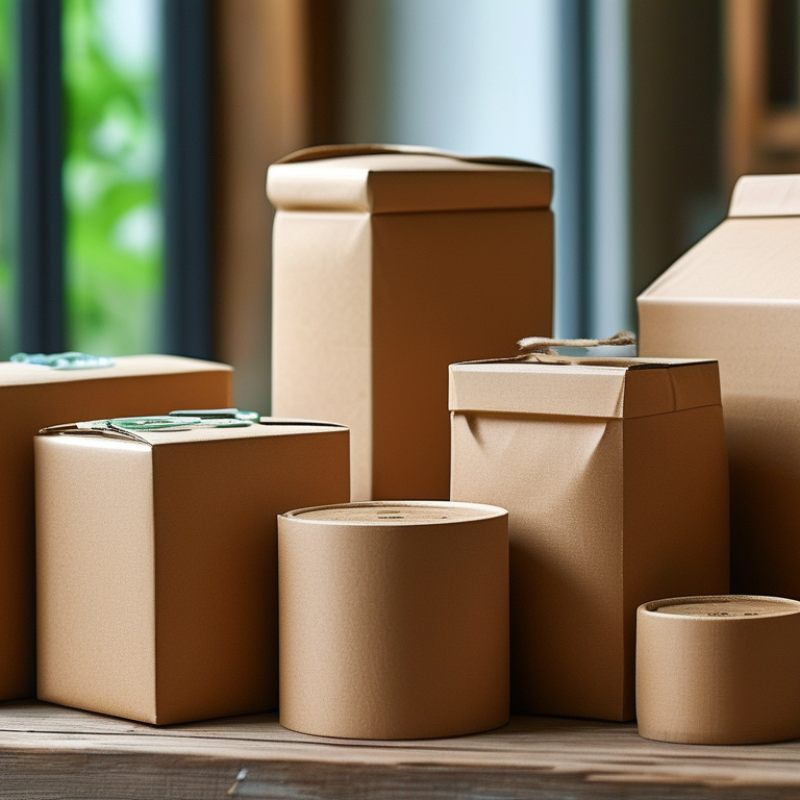
Overview of Fiber Packaging and Its Composition
Fiber packaging has emerged as a sustainable alternative in the packaging industry. It is primarily made from plant-based materials like wood pulp, which is renewable and biodegradable. This composition supports environmental standards by reducing plastic waste and carbon impact.
According to a report by Smithers Pira, the global market for sustainable packaging could reach $500 billion by 2026, with fiber packaging playing a significant role. Additionally, fiber materials can often be recycled multiple times without losing their quality, making them a practical choice for brands aiming for a circular economy.
**Tip:** To maximize the benefits of fiber packaging, consider using it in conjunction with other sustainable materials. This can enhance durability and functionality while maintaining eco-friendliness.
Despite its advantages, challenges exist in sourcing and processing. The availability of high-quality fiber can be inconsistent, affecting production. Companies need to evaluate their supply chains carefully to ensure they meet sustainability goals while managing costs effectively.
Environmental Benefits of Fiber Packaging Compared to Plastics
Fiber packaging is gaining recognition as a more sustainable option compared to traditional plastics. Research shows that fiber packaging can significantly reduce carbon emissions. For instance, the paper and cardboard industry reports a 40-70% lower carbon footprint compared to plastic production. Additionally, fiber packaging is biodegradable and compostable, unlike plastics, which can take hundreds of years to decompose.
One of the critical advantages of fiber packaging is its potential for recycling. The recycling rate for paper products in China stands at 63%, compared to only 9% for plastics. This efficiency in recycling means fiber packaging can often return to the production cycle more quickly. However, the quality of recycled fiber can degrade over time, requiring continuous supply of virgin materials. This aspect brings attention to the need for sustainable sourcing practices.
Tip: Always check local recycling guidelines. Not all fiber packaging is recyclable everywhere.
While fiber packaging holds promise, there are challenges. The production of fiber can lead to deforestation if not managed properly. Some critics argue that fiber packaging might require more energy in its production process than expected. Balancing renewable resources with energy consumption is crucial for sustainable development.
Tip: Look for certifications that indicate sustainable sourcing. This can help ensure you are choosing responsibly produced fiber materials.
Is Fiber Packaging the Best Choice for Sustainable Sourcing in China? - Environmental Benefits of Fiber Packaging Compared to Plastics
| Criteria |
Fiber Packaging |
Plastic Packaging |
| Renewability |
High |
Low |
| Biodegradability |
Compostable within months |
Takes hundreds of years |
| Carbon Footprint |
Lower |
Higher |
| Recyclability |
Yes, widely accepted |
Yes, but often contaminated |
| Resource Use (Water, Energy) |
Moderate |
High |
| Toxicity |
Non-toxic |
Can leach harmful chemicals |
| End of Life |
Environmentally friendly disposal |
Environmental hazard in landfills |
Challenges in Fiber Packaging Production and Sourcing in China
Fiber packaging has emerged as a strong candidate for sustainability in China. Yet, production and sourcing come with challenges. The availability of raw materials varies greatly. Regional disparities affect both quality and consistency. Additionally, processing facilities may not always adhere to sustainability standards. This inconsistency can lead to a gap in the market.
Another major challenge lies in sourcing practices. Many suppliers may prioritize cost over environmental impact. This often results in subpar packaging materials. Companies looking for sustainable options must thoroughly vet their sources. Transparency in the supply chain can help in identifying reliable partners.
Tips: Ensure to check certifications of suppliers. Look for documentation that proves sustainable practices. Assess the local regulations surrounding fiber packaging. Understanding your sourcing environment can lead to better choices. Engaging in collaborative sourcing can also enhance sustainability. Sharing resources can result in improved efficiencies across the board.
Consumer Perceptions and Market Trends for Sustainable Packaging
Sustainable packaging is becoming essential in today's market. Recent studies show that 74% of consumers in China prefer products using eco-friendly packaging. Interestingly, fiber packaging is gaining traction, aligning with global trends toward sustainability. In fact, the global sustainable packaging market is expected to grow to $700 billion by 2027, spurred by consumer demand.
Consumers are increasingly aware of sustainability issues. A survey revealed that 68% of respondents are willing to pay more for environmentally responsible products. However, challenges remain. Not all fiber packaging is as sustainable as it seems. Some products require significant resources for production and transport, which can offset their benefits. This mixed perception highlights a need for transparency in sourcing and production methods.
Market trends indicate that eco-friendly materials are set to dominate. Emerging data shows that 50% of consumers actively seek recyclable or biodegradable options. Yet, familiarity with fiber packaging remains limited. Companies must educate consumers on the benefits and misconceptions surrounding these materials. They need to strike a balance between innovation and practicality.
Future Innovations in Fiber Packaging and Sustainable Practices in China
Fiber packaging is gaining attention in China as a sustainable option. Innovations in this sector are changing the landscape of packaging materials. New techniques are being developed to improve the strength and durability of fiber products. For example, some manufacturers are working to enhance water resistance. This can make fiber packaging more appealing for various industries.
Further innovations focus on biodegradability. Research indicates that certain fiber materials decompose faster than traditional plastics. This can significantly reduce environmental impact. However, challenges remain in scalability and cost. Some companies may find it difficult to adopt these new practices. Ensuring consistency in quality and availability is also a concern for those shifting to fiber solutions.
Experts emphasize that consumer awareness plays a crucial role. Many are becoming more conscious of their packaging choices. This trend encourages brands to explore sustainable options. The challenge lies in educating the public on the benefits of fiber. Misconceptions still exist about its performance compared to plastic. Addressing these gaps is essential for the future of fiber packaging in China.




 English
 Polski
  Čeština