Request a Quote
  • Affiliates

Why Choose Wood for Packaging Benefits and Sustainability?

In recent years, the packaging industry has been shifting towards more sustainable materials. Wood for packaging stands out as a strong candidate, due to its renewability and biodegradability. According to Dr. Emily Harper, a leading expert in sustainable materials, "Wood for packaging offers a unique blend of environmental benefits and product protection." This statement highlights the dual advantages of using wood in packaging.

The use of wood for packaging is not just eco-friendly; it also provides strength and versatility. Wooden crates and pallets can withstand heavy loads while ensuring product safety. However, challenges remain. Sourcing sustainable wood can be complex, and companies must ensure they comply with regulations. Each choice has consequences, and it is crucial for businesses to consider these when opting for wood.

Furthermore, public perception of wood for packaging varies. Some consumers may prefer recycled or alternative materials. Acknowledging these perceptions is essential for companies aiming to make informed choices. As the industry evolves, continuous dialogue about the benefits and drawbacks of wood for packaging is necessary.
Why Choose Wood for Packaging Benefits and Sustainability?

Understanding Wood as a Sustainable Packaging Material

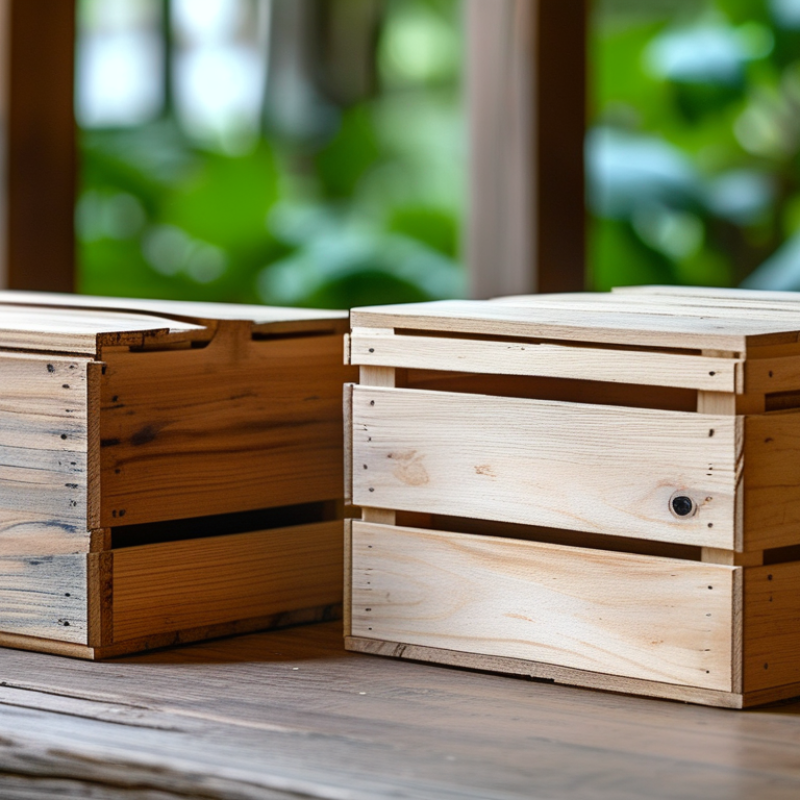
Wood has emerged as a compelling choice for packaging, driven by its sustainability credentials. This natural material is renewable, biodegradable, and often sourced from managed forests. When companies choose wood-based packaging, they support ecosystems while reducing reliance on plastic. This shift not only meets consumer demands for eco-friendly options but also aligns with environmental goals.


Understanding wood as a sustainable packaging material involves examining its life cycle. When a tree is harvested responsibly, it can grow back, absorbing carbon dioxide in the process. Wood packaging can also be reused, which extends its lifespan. However, it’s essential to consider the sourcing practices. Not all wood is created equal. Unsustainable logging practices can harm biodiversity and disrupt ecosystems. Companies must ensure they are sourcing wood from certified, sustainable sources.


The aesthetic appeal of wood also plays a role in its packaging success. Its warm tones and natural textures create a sense of authenticity. This can enhance the consumer experience, making products feel more genuine. But there are challenges as well. Wood can be heavier than other materials, which may increase shipping costs. Companies must balance aesthetics, cost, and sustainability when choosing packaging materials.

Environmental Benefits of Using Wood in Packaging Solutions

Wood has emerged as a sustainable choice for packaging solutions. It offers significant environmental benefits that many might overlook. One major advantage is its renewability. Wood is a natural resource that can be replenished through responsible forestry practices. This contrasts sharply with plastic, which takes centuries to decompose and adds to landfill issues.

Another key aspect is carbon sequestration. Trees absorb carbon dioxide as they grow, which helps mitigate climate change. When wood is used in packaging, it continues to store that carbon. This contributes to a lower carbon footprint compared to other materials. However, not all wood is created equal. Sourcing wood from certified, sustainable forests is crucial. Without this, the benefits can diminish quickly.

Moreover, wood packaging is biodegradable. It breaks down naturally, returning nutrients to the soil. This aligns with circular economy principles, fostering a more sustainable lifecycle. Yet, the reliance on wood raises questions about deforestation and habitat loss. Balancing demand with ecological responsibility is essential. Consumers must reflect on their choices to ensure they support truly sustainable practices.

Comparative Analysis: Wood vs. Plastic Packaging Impact

Wood packaging offers significant advantages over plastic in terms of sustainability and environmental impact. In a recent report by the Forest Stewardship Council, it was found that wood products can have a 75% lower carbon footprint compared to petroleum-based plastics. This is largely due to the carbon-sequestering properties of trees, which absorb CO2 during their growth. Additionally, wood is biodegradable. When it breaks down, it returns nutrients to the soil, unlike plastic, which can take hundreds of years to decompose.

However, there are challenges to consider. The sourcing of wood must be done responsibly to avoid deforestation and habitat destruction. The United Nations Food and Agriculture Organization notes that about 13 million hectares of forest are lost each year. This raises the question of the sustainability of wood packaging. Certification systems exist to ensure responsible sourcing. Still, they require monitoring and compliance.

On the other hand, plastic's convenience comes at a price. According to the National Geographic Society, over 90% of plastic is not recycled. This leads to massive amounts of waste in landfills and oceans. The environmental damage is evident, particularly in marine ecosystems. Choosing wood over plastic can be a step towards reducing this problem. However, awareness and informed choices around wood sourcing are equally important for achieving true sustainability.

Economic Advantages of Wood in Packaging Industries

Wood packaging is gaining popularity due to its economic advantages in various industries. According to the Food and Agriculture Organization, the global wood packaging market is expected to reach $57 billion by 2026. This growth is largely due to wood's renewability and strength. Wood offers superior protection for products while being lightweight, reducing shipping costs. Additionally, wood packaging can be recycled or repurposed, which aligns with current sustainability trends in consumer preferences.

Choosing wood can significantly lower costs over time. For example, studies show that wooden pallets can have a life span up to seven times longer than plastic ones. This durability translates to fewer replacements and lower overall spending. Moreover, wood is often sourced locally, which reduces transportation costs. According to the United Nations, using local resources helps stimulate local economies and reduce carbon emissions.

When considering wood packaging, think about its adaptability. Wooden containers can be customized in shape and size, fitting specific product needs. Before deciding, assess your supply chain and explore sustainable sourcing options. Integrating wood can enhance brand image, but it's important to ensure full compliance with environmental standards in your practices.

Innovations in Wood Packaging for a Greener Future

Wood packaging is becoming increasingly innovative. As industries seek greener solutions, wood offers unique properties that enhance sustainability. Its natural abundance makes it an ideal choice. New designs focus on light-weight structures that reduce material use. Moreover, with advancements in technology, wood can now be treated to extend its shelf life.

Recent innovations include biodegradable coatings to protect wood products. These coatings maintain durability while ensuring eco-friendliness. Research shows that modern manufacturing techniques allow for efficient use of resources. This helps lower waste and energy consumption. Companies are exploring ways to utilize reclaimed wood for packaging. This not only reduces demand for virgin timber but also supports recycling efforts.

However, challenges remain. Sourcing sustainable wood is crucial for genuine benefits. Some industries still struggle with certification processes. There is a need for more widespread awareness of sustainable practices. Fostering collaboration among manufacturers, suppliers, and environmental organizations can drive progress. By embracing these innovations thoughtfully, we can move towards a healthier planet.

en_USEnglish