What Are the Top Customer Experience Packaging Types?
Packaging is no longer a quiet container around a product. It is the customer’s first physical interaction with a brand. A torn mailer, soft tissue paper, or reusable box can shape that moment quickly. This is where customer experience packaging becomes strategically important.
Steve Jobs, a widely recognized product-experience leader, once said, “Packaging can be theater, it can create a story.” That idea remains relevant in modern fulfillment. Opening a subscription box should feel simple, not like solving a puzzle. A premium product may need textured paper, precise inserts, and a controlled reveal. An everyday shipment may benefit more from easy opening, compact materials, and clear return instructions.
The strongest packaging types usually serve different customer expectations. Subscription packaging builds anticipation. Sustainable packaging communicates responsibility. Protective packaging reduces disappointment. Branded unboxing packaging encourages memory and sharing. Accessible packaging helps more people use the product independently.
Small details matter.
Still, no format wins every time. Glossy finishes may impress some buyers but frustrate customers who value low waste. Extra inserts can feel thoughtful, yet they may become clutter. This guide examines the leading customer experience packaging types through practical design, usability, sustainability, and brand consistency. It also considers where popular ideas fall short.
Real experience should guide the choice. Test opening time, damage rates, disposal effort, and customer feedback. A beautiful package that arrives crushed is not a successful experience. Nor is an eco-friendly design that customers cannot open. The best approach connects visual appeal with reliable performance, while leaving room for honest improvement.
What Customer Experience Packaging Means and Why It Matters
Customer Experience Packaging: Meaning, Value, and Key Types
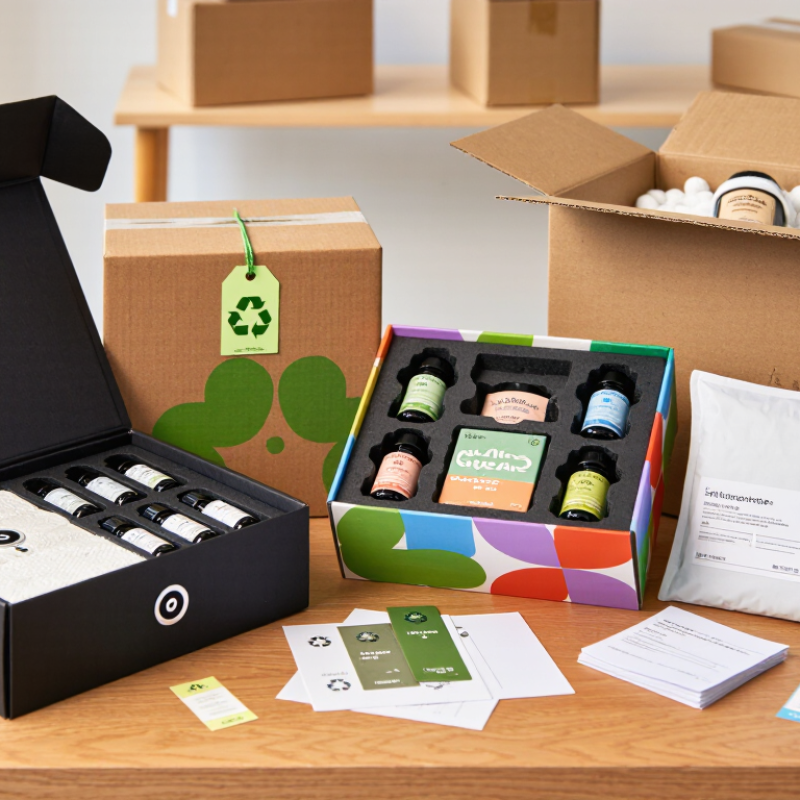
Customer experience packaging is the complete experience surrounding a product before use. It includes protection, opening effort, visual cues, materials, instructions, and disposal.
A strong package answers practical questions immediately: Where does it open? Is the product secure? What should the customer do next?
Matching Packaging to Customer Needs
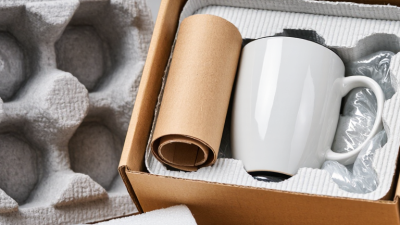
The best packaging types match specific customer needs. Protective packaging reduces damage during delivery, especially for fragile goods. Easy-open packaging helps customers with limited hand strength or mobility. Gift-ready packaging creates a more personal arrival, while reusable packaging can support repeat purchases. Minimal packaging may reduce waste, but it must still prevent dents, leaks, and contamination. A beautiful box that arrives crushed is still a poor experience.
Small details often shape trust. A clear pull tab, a readable label, and a clean interior can remove frustration within seconds.
Packaging teams should test opening time, drop resistance, storage space, and disposal instructions.
Real users should handle prototypes, not only internal staff. That matters because designers already understand the intended solution.
Packaging as a Brand Promise
Packaging also carries a brand’s promise without needing exaggerated claims. Honest material information builds credibility. Accessible instructions show care. Yet packaging cannot repair an unreliable product or a delayed delivery. It is only one part of the journey.
Some choices will be imperfect. Extra protective layers may feel wasteful, while lighter designs may increase damage. Customer feedback, return data, and careful observation can reveal that trade-off. The strongest approach keeps improving through evidence, not decoration alone.
How Packaging Types Shape the Customer Journey
Packaging is often the customer’s first physical contact with an online order. A sturdy mailer box can create confidence before the product appears. A flexible pouch feels lighter and may reduce storage frustration. Each choice shapes expectations differently.
During delivery, protective inserts matter more than decoration. They prevent movement, scratches, and disappointing damage. A clean opening experience also reduces confusion. Easy-tear strips, labeled compartments, and readable instructions help customers move naturally from arrival to use. Small details matter.
Rigid packaging can make a premium product feel deliberate, while recyclable paper packaging may communicate practical responsibility. Reusable containers can extend the relationship after the purchase, especially when customers find a second use for them. However, attractive packaging can become wasteful if it uses excessive layers. That is a real weakness, not a minor detail. Packaging teams should test the full journey: doorstep delivery, opening with one hand, product removal, storage, and disposal. Customer interviews and return data can reveal problems that design reviews miss. A box may look excellent in photographs yet feel awkward in a small apartment. It may also protect the product well but require scissors, creating unnecessary friction. The best packaging type is not universal. It depends on product fragility, delivery conditions, customer habits, and the emotional moment the package is meant to create.
Which Packaging Types Create the Strongest Customer Experiences
What Are the Top Customer Experience Packaging Types?
Which Packaging Types Create the Strongest Customer Experiences
The strongest customer experiences often begin with packaging that feels easy, thoughtful, and dependable. Right-sized boxes reduce movement during delivery and make opening less frustrating. A sturdy outer layer also protects products from dents, moisture, and rough handling. Customers notice that care before they inspect the item itself.
Reusable packaging can create a longer relationship with the customer. A fabric pouch, storage box, or return-ready mailer may serve a practical purpose after delivery. Clear opening instructions help too. Small details matter. Easy-tear strips, readable labels, and simple return steps remove unnecessary effort. In my experience, customers remember convenience more than decorative design.
Personalized packaging can feel meaningful when it remains useful and restrained. A short message, product-care card, or fitting guide may show attention without creating waste. However, personalization can fail when it uses excessive inserts or difficult materials. Not every result is perfect. Packaging teams should test opening time, damage rates, accessibility, and disposal habits with real users. A beautiful package may still disappoint if it requires scissors, creates excessive rubbish, or arrives damaged. Reliable packaging balances protection, usability, emotional value, and responsible material choices.
What Are the Top Customer Experience Packaging Types? - Which Packaging Types Create the Strongest Customer Experiences
Comparative assessment of common packaging formats based on usability, protection, sustainability, and unboxing experience.
Rating scale: 1 = low, 5 = high. Ratings are comparative evaluations of typical packaging formats; actual performance depends on design, materials, product weight, and local recycling infrastructure.
| Packaging Type |
Typical Customer Use |
Protection |
Opening Experience |
Convenience |
Sustainability Potential |
Reusability |
Overall CX |
Strongest Experience Driver |
| Corrugated Mailer Box |
E-commerce orders, apparel, household goods, and small electronics |
5/5 |
4/5 |
4/5 |
4/5 |
3/5 |
4.5/5 |
Reliable protection combined with a clean, easy-to-open presentation |
| Rigid Setup Box |
Premium gifts, cosmetics, accessories, and high-value products |
5/5 |
5/5 |
3/5 |
3/5 |
3/5 |
4.4/5 |
A premium tactile presentation that makes the product feel special |
| Folding Carton |
Retail products, food, personal care, and lightweight consumer goods |
3/5 |
4/5 |
4/5 |
4/5 |
2/5 |
4.0/5 |
Clear product communication and efficient shelf presentation |
| Molded Fiber Protective Packaging |
Fragile goods, electronics, bottles, and products requiring fitted cushioning |
4/5 |
3/5 |
3/5 |
5/5 |
2/5 |
4.0/5 |
Visible environmental responsibility without sacrificing product protection |
| Paper-Based Padded Mailer |
Soft goods, books, documents, and lightweight non-fragile items |
3/5 |
4/5 |
5/5 |
4/5 |
2/5 |
4.0/5 |
Lightweight construction, simple disposal, and fast opening |
| Reusable Shipping Bag |
Apparel, returns, subscription products, and repeat-delivery programs |
3/5 |
4/5 |
4/5 |
4/5 |
5/5 |
4.1/5 |
Convenient returns and continued usefulness after the first delivery |
| Flexible Stand-Up Pouch |
Dry food, personal care refills, powders, and lightweight consumables |
3/5 |
4/5 |
5/5 |
2/5 |
2/5 |
3.7/5 |
Low weight, resealability, and efficient storage in the home |
How Businesses Can Choose the Right Customer Experience Packaging
Choosing the right customer experience packaging starts with the delivery moment, not the warehouse shelf. A mailer box suits lightweight products and reduces handling steps. A rigid box feels premium, but adds material, storage, and shipping weight. Reusable packaging supports repeat orders when return logistics are simple. The choice should match product value, damage risk, customer expectations, and disposal habits.
The Future of Customer Experience report found that 73% of consumers consider CX important. It also reported that 32% would leave after one bad experience. Packaging is part of that risk.
Businesses should test three evidence points: opening effort, protection performance, and recovery experience. Watch a customer open the parcel with one hand. Measure crushed corners, excess void fill, and minutes spent removing tape. Then compare complaint rates and replacement costs across packaging formats.
The 2023 Global Buying Green Report found that 82% of consumers were willing to pay more for sustainable packaging. However, stated preferences can differ from real disposal behavior. No package is perfect. A beautiful box may still frustrate customers if it cannot fit household recycling systems.
Tips:
Match packaging strength to product risk.
Use clear opening instructions.
Test packaging with older customers and people with limited mobility.
Ask customers what they actually did with the packaging, not what they intended to do.
Review damage data every quarter.
Small packaging tests often reveal more than a large redesign.


 English
 Polski
 Čeština