Request a Quote
  • Affiliates

7 Tips for Choosing Molded Foam Packaging

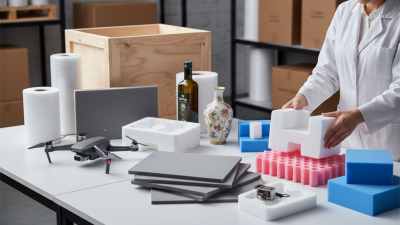
Molded foam packaging can protect a product beautifully—or add cost and bulk without solving the real shipping risk. The difference often comes down to fit, material, and testing. A glass component should sit securely in its cavity, with enough cushioning to absorb impact but no pressure concentrated on fragile edges. Small details matter.

Packaging educator Walter Soroka, author of Fundamentals of Packaging Technology, describes packaging as “the science, art, and technology of enclosing or protecting products for distribution, storage, sale, and use.” That principle applies directly to molded foam. Protection is only one part of the job. Weight, handling, storage space, and unpacking experience matter too. This guide presents seven practical tips for choosing a design that suits the product and its journey. It covers evaluating foam types, checking dimensions, considering environmental priorities, and asking suppliers useful questions. A sample dropped in a warehouse may behave differently from one tested in a laboratory. That gap deserves attention.

There is no perfect option for every shipment. A foam insert that works for one product may fail when dimensions or transit conditions change. Start with the product’s actual vulnerabilities, then test a representative pack before committing to a large order. It takes time. And it can reveal uncomfortable assumptions. These tips offer a grounded starting point, not a substitute for product-specific testing or informed supplier advice.

7 Tips for Choosing Molded Foam Packaging

Define the Product’s Protection and Shipping Requirements

Before choosing molded foam, define what the package must protect against. Record the product’s weight, dimensions, center of gravity, and fragile points, such as a glass screen or protruding connector. A heavy item may need support beneath its base, while delicate corners need room to absorb impact. Measure the product itself, not just the existing carton. Small differences matter. Note whether accessories travel inside the package; loose parts can shift and scratch finished surfaces.

Map the product’s real shipping journey. Will it travel by parcel, pallet, or both? Consider handling drops, vibration, stacking pressure, moisture, and temperature changes along the route. Ask the shipping team about common damage patterns, then test a packed sample under conditions that resemble actual handling. Check for cracks, compression, movement, and marks on the product. More foam is not always safer; excessive pressure can damage a delicate surface, while too little clearance leaves corners exposed. One estimate may be wrong. Review the trial shipment and adjust the protection requirements before finalizing the foam design.

Compare Molded Foam Materials and Manufacturing Methods

7 Tips for Choosing Molded Foam Packaging

Compare Molded Foam Materials and Manufacturing Methods

Molded pulp, expanded polystyrene (EPS), and polyethylene foam protect products in different ways. Pulp is formed from water-based fiber slurry, then pressed and dried; it suits shaped trays and paper-based recovery systems. EPS expands beads in a mold, creating light, rigid cushioning with good impact resistance. Polyethylene foam is often extruded into sheets before cutting or molding, offering a softer, reusable cushion. Test the actual part. Material names alone do not predict drop performance.

Tips: Check product weight; map fragile edges; compare wet-press and dry-press pulp; ask about foam density; test repeated drops; verify local recycling access; request samples from production tooling. Small details matter: a snug corner can prevent movement, while a thin rib may crack under stacking pressure.

Compare manufacturing costs as well as material costs. Pulp tooling can create complex shapes, but drying may affect cycle time and dimensional consistency. EPS molds can produce repeatable forms at volume; polyethylene processes allow flexible thickness and firmness. The U.S. EPA’s 2018 materials report found recycling rates of 80.9% for paper and paperboard packaging and 13.6% for plastic packaging. These are broad packaging categories, not rates for molded pulp or foam specifically. Local collection rules vary. A reasonable choice balances cushioning tests, production volume, moisture exposure, and end-of-life options—and sometimes the first prototype gets it wrong.

Evaluate Cushioning, Fit, and Packaging Design

Start with the product’s weight, fragility, and likely handling conditions. A glass component with a delicate rim needs different support from a dense metal part. Foam density alone does not predict protection; thickness, shape, and compression behavior matter too. Small gaps matter. Check where the item touches the cushioning, especially at corners, edges, and narrow protrusions.

A close fit should hold the product in place without forcing it into the foam. Too much pressure can stress a surface or make removal awkward. Too little can let the item shift during transit. A snug fit can look reassuring, but it is not always a win. Try a prototype, close the package, and gently rotate it. If the product moves, revise the cavity or add support where movement occurs.

Packaging design affects more than the foam insert. Consider how workers load the item, how the lid closes, and whether the package can be opened without pulling on fragile parts. Repeated handling can expose flaws that a desk check misses. Test representative samples with realistic drops and vibration, then inspect for scuffs, cracks, and compressed areas. One test is not enough. I would also note that prototypes rarely match every shipping route, so feedback from actual use may reveal details the design team overlooked.

7 Tips for Choosing Molded Foam Packaging - Evaluate Cushioning, Fit, and Packaging Design

Tip Evaluation Area What to Assess Practical Check Packaging Design Decision
1 Define the product’s protection needs Record the packed product’s weight, dimensions, fragile features, and likely handling risks. Different products can tolerate different levels of shock and vibration. Identify vulnerable areas such as glass components, corners, screens, or projecting parts. Use product requirements and distribution conditions to set protection goals. Place cushioning where it supports vulnerable areas without transferring pressure to delicate surfaces.
2 Match cushioning to the load Compare the product’s weight and contact area with the foam’s cushioning characteristics. Foam that is too soft may bottom out; foam that is too firm may transmit excessive force. Review supplier technical data, including density and compression or cushioning curves. Density alone does not determine cushioning performance. Select foam material and thickness based on the product load, available space, and required protection rather than appearance alone.
3 Design a secure, accurate fit Check the product’s actual dimensions, shape, tolerances, and any variation between units. Consider how the product is inserted and removed. Test a production-representative product in the cavity. Confirm it is retained securely and does not rock, rattle, or require excessive force to remove. Allow appropriate clearance and use locating features that hold the product without creating concentrated pressure points.
4 Protect against shock and vibration Consider the full distribution route, including handling, stacking, vehicle vibration, and potential drops. The outer carton and foam work together as a packaging system. Evaluate the complete packed configuration using applicable distribution-test procedures, such as relevant ASTM or ISTA methods. Use adequate cushioning distance and support surfaces, and verify that the product remains separated from the carton where needed.
5 Account for the operating environment Check exposure to temperature, humidity, moisture, dust, and static-sensitive components during storage and transport. Confirm material properties and any required moisture, cleanliness, or electrostatic-control performance with the supplier. Choose a foam material and packaging combination suited to the product and its environment; add a separate barrier or static-control layer when required.
6 Plan the complete packaging design Review the molded foam together with the carton, closures, assembly sequence, storage, shipping volume, and unpacking experience. Check that the foam fits the carton, parts assemble consistently, and the packed product can be handled without damaging or contaminating it. Coordinate foam geometry with carton dimensions and add practical features such as finger access, orientation cues, or a defined stacking arrangement.
7 Validate before production Confirm that the final material, molded shape, carton, and packing method perform as intended with the actual product. Build representative samples, inspect fit, and conduct suitable handling or distribution tests. Review results and revise the design if damage or movement occurs. Release the design only after the tested configuration matches the intended production materials and packing process.

Review Sustainability, Compliance, and Supplier Capabilities

When choosing molded foam packaging, review sustainability claims alongside real performance. Ask what the foam contains, including recycled content, and whether local facilities can process it after use. A recyclable material offers little benefit if customers have no practical way to recycle it. That detail matters.

Check compliance against the product, destination, and shipping conditions. Request current material declarations, relevant test reports, and traceability records rather than relying on a general “compliant” claim. Requirements can vary, so confirm them with qualified regulatory staff when the application is sensitive. Keep the documentation with the packaging specification.

Supplier capabilities deserve the same scrutiny. Request samples made to your actual dimensions, then check fit, cushioning, and ease of packing. Drop and compression tests can reveal whether corners crush or the product shifts in transit. Ask how the supplier controls dimensions between production runs, handles design changes, and manages peak demand. A lighter foam part may reduce material use, yet fail if it allows damage. Not every trade-off is tidy. Review test results and sample limitations before approving a design, and revisit them when the product or shipping route changes.

Compare Total Costs and Test Packaging Performance

Compare molded foam options by total cost, not unit price alone. A lower quote may require expensive tooling, extra warehouse space, or more assembly time. Include freight, packing labor, expected damage, and replacement costs in the same calculation. Small differences matter. Ask suppliers to clarify tooling ownership, order minimums, and how pricing changes with volume.

Then test the package with the actual product, not a convenient stand-in. Record its weight, orientation, and fragile contact points before testing. Use drop, vibration, and compression tests that reflect likely handling and stacking conditions. Add temperature or humidity exposure if the shipment may encounter those changes. Test the real route. A clean lab result can be reassuring, but it may not represent a crowded truck or rough transfer. It is easy to overvalue one successful drop.

Inspect the product and foam after each test. Look for cracks, crushed corners, shifting, scuffs, or loose debris, and note where each appeared. Repeat tests with several samples; one package can behave unusually well. Keep the results beside the cost estimate, including any redesign or retesting time. If the foam protects well but slows packing, that trade-off deserves attention too. The first comparison may miss something. Recheck it after real shipments provide damage and handling data.

en_USEnglish