Top Benefits of Foam Cushion Packaging for Safe Shipping Solutions?
In today’s competitive market, ensuring safe shipping solutions is paramount. Foam cushion packaging has emerged as a key player in protecting fragile items during transport. Industry expert Daniel Green, a packaging engineer, emphasizes that "the right cushioning material can make all the difference in reducing damage."
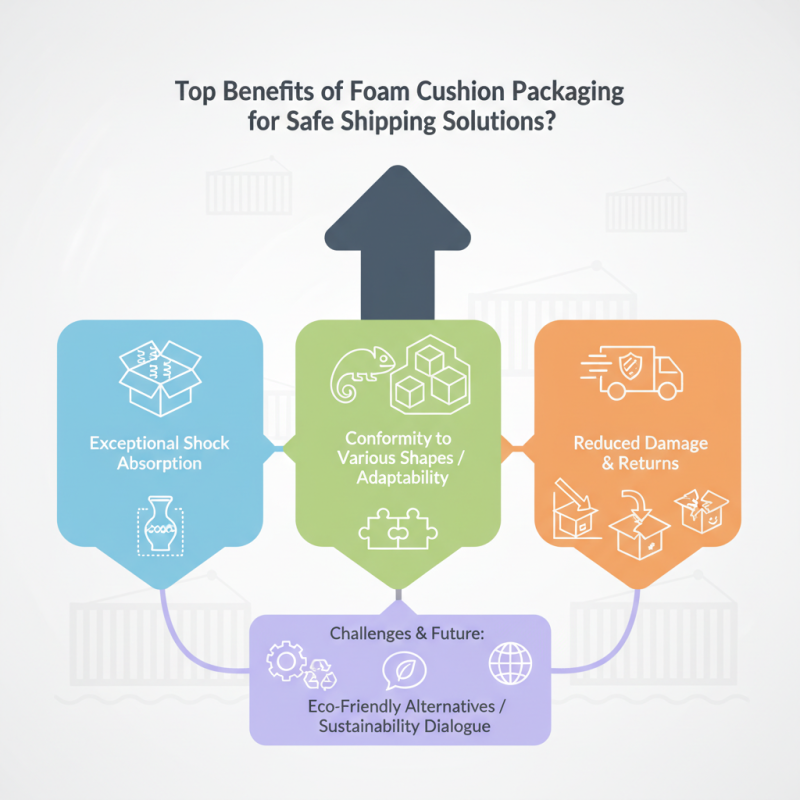
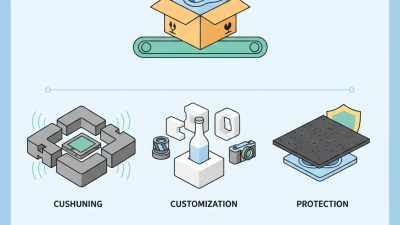
Foam cushion packaging offers exceptional shock absorption. This material conforms to various shapes, providing secure support for diverse products. Businesses that prioritize foam cushioning often report fewer returns due to damage. It’s not just effective; it’s adaptable. Companies can customize shapes and sizes to fit their specific needs.
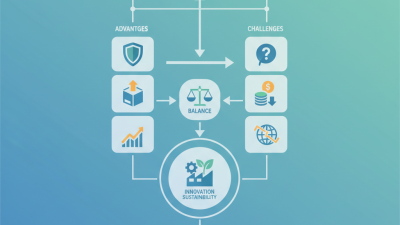
Yet, challenges exist. Not all foam cushion options are eco-friendly. The industry is evolving, and finding sustainable alternatives remains a work in progress. Many companies weigh the importance of protection versus environmental impact. This ongoing dialogue shapes the future of foam cushion packaging and its role in sustainable shipping solutions.
Top Benefits of Foam Cushion Packaging for Safe Shipping Solutions
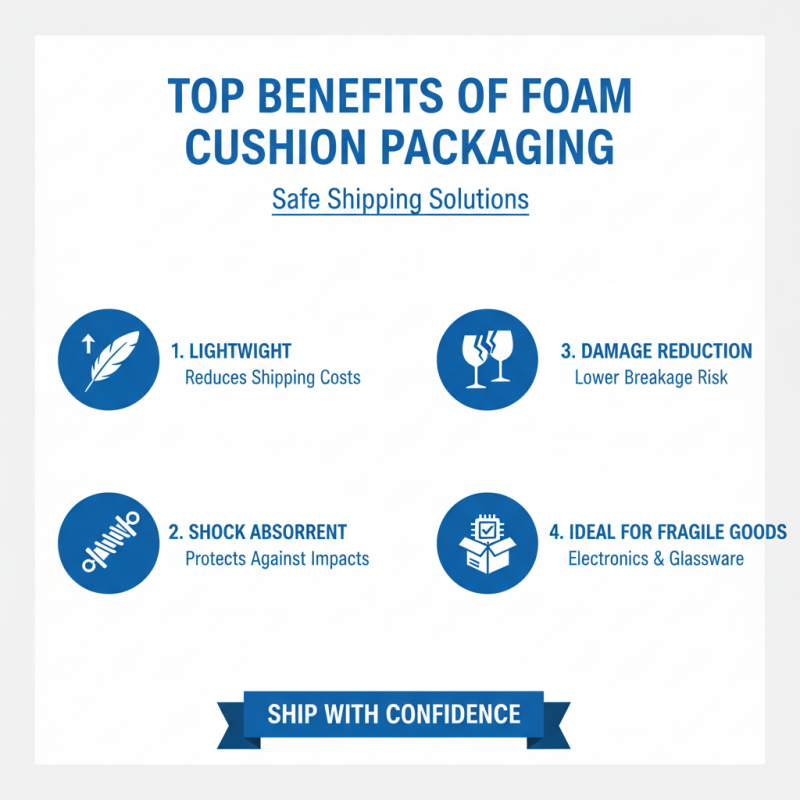
Foam cushion packaging offers significant advantages for safe shipping solutions. This material is lightweight yet durable. It absorbs shocks effectively, reducing the risk of damage during transport. Items packed in foam cushioning have a lower chance of breaking. This is particularly important for fragile goods like electronics and glassware.
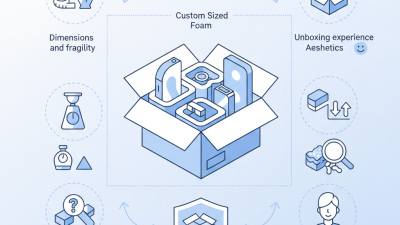
Using foam packaging also enhances the overall shipment experience. The snug fit of foam keeps products stable and secure. It prevents movement within the box, which is a common cause of damage. In addition, foam is versatile. It can be custom-molded to fit different shapes and sizes. This flexibility can reduce the need for excess materials, promoting sustainability.
However, it's essential to consider the environmental impact of foam materials. Many foam types are not biodegradable. Businesses may face challenges in finding eco-friendly options. Additionally, improper disposal may contribute to pollution. Reflecting on these factors allows companies to align with better practices in packaging. Seeking alternatives and improving sourcing methods can lead to safer and more responsible shipping solutions.
Enhanced Protection: Foam Cushion Packaging vs Traditional Methods
Foam cushion packaging stands out as a leader in protective shipping materials. In a recent analysis by the International Safe Transit Association, foam packaging reduces damage rates by up to 80%. Unlike traditional methods such as bubble wrap or paper, foam provides superior shock absorption. It conforms to product shapes, offering tailored protection.
One report from the Packaging Institute highlighted that over 29% of product returns stem from damage during shipping. This situation often points to inadequate packaging. Foam cushions mitigate this concern effectively, absorbing vibrations and impacts. Companies utilizing foam packaging have noted a significant drop in return rates and associated costs.
However, there are challenges. Foam can contribute to environmental waste. Focusing solely on protection without considering sustainability may lead to long-term issues. Businesses are encouraged to seek recyclable options or innovate in foam alternatives. While the protective benefits are clear, balancing them with eco-friendliness is crucial for future shipping solutions.
Top Benefits of Foam Cushion Packaging for Safe Shipping Solutions
| Benefit |
Foam Cushion Packaging |
Traditional Methods |
| Enhanced Shock Absorption |
Yes, provides superior shock resistance |
Limited shock protection |
| Lightweight Design |
Significantly lighter than alternatives |
Heavier materials increase shipping costs |
| Customization Options |
Easily customizable for various shapes |
Limited customization available |
| Recyclability |
Many types are recyclable |
Often non-recyclable and wasteful |
| Cost-effectiveness |
Cost-effective in the long run |
Higher long-term costs |
Cost-Effectiveness: Reducing Damage Claims and Replacement Costs
Foam cushion packaging is increasingly recognized for its role in safe shipping solutions. It offers significant cost-effectiveness by minimizing damage during transit. According to a report by the Packaging Institute, companies using foam packaging report a 30% reduction in damage claims compared to traditional packaging methods. This is crucial for maintaining profit margins in highly competitive markets.
The financial implications are striking. Replacement costs can soar due to damaged goods. Research indicates that businesses could save up to $15,000 annually by utilizing foam cushions. The lightweight nature of foam also contributes to savings on shipping costs. A lighter package incurs lower shipping fees.
Despite these benefits, some companies overlook the importance of selecting the right packaging materials. Not every foam option meets the necessary protective standards. Inadequate cushioning can lead to insufficient protection, ultimately increasing costs. Thoughtful evaluation and testing are essential to ensure that the choice made truly addresses the specific shipping needs.
Lightweight Design: Shipping Efficiency and Fuel Savings
Foam cushion packaging offers remarkable advantages for shipping. One key benefit is its lightweight design, which enhances shipping efficiency. This packing material is significantly lighter than traditional options like cardboard or wood. As a result, businesses can reduce their shipping costs and improve fuel savings during transit.
When considering packaging options, remember that weight directly impacts shipping rates. Lighter packages save fuel. This not only lowers expenses but also benefits the environment. Shipping companies are always looking for ways to stay cost-effective. Switching to foam cushioning can make a significant difference.
Tips: Assess your current packaging. Are you using excess materials that add unnecessary weight? Consider downsizing to meet your shipping needs. Test different foam solutions to find the best balance between protection and weight. It’s a continual learning process that requires adjustment and reflection. Efficient shipping can reshape your logistics strategy, improving customer satisfaction.
Versatility: Adapting Foam Packaging for Various Product Types
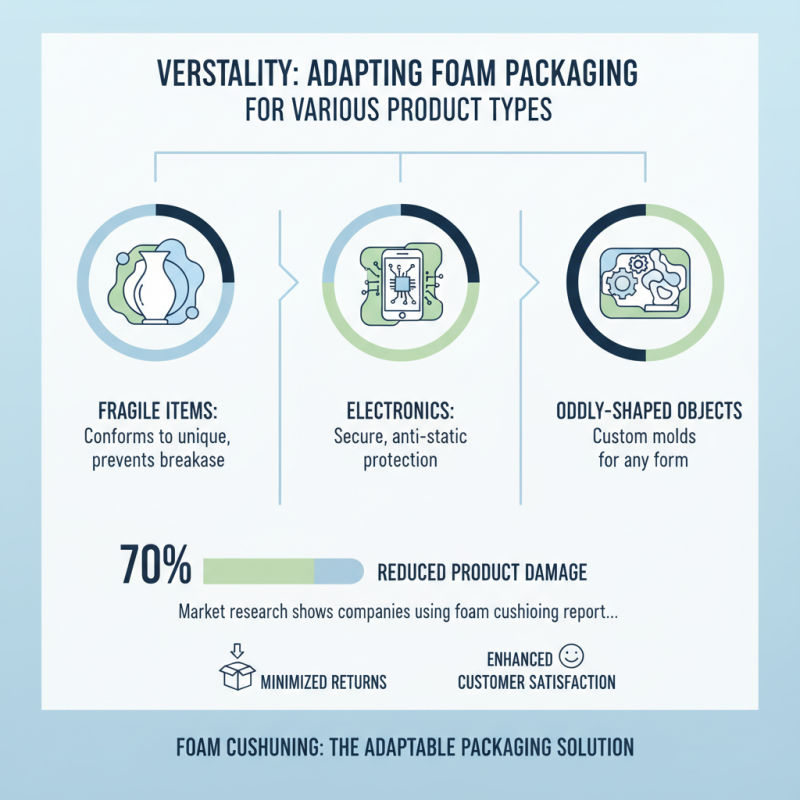
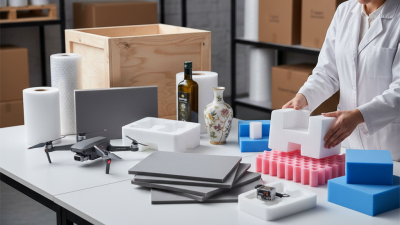
Foam cushion packaging offers exceptional adaptability for various product types. Its ability to conform to different shapes makes it ideal for fragile items, electronics, and oddly-shaped objects. According to market research, over 70% of companies using foam cushioning report reduced product damage during shipping. This is a significant advantage in minimizing returns and enhancing customer satisfaction.
For smaller items like jewelry or electronics, foam inserts can cradle products snugly. This prevents movement during transit, addressing a common shipping issue. Larger items benefit from foam blocks or sheets, offering stability without adding excessive weight. A report from the Institute of Packaging Professionals highlights that flexible packaging, like foam, can reduce shipping costs by up to 20%.
**Tips**: When selecting foam, consider the density and resilience appropriate for your products. Ensure your packaging aligns with industry standards for safe transport. Regularly review your packaging process for potential weaknesses, as improvements can lead to more efficient handling.
Adapting foam packaging requires ongoing evaluation. Not every solution works for all products. Testing different configurations helps find the ideal fit. Consider feedback from customers regarding packaging effectiveness. This can guide better choices in packaging materials and designs.
Conclusion
Foam cushion packaging offers numerous benefits for safe shipping solutions, making it a favored choice among businesses. One of the primary advantages is its enhanced protection compared to traditional packaging methods, as it effectively absorbs shocks and minimizes the risk of damage during transit. This leads to reduced damage claims and replacement costs, ultimately proving to be cost-effective for shippers.
Additionally, foam cushion packaging is lightweight, contributing to shipping efficiency and fuel savings. Its versatility allows it to adapt to various product types, catering to the unique shapes and sizes of items being shipped. Furthermore, the environmental impact of packaging is becoming increasingly important, and sustainable options in foam cushion packaging make it a responsible choice for companies looking to reduce their ecological footprint. Overall, foam cushion packaging stands out as a reliable and effective solution for safe shipping.



 English
 Polski
  Čeština