How to Test Packaging for Optimal Product Protection?
In the competitive world of product packaging, ensuring the safety of items is crucial. Experts emphasize the significance of "testing packaging" to guarantee optimal protection. Dr. Lisa Montgomery, a renowned packaging specialist, once said, "Effective packaging not only protects, but enhances the overall product experience."
Quality control in packaging begins with rigorous testing. Different materials behave differently under stress. Factors like temperature, pressure, and humidity all affect performance. Notably, not all tests yield perfect results. Occasionally, flaws can surface unexpectedly, urging us to rethink our strategies. Packaging designs must evolve alongside products, reflecting both innovation and caution.
Additionally, brands often face challenges in balancing cost and quality. A method that works for one product may not apply to another. This unpredictability calls for continuous research and adaptation. Each product is unique, demanding tailored testing methods. In this intricate landscape, the commitment to reliable testing practices is paramount. Only by embracing both successes and failures can companies truly enhance their packaging solutions.
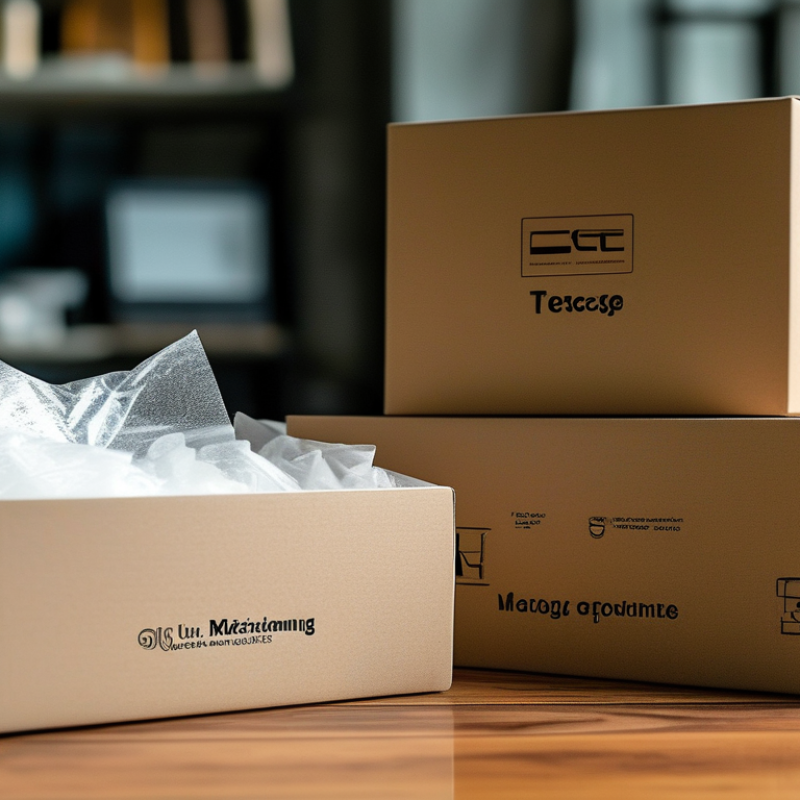
Understanding Packaging Protection Requirements
Protecting products during transit and storage is crucial. Research shows that approximately 50% of product damage occurs during shipping. This highlights the need for robust packaging strategies. Understanding the specific protection requirements of your products is essential for minimizing loss.
Different products have varied protection needs. For example, fragile items require cushioning and shock absorption. According to a report from the Packaging Technology Institute, using suitable materials can reduce damage by up to 40%. Testing your packaging against physical challenges can identify weak points. It’s wise to evaluate factors like vibration, compression, and temperature.
**Tips:** Using foam inserts can enhance protection for delicate items. Conduct drop tests to gauge resilience. It’s also beneficial to seek feedback from logistics partners regarding best practices. Regularly assessing packaging performance helps improve strategies over time. This iterative approach can lead to better outcomes in product protection.
Packaging Protection Testing Results
Identifying Common Risks and Vulnerabilities in Products
When it comes to packaging, understanding risks is vital. Different products face unique vulnerabilities during transit. Some items are sensitive to moisture, while others may break easily. Identifying these risks requires a careful examination of the product's nature and its journey.
Environmental factors can pose serious threats. Temperature fluctuations might warp or damage certain materials. Additionally, impacts during shipping can cause dents or breaks, even in seemingly sturdy packaging. Testing packaging under various conditions can reveal weaknesses that may not be immediately apparent. Using simulations and controlled stress tests helps highlight these vulnerabilities effectively.
Neglecting to address these issues can lead to significant financial losses and damage to a brand's reputation. Continuous monitoring and testing are crucial. Packaging that works well today may fail tomorrow. Balancing cost and protection remains a challenge. It's essential to prioritize product integrity while managing budget constraints. This process demands ongoing attention and a willingness to adapt.
Methods for Testing Packaging Durability and Strength
Packaging durability and strength are critical for protecting products during transit and storage. One effective method for testing is the drop test, where packages are dropped from various heights onto different surfaces. This simulates potential impacts during shipping. Observing the package's structural integrity after the drop provides insights into its protective capabilities. It's fascinating to see how different materials react under stress.
Another popular technique is compression testing. Here, packages are subjected to forces that mimic the pressure experienced in shipping containers. This helps assess how packaging withstands stacking and weight. During testing, you might note failures around the seams or weak points that need reinforcement. It highlights the importance of selecting the right materials and designs for packaging.
A less common yet effective test is vibration testing. Products may encounter vibrations during transit, impacting their safety. By placing packages on a vibration table, manufacturers can evaluate their performance under real-world shipping conditions. Sometimes, unexpected weaknesses emerge, urging a rethink of design choices. Engaging in these tests can lead to significant improvements, enhancing product safety while shipping.
How to Test Packaging for Optimal Product Protection? - Methods for Testing Packaging Durability and Strength
| Test Method |
Description |
Durability Indicator |
Strength Rating |
Ideal Application |
| Drop Test |
Simulates impacts from drops at various heights. |
High |
5/5 |
Fragile items |
| Compression Test |
Assesses the package's ability to withstand stacking pressure. |
Moderate |
4/5 |
Stacked storage |
| Vibration Test |
Simulates transport vibrations to assess packaging resilience. |
High |
4/5 |
Shipping |
| Environmental Testing |
Evaluates package performance under different temperature and humidity levels. |
Variable |
3/5 |
Outdoor storage |
| Seal Integrity Test |
Checks the effectiveness of seals in preventing contamination. |
High |
5/5 |
Food packaging |
Evaluating the Impact of Environmental Factors on Packaging
Environmental factors significantly impact packaging performance.
Temperature fluctuations, humidity levels, and even sunlight exposure can compromise product integrity.
For instance, a study by the Packaging Association found that products exposed to extreme temperatures lose 30% of their protective capabilities.
This can lead to increased damage during transit and shortened shelf life.
To effectively test packaging, it's crucial to simulate environmental conditions. Consider accelerated aging tests that replicate months of exposure in just days.
Monitoring these factors is vital. Not all materials respond the same way. Choosing the right packaging material can make a significant difference.
For example, moisture-sensitive products may require specialized moisture-resistant barriers.
Tips: Always keep a checklist for testing. Include temperature, humidity, and light exposure.
Use data logs to track conditions during shipping. Testing your packaging against these factors ensures it can withstand real-world environments.
Regularly review your testing strategy to adapt to new challenges. This iterative approach helps address gaps in current packaging solutions and ensures greater reliability.
Analyzing Test Results to Improve Packaging Design
Testing packaging for optimal product protection requires a thorough analysis of test results. When evaluating packaging, consider the materials, design, and overall structure. Each element plays a critical role in safeguarding products during shipping and handling. For instance, using drop tests can reveal how well a package withstands impacts.
Collecting data from these tests is essential. Documenting failures helps identify weaknesses in design. You might find that certain materials do not absorb shock effectively. This feedback can drive improvements in packaging choices. For example, if a package crumples easily, it signals a need for redesign.
Incorporating rigorous testing protocols can enhance reliability. Analyze every aspect, from seals to cushioning. Not every test will yield perfect results. When issues arise, take the time to reassess your approach. Embracing a mindset of continuous improvement is key to achieving optimal product protection. Each iteration brings you closer to a robust solution.







 English
 Polski
  Čeština