What is Full Service Packaging and How Can It Benefit You?
In today's competitive marketplace, businesses seek innovative solutions to stand out. Full service packaging has emerged as a strategic asset for many brands. This comprehensive approach provides end-to-end solutions, from design to distribution. According to a recent report by Smithers Pira, the global packaging market is projected to reach $1 trillion by 2024. Companies that invest in full service packaging often report increased efficiency and enhanced customer satisfaction.
The beauty of full service packaging lies in its holistic nature. It caters to varying needs, allowing brands to focus on core competencies while leaving packaging to experts. Research indicates that 72% of consumers are influenced by packaging design in their purchasing decisions. Thus, strong packaging can lead to greater sales and market penetration. However, the reliance on external providers can present challenges. Companies may struggle with communication or quality control.
Understanding the nuances of full service packaging is crucial. It can provide a significant edge in today’s fast-paced environment, but companies must remain vigilant. Balancing control and collaboration is necessary to optimize results. As businesses navigate these complexities, full service packaging offers a promising path forward.
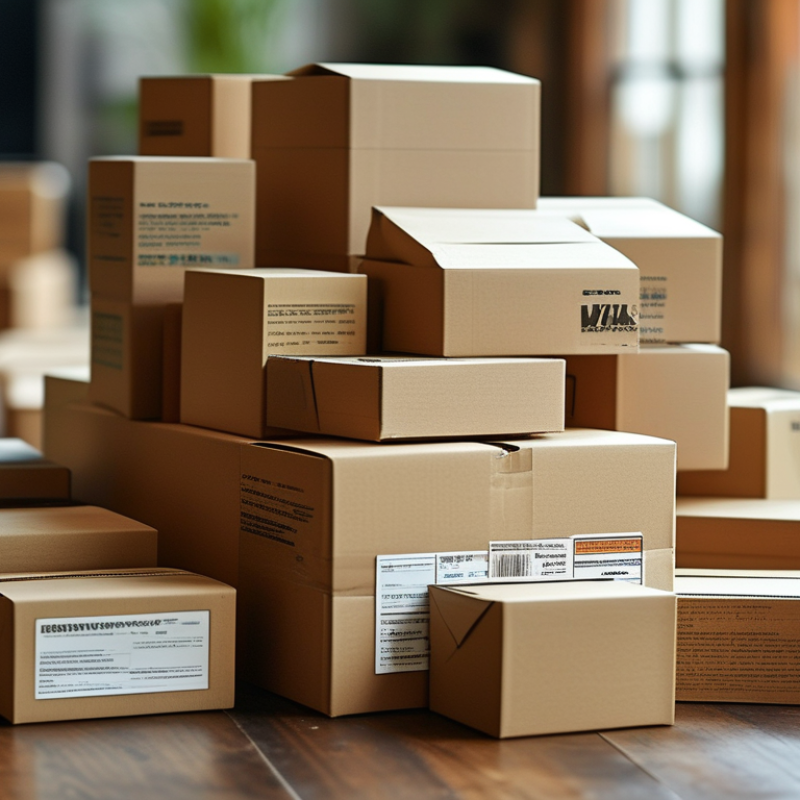
What is Full Service Packaging?
Full service packaging refers to a comprehensive approach that manages all aspects of product packaging. It covers design, material selection, manufacturing, and logistics. This service is intended to streamline the packaging process for businesses. Instead of juggling multiple suppliers and processes, companies can rely on a single partner to handle everything. This often results in better quality control, reduced costs, and improved efficiency.
Incorporating full service packaging allows for a creative design process. Specialists can offer insights into market trends and consumer preferences. They can assist in creating innovative packaging solutions that not only protect the product but also enhance its appeal. Often, this service can also lead to more sustainable packaging options, appealing to environmentally conscious consumers and reducing waste.
Be mindful when selecting a service provider. Not all companies offer the same level of expertise or quality. Research potential partners and review their past projects. Look for testimonials from other clients. Collaborate closely with your chosen provider to align your packaging with your brand's identity. Understanding your product's needs is crucial. Aim for functionality and aesthetics in equal measure.
Benefits of Full Service Packaging
This bar chart illustrates the various benefits of full service packaging, highlighting cost savings, improved efficiency, better branding, increased sales, and enhanced customer experience. Each benefit is represented as a percentage of overall feedback from users.
Key Components of Full Service Packaging Solutions
Full service packaging encompasses a variety of key components essential to successful product presentation. This approach includes design, printing, filling, and assembly. Each step is crucial for creating an appealing product package that attracts customers. Expert designers often collaborate with brands to ensure that visuals align with the product’s identity. Quality printing techniques make a significant difference in packaging appeal, enhancing shelf visibility.
Another important aspect is filling and assembly. High precision is necessary to maintain product integrity. Automated systems often support this process, but human oversight is still vital. Mistakes can occur, leading to product damage or mislabeling. Quality control processes must be stringent. Brands sometimes overlook this, which can result in costly errors.
Logistics also play a critical role in full service packaging. Efficient management of materials and distribution ensures that products reach consumers promptly. However, unforeseen delays can arise, impacting customer satisfaction. Continuous evaluation and improvement of these processes are essential. Brands must reflect on their packaging strategy regularly to adapt to changing market demands.
Benefits of Full Service Packaging for Businesses
Full service packaging offers various advantages for businesses looking to streamline operations. According to a report by Smithers Pira, companies that adopt full service packaging solutions report a 30% reduction in overall costs. This approach combines design, production, and logistics, enabling businesses to focus on other critical areas like marketing and sales. By outsourcing their packaging needs, companies can also benefit from enhanced innovation. Professional packaging providers often have access to cutting-edge technology and materials that may not be feasible for in-house production.
Another significant benefit is improved sustainability. A survey conducted by the Packaging Association found that 70% of consumers favor brands that prioritize eco-friendly packaging. Full service packaging partners typically specialize in sustainable practices, helping businesses meet consumer demand and regulatory requirements. These partnerships can lead to increased customer loyalty and trust. However, it’s essential to carefully select a provider who shares your values; not all may prioritize sustainability equally.
Moreover, full service packaging can boost time efficiency. A streamlined process can cut lead times by up to 25%, as reported by the National Association of Manufacturers. Nevertheless, it’s crucial to actively monitor the quality of the packaging. Some companies have reported inconsistencies when switching providers. Balancing quality and cost is vital for long-term success.
Comparing Full Service Packaging to Traditional Packaging Methods
When evaluating packaging solutions, it’s essential to consider the differences between full service packaging and traditional methods. Full service packaging offers an integrated approach. This means handling everything from design to fulfillment. Traditional methods often involve separate stages. Each stage can lead to inefficiencies and higher costs. According to a 2022 industry report, companies that adopt full service packaging see a 20% reduction in overall project timelines.
Moreover, the complexities in modern supply chains can be addressed effectively with full service packaging. Traditional methods often require multiple vendors. This complexity can result in communication breakdowns. In contrast, full service models centralize operations. This leads to improved collaboration and better responsiveness. A study from the Packaging Association highlighted that about 30% of companies reported improved product quality when transitioning to full service options.
However, not every company may find full service solutions ideal. Some still prefer traditional packaging due to cost concerns. A thorough assessment of needs is crucial. This highlights the significance of flexibility in choosing a packaging method. In doing so, businesses can make informed decisions that align with their branding and operational strategies.
Choosing the Right Full Service Packaging Provider for Your Needs
Choosing the right full-service packaging provider is crucial for businesses. A good provider understands your unique needs. They offer tailored solutions, ensuring your product stands out. Look for a partner that values your vision and offers flexibility in their services.
Experience matters. A provider with a strong track record brings expertise to the table. They should be able to showcase past projects and client success stories. Additionally, consider their industry knowledge. A provider that knows your specific market can craft packaging that resonates with your target audience.
Not all providers are equal. Some may prioritize speed over quality, leading to potential pitfalls. Inspect their quality assurance processes. Ensure they use top-of-the-line materials and sustainable practices. Communication is key; your provider should be approachable and responsive. Trust your instincts when selecting a partner who aligns with your brand values.





 English
 Polski
  Čeština