Top 10 Full Service Packaging Companies in China?
In recent years, the demand for full service packaging solutions has surged in China. Businesses are looking for companies that can handle everything from design to logistics. Full service packaging providers offer a comprehensive range of services, reducing the hassle for clients. This method streamlines operations and enhances product presentation.
China is home to many leading packaging companies. These firms specialize in various sectors, including food, cosmetics, and electronics. Their expertise lies in creating durable packaging that meets international standards. Furthermore, these companies often focus on sustainability, using eco-friendly materials.
While the market is competitive, choosing the right partner is crucial. Not all companies deliver the same quality or innovation. It’s essential to evaluate their experience and client reviews. With the right choice, businesses can significantly improve their product appeal and overall logistics efficiency.
Overview of Full-Service Packaging Industry in China
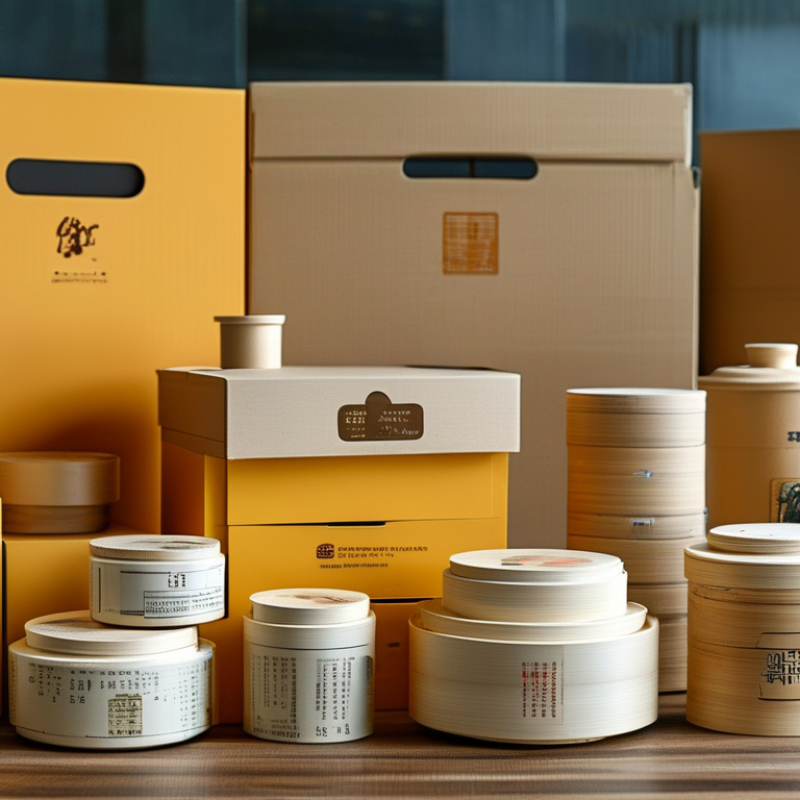
The full-service packaging industry in China has witnessed significant growth in recent years. In 2022, the market was valued at approximately $38 billion, showing a compound annual growth rate (CAGR) of around 5%. This growth can be attributed to the rising demand from various sectors, including food, pharmaceuticals, and consumer goods. Many industries require efficient packaging solutions that ensure product safety and enhance brand visibility.
Innovation plays a crucial role in this sector. Companies are increasingly adopting smart packaging technologies. These include QR codes and humidity control features, which meet the needs of modern consumers. Additionally, eco-friendly packaging materials are becoming more popular. Reports indicate that over 30% of consumers prefer sustainable options, influencing many firms to adjust their strategies.
Challenges remain, such as regulatory compliance and supply chain disruptions. Many businesses struggle with adapting to changing regulations around environmental standards. The need for qualified personnel in this field also persists. Training and development programs are essential for maintaining quality and safety in packaging operations. As the industry evolves, organizations must rethink their approaches to meet new challenges effectively.
Key Metrics and Growth Rates of China's Packaging Market
China's packaging market is growing rapidly. The industry has seen a rise in demand, driven by e-commerce and consumer goods sectors. Key metrics indicate that the market is expected to expand at a healthy rate over the next few years. Factors like urbanization and increased disposable income drive this growth.
Tips: Always analyze current trends in packaging. Look for sustainable options. Brands are increasingly adopting eco-friendly practices to appeal to consumers. Using recyclable materials can reduce waste.
Despite the growth, challenges exist. Companies struggle with supply chain disruptions and increasing costs. Finding reliable suppliers can be difficult. Streamlining operations is essential to cope with these issues. Regular market analysis can help identify potential setbacks early on.
Tips: Building strong supplier relations is crucial. Communication is key. Regular reviews of contracts can prevent misunderstandings. Establishing contingency plans can also bolster resilience in times of crisis.
Top 10 Full Service Packaging Companies in China
| Ranking |
Market Share (%) |
Annual Revenue (Million USD) |
Growth Rate (%) |
Founded Year |
| 1 |
25.5 |
1200 |
10 |
2005 |
| 2 |
20.3 |
950 |
8 |
2010 |
| 3 |
18.8 |
800 |
12 |
2000 |
| 4 |
15.5 |
700 |
9 |
2012 |
| 5 |
12.1 |
600 |
6 |
2008 |
| 6 |
10.7 |
500 |
7 |
2015 |
| 7 |
8.9 |
450 |
5 |
2017 |
| 8 |
7.2 |
400 |
11 |
2013 |
| 9 |
5.6 |
300 |
4 |
2018 |
| 10 |
4.4 |
250 |
3 |
2020 |
Leading Companies: Market Share Analysis and Rankings
The packaging industry in China is rapidly evolving. Companies are adopting innovative strategies to enhance their market presence. While some firms excel in sustainability, others focus on technology integration. This diversity leads to varied market shares across the board.
Understanding market dynamics is crucial. Some companies dominate with cutting-edge designs. They offer customizable solutions tailored to client needs. However, not all firms keep pace with changing consumer preferences. There is still room for growth and improvement in efficiency and customer engagement.
Competitors must analyze their strengths and weaknesses. Continuous evaluation is necessary. Companies should invest in training their workforce and upgrading technology. Amidst competition, staying stagnant is not an option. The landscape demands adaptability and foresight to remain relevant.
Innovative Packaging Solutions and Technology Trends
The packaging industry in China is undergoing rapid transformation. With an estimated market value exceeding $200 billion, innovative solutions are paramount. Companies are focused on sustainability, automation, and smart packaging technologies. Recent studies indicate that eco-friendly packaging materials are projected to grow at a compound annual growth rate (CAGR) of 5.8% through 2027.
Smart packaging is also gaining traction. According to a report by Smithers Pira, the smart packaging sector is expected to reach $42 billion by 2024. This includes technology such as QR codes and RFID tags that provide real-time data. Increasing consumer demand for transparency drives this trend. Yet, integrating such technologies can be challenging. Companies must continuously adapt to consumer preferences and technological advancements.
Consumer expectations are evolving, pushing companies to innovate continually. Many businesses face the pressure to balance cost and sustainability. Packaging failures can lead to wasted products and damage brand reputation. Thus, companies must invest in R&D and workforce training. Embracing these challenges is critical for establishing long-term success in the competitive landscape.
Top 10 Full Service Packaging Companies in China - Market Share Distribution
Sustainability Practices in Chinese Packaging Companies
Sustainability in the packaging industry is gaining momentum globally, and China is no exception. Many firms are stepping up their game in adopting eco-friendly practices. They focus on using biodegradable materials and reducing waste. This shift is not only beneficial for the environment but also aligns with consumer demand for greener products.
A common practice among these companies is to assess their supply chains. They aim to minimize carbon footprints. Some are investing in renewable energy sources for their production processes. Others are exploring innovative packaging designs that require less material. However, progress can be slow, and some firms struggle with full implementation. There’s a noticeable gap between intention and action.
Despite advancements, challenges remain in achieving true sustainability. Many companies find it difficult to source sustainable materials due to cost or availability. This inconsistency can undermine their green promises. Ongoing education about sustainable practices for employees is also crucial. There’s still much work to be done in cultivating a culture of sustainability throughout the industry.







 English
 Polski
  Čeština