What is Clean Room Packaging Benefits and Importance?
Clean room packaging plays a vital role in various industries, including pharmaceuticals and electronics. It ensures that products remain free from contaminants. This specialized packaging method creates a controlled environment. By minimizing particles and microbes, such environments protect sensitive items.
When items are packaged in clean rooms, they undergo stringent protocols. Staff must wear protective clothing to prevent contamination. The materials used for clean room packaging are designed to maintain cleanliness. This attention to detail is crucial for products that require strict hygiene standards.
However, maintaining a clean room for packaging can be challenging. Equipment must be regularly sanitized, and airflow monitored. Any lapse in cleanliness can lead to product defects. Despite these challenges, the importance of clean room packaging cannot be overstated. It is essential for ensuring product integrity and reliability in sensitive applications. Companies must constantly evaluate their processes for improvement. This focus on precision leads to better outcomes in the long run.
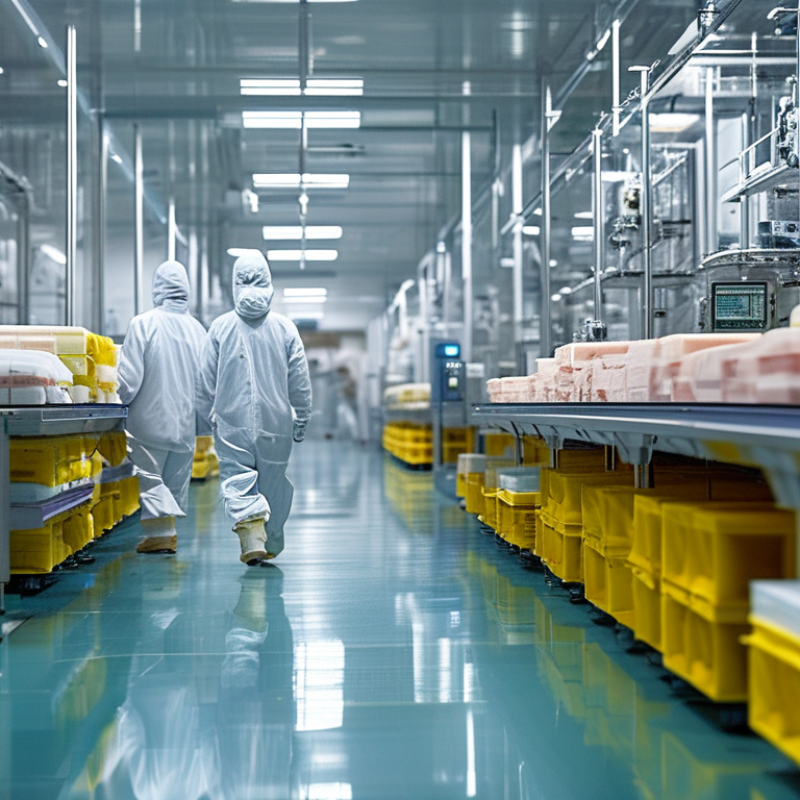
Benefits of Clean Room Packaging in Pharmaceutical Manufacturing
Clean room packaging plays a crucial role in pharmaceutical manufacturing. By controlling environmental factors, it minimizes contamination risks. According to the International Society for Pharmaceutical Engineering (ISPE), up to 30% of pharmaceutical recalls are linked to contamination. This statistic highlights the importance of clean room environments. Proper packaging ensures that products meet stringent safety and efficacy standards, leading to better patient outcomes and trust.
Implementing clean room packaging can significantly enhance production efficiency. A report from the FDA indicates that companies using clean water standards experience fewer production disruptions. This approach allows manufacturers to maintain a consistent workflow, reducing costs related to recalls and wastage. Cleanroom environments also prolong product shelf life. This benefit resonates with manufacturers who want to optimize resources while ensuring quality.
Maintain strict hygiene protocols in cleanroom areas. Regular monitoring of particulate levels is essential. Ensure that all personnel wear appropriate attire to minimize contamination. Limit access to authorized individuals only. Regular training sessions for staff can also ensure compliance with best practices. Be vigilant about equipment sterilization to avoid lapses. These actions underpin the significant benefits of adopting clean room packaging in pharmaceutical manufacturing.
Impact of Clean Room Packaging on Product Quality and Safety Standards
Clean room packaging plays a vital role in industries where contamination can compromise product integrity. This method involves creating a controlled environment to minimize airborne particulates and microorganisms. By utilizing specialized materials and techniques, clean room packaging protects sensitive items, ensuring they remain uncontaminated.
The importance of this packaging extends to product quality and safety standards. For pharmaceuticals and medical devices, maintaining sterility is crucial. A breach can lead to ineffective products or health risks. Clean room packaging mitigates these risks by providing a barrier against environmental hazards. Moreover, it adheres to strict regulatory guidelines, enhancing consumer trust in products.
While clean room packaging is beneficial, it is not without challenges. The costs associated with establishing and maintaining clean rooms can be significant. Additionally, there may be a learning curve for staff. They must understand the requirements of operating in these specialized environments. Continuous training is necessary to ensure compliance and effectiveness. Balancing these factors is essential for companies aiming to uphold high product standards.
Cost Analysis: Clean Room Packaging vs. Traditional Packaging Methods
Clean room packaging offers significant advantages over traditional methods. One key benefit is reducing contamination risks. In environments where sterility is crucial, clean rooms provide controlled air quality. This minimizes particulates and microbial presence. As a result, products remain safe and effective. Costs associated with contamination failures can outweigh initial savings from cheaper packaging methods.
Cost analysis shows that while clean room packaging may require a higher upfront investment, the long-term savings are substantial. For example, many organizations face fines and loss of reputation due to product recalls. Investing in clean room standards can prevent such costly outcomes. Traditional packaging methods might seem economical, but the hidden costs can accumulate quickly.
When considering packaging options, understand the importance of regulatory compliance. Failing to meet standards can lead to delays and additional expenses. Choosing clean room packaging can simplify this aspect. A well-designed process ensures product integrity and adherence to regulations. Evaluate your operational needs before deciding on a method of packaging. Reflect on your current practices and explore the potential for improvement.
Regulatory Compliance and its Role in Clean Room Packaging Standards
Regulatory compliance is vital in clean room packaging. It ensures that products meet stringent health and safety standards. These standards are critical in industries like pharmaceuticals and biotechnology. Non-compliance can result in costly recalls or legal issues. The consequences are severe when products are contaminated.
Clean room packaging must adhere to regulations concerning materials and processes. Packaging materials should be non-reactive and free from particulates. Each step in the packaging process should be documented. Regular audits help maintain compliance. These measures enhance the reliability of the products.
Achieving compliance is not easy. Many companies struggle with maintaining clean environments. Frequent training is necessary for staff. Monitoring systems must be in place to track air quality and contamination levels. A lapse in these areas can compromise the entire operation. It raises questions about the effectiveness of current practices. Continuous evaluation is necessary to adapt to new regulations.
Innovations in Clean Room Packaging Technologies for Enhanced Sterility
Clean room packaging plays a crucial role in industries such as pharmaceuticals and electronics. Recent innovations in clean room packaging technologies have significantly enhanced sterility and product safety. According to a market report by Grand View Research, the cleanroom technology market is projected to reach $5.2 billion by 2027, growing at a CAGR of 6.5%. This indicates a solid demand for systems ensuring contamination-free environments.
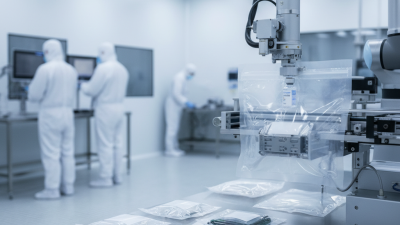
Advanced materials are being integrated into clean room packaging. For example, the introduction of antimicrobial films has emerged as a game-changer. These films can reduce microbial growth on surfaces, providing additional safety in sensitive environments. Furthermore, the use of automation in packaging processes increases efficiency while minimizing human intervention. This reduces error rates and improves sterility outcomes.
When implementing clean room packaging, it is essential to monitor environmental controls. Regular audits and testing are key to maintaining sterility. Workers should receive training to understand contamination risks. Simple actions, such as proper gowning procedures, can significantly impact overall cleanliness. Recognizing the importance of these details is vital for success in clean room operations.






 English
 Polski
  Čeština