How to Create Custom Brand Packaging That Stands Out?
Creating custom brand packaging is essential in today's competitive market. According to a recent report from Packaging Strategies, 72% of consumers say that packaging influences their purchase decisions. In such a landscape, effective custom brand packaging can not only enhance brand recognition but also drive sales.
Industry expert Jane Smith, a renowned packaging strategist, states, “The right packaging tells your brand's story and connects emotionally with customers.” This insight highlights the importance of innovation and creativity in packaging design. Brands must think beyond traditional approaches. Many struggle with the balance between aesthetics and functionality.
Moreover, research shows that 66% of consumers prefer to buy from brands that demonstrate sustainability in their packaging. This presents an opportunity for brands to differentiate themselves through eco-friendly solutions. However, crafting the perfect custom brand packaging is not always straightforward. It's a process that requires constant iteration and customer feedback. Brands must be willing to embrace imperfections and learn from the market to enhance their packaging strategies.
Understanding the Importance of Custom Brand Packaging
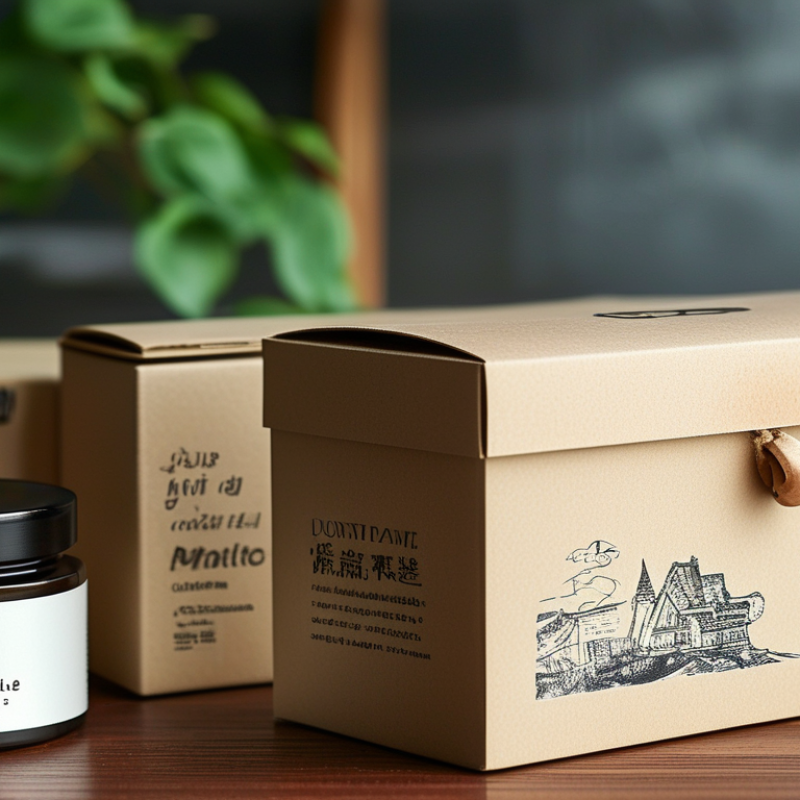
Custom brand packaging plays a vital role in today's competitive market. It goes beyond mere aesthetics; it is about creating a memorable experience. Packaging acts as the first touchpoint between a brand and its customers. Stunning visuals can capture attention, but functional design ensures the product arrives safely. A well-thought-out box can tell a story, reflecting the brand’s values and mission.
Understanding the importance of custom packaging requires acknowledging its impact on consumer perception. A sleek, eco-friendly package can enhance brand reputation. Customers may feel more connected to a brand that prioritizes sustainability. However, it's crucial to strike a balance. Overly elaborate designs may confuse rather than attract. Efficiency should not be sacrificed for creativity alone. Simple, clean designs often resonate more than complex ones.
Reflecting on packaging strategies is essential. Analytics can provide insights into customer preferences. Regularly revisiting packaging choices can prevent stagnation. Engaging with customer feedback can reveal what works and what doesn't. It's about finding the sweet spot between innovation and practicality. Each packaging decision should foster brand loyalty while making a positive impression.
Identifying Your Brand's Unique Value Proposition
Creating custom brand packaging that stands out begins with identifying your brand's unique value proposition (UVP). A strong UVP clearly communicates what sets your brand apart from competitors. Research indicates that 64% of consumers cite shared values as the primary reason they have a relationship with a brand. Thus, defining these values is crucial in creating impactful packaging.
Once you’ve identified your UVP, consider how it translates visually. The right colors, fonts, and materials can convey your brand's essence. A survey by Deloitte found that 77% of consumers make purchases based on a brand’s packaging alone. This highlights the importance of packaging design. It should resonate with your audience while reflecting your brand’s identity. However, many brands struggle to align their packaging with their UVP. They may focus too heavily on aesthetics and neglect messaging that connects.
Consumer feedback is vital for refining your packaging strategy. Engaging with your audience through surveys or social media can yield insights. According to a study by McKinsey, brands that actively gather consumer feedback see a 25% increase in loyalty. This demonstrates that packaging shouldn’t just be visually appealing; it must also resonate emotionally. Regularly reassess your packaging to ensure it remains aligned with your evolving UVP and consumer preferences.
How to Create Custom Brand Packaging That Stands Out? - Identifying Your Brand's Unique Value Proposition
| Aspect |
Details |
Benefits |
| Material Selection |
Eco-friendly materials, unique textures |
Enhances brand image, attracts eco-conscious consumers |
| Color Psychology |
Strategic color choices based on emotions |
Influences consumer perceptions and behavior |
| Brand Story |
Narrative behind the brand and its values |
Creates emotional connection, encourages loyalty |
| Shape and Structure |
Unique shapes and innovative structure |
Differentiates product on shelves, enhances usability |
| Messaging |
Clear, concise, and engaging messaging |
Communicates value proposition effectively |
Designing Eye-Catching Visual Elements for Packaging
Creating distinctive brand packaging requires a keen eye for design. Visual elements play a crucial role in attracting customers. According to a study by the Packaging Innovation Council, 72% of consumers say packaging design influences their buying decisions. Eye-catching visuals can elevate an ordinary product to one that stands out on crowded shelves.
Colors evoke emotions. For instance, warm colors like red and orange can create urgency, while cool colors like blue and green convey trustworthiness. Fonts also matter; they should be readable and reflect your brand’s personality. Research suggests that 60% of consumers prefer simple designs over overly complex ones. Striking a balance between aesthetics and practicality is vital.
Consider experimenting with textures and finishes. Matte, glossy, or embossed can enhance the tactile experience. However, not all designs succeed. Sometimes, excessive creativity can confuse customers or dilute brand recognition. Reflecting on customer feedback is essential for refining packaging.
Use storytelling in your packaging. A simple narrative can engage customers and make your brand memorable. Create packaging that not only appeals visually but resonates emotionally. Overall, be prepared to adapt and refine your approach, as the market is always changing.
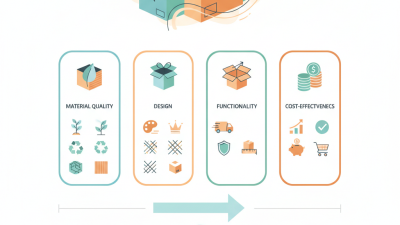
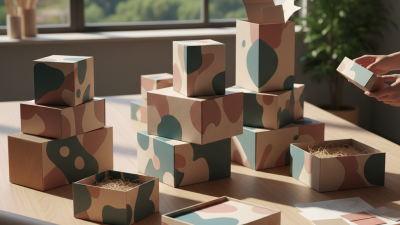
Custom Brand Packaging Design Analysis
Choosing Sustainable Materials for Custom Packaging
Choosing sustainable materials for custom packaging is essential for brand identity. Eco-friendly options resonate with consumers. They reflect values of responsibility and commitment to the planet. Recycled paper, biodegradable plastics, and plant-based inks are popular choices. These materials create a strong impression while minimizing environmental impact.
It's important to consider the source of materials. Local suppliers often provide sustainable options. This not only reduces carbon footprint but supports the community. However, some sustainable materials may not be as durable. This can lead to challenges during transportation and storage. Brands must test their packaging thoroughly to ensure it meets both aesthetic and functional needs.
Transparency is crucial in sustainable packaging. Communicating the benefits to consumers builds trust. However, not all customers understand the complexities of sustainable materials. This presents an opportunity for brands to educate their audience. Visual storytelling can help bridge the gap. Highlighting the lifecycle of packaging materials engages consumers and fosters loyalty.
Testing and Evaluating Packaging Designs Before Launch
In the realm of packaging design, testing is crucial. A survey by Packaging Strategies found that 72% of consumers believe packaging influences their purchase decisions. This underscores the need for effective pre-launch evaluations. Conducting focus groups can provide valuable insights. Engaging potential customers helps identify what resonates with your target audience.
Additionally, A/B testing offers a tangible way to assess different designs. This method can reveal how variations in color, typography, and layout affect consumer attraction. According to a recent report by Nielsen, products with distinctive packaging see a 25% increase in retail sales. Such data emphasizes the impact of thoughtful design.
However, it’s important to embrace imperfections during development. Feedback can often highlight areas for improvement. Designers must remain open to criticism, reflecting on consumer insights and making necessary adjustments. It’s a continuous process of iteration. Real success lies in understanding that the first design may not be the best. Always strive for something that connects deeply with your audience.




 English
 Polski
  Čeština