2026 Best Fiber Molded Packaging Solutions for Global Buyers?
In the evolving landscape of sustainable packaging, fiber molded packaging has emerged as a leading solution. According to a recent report by Research and Markets, the global fiber molded packaging market is projected to grow significantly, driven by environmental concerns and consumer demand for eco-friendly alternatives. The versatility of fiber molded packaging makes it suitable for various industries, enhancing its appeal among global buyers.
Despite its advantages, challenges remain. The manufacturing process requires precision and consistency, which can strain production capabilities. Additionally, sourcing high-quality raw materials poses hurdles. A study by Smithers Pira indicates that while fiber molded packaging offers a competitive edge, companies must ensure they meet strict sustainability standards. This complexity highlights the need for informed decision-making in selecting reliable suppliers.
As businesses increasingly prioritize sustainability, understanding the nuances of fiber molded packaging becomes essential. Buyers should critically evaluate their options. It’s not just about choosing a product; it's about aligning with responsible practices. Continuous improvement and innovation are pivotal. The future of packaging lies in balancing efficiency with environmental responsibility.
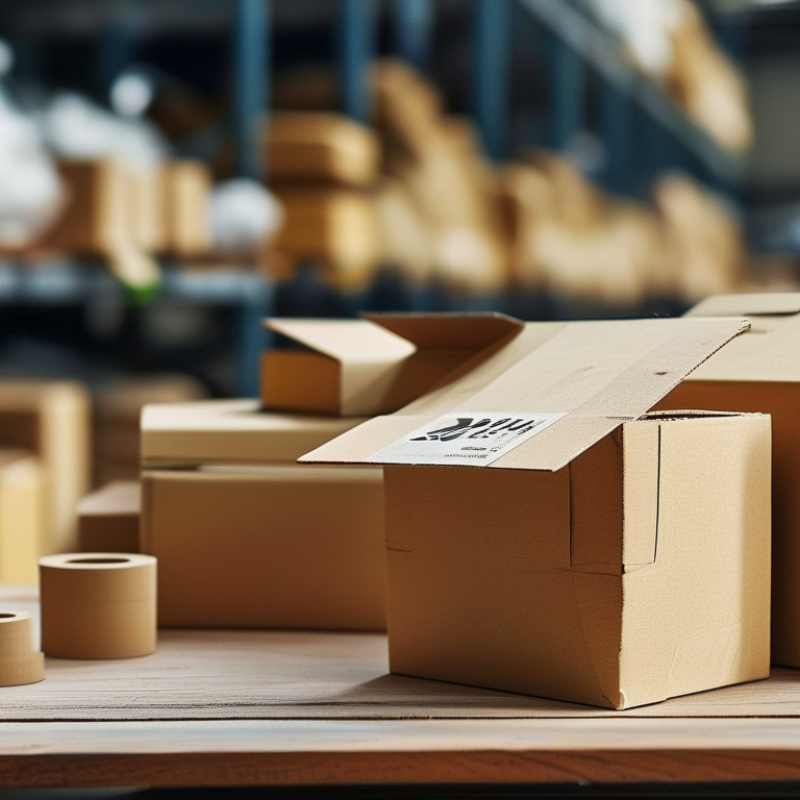
Overview of Fiber Molded Packaging Solutions in 2026
As we look ahead to 2026, the fiber molded packaging industry is set to undergo significant transformations. This eco-friendly packaging solution offers substantial advantages over traditional materials. According to industry reports, the global market for fiber molded packaging is expected to reach $15 billion by 2026, reflecting a growing preference for sustainable practices. Fiber molded materials are made from recycled paper products, which reduces waste and conserves resources.
The versatility of fiber molded packaging is noteworthy. It can be custom-designed to fit various product shapes, from electronics to food items. However, the production process needs refinement. While fiber molded packaging is recyclable, not all facilities accept it, which remains a challenge for manufacturers and consumers alike. The fluctuating quality of raw materials can also impact the final product's integrity. This inconsistency highlights the need for stringent quality control in the production phase.
Moreover, consumer awareness is rising about sustainable choices. In a recent survey, over 70% of respondents stated they prefer brands that use eco-friendly packaging. Yet, the transition to fiber molded packaging is gradual. Companies must invest in research and development to improve production efficiencies. Understanding these dynamics is crucial for global buyers who seek reliable fiber molded packaging solutions in the coming years.
Key Features and Benefits of Fiber Molded Packaging
Fiber molded packaging is becoming increasingly popular among global buyers due to its environmental benefits and versatility. This type of packaging is made from recycled paper pulp, making it biodegradable and compostable. According to recent industry reports, the market for fiber molded packaging is projected to grow at a CAGR of 5.8% from 2021 to 2026. More businesses are choosing this sustainable option as regulations on plastic packaging tighten worldwide.
The key features of fiber molded packaging include its lightweight nature and ability to absorb shock. This benefits businesses by reducing shipping costs and minimizing product damage. With consumers becoming more eco-conscious, using eco-friendly materials can enhance brand reputation. Research shows that 75% of consumers prefer brands with sustainable practices. However, the production process must be optimized to reduce waste further.
While fiber molded packaging offers several advantages, challenges remain. The production can sometimes lead to inconsistencies in strength and structure. Additionally, not all designs can be easily transitioned to fiber molded materials. This is an area where further innovation and research are necessary. The balance between maintaining product integrity and sustainability will be crucial for future development.
2026 Best Fiber Molded Packaging Solutions
Top Manufacturers of Fiber Molded Packaging Solutions Worldwide
The global shift towards sustainable packaging has propelled fiber molded solutions to the forefront. Manufacturers are innovating to provide eco-friendly options that meet diverse consumer needs. These solutions often use recycled materials, contributing to a circular economy. They are lightweight, durable, and designed for efficient storage and transportation.
When choosing a fiber molded packaging partner, consider their production practices. Ask about their sourcing methods and the recyclability of materials used. Look for manufacturers that prioritize sustainability in their operations. Engaging with suppliers who have a clear commitment to environmental responsibility is key. This can enhance your brand's reputation.
Testing is crucial when working with fiber molded packaging. Ensure the packaging can withstand shipping stresses and protect contents effectively. Gather feedback from stakeholders to assess performance in real-world conditions. This iterative process may highlight areas for improvement. Continually engaging in discussions about packaging efficiency can lead to better solutions.
Sustainability Trends in Fiber Molded Packaging for Global Buyers
The growing emphasis on sustainability is transforming the fiber molded packaging industry. According to a recent report by Smithers Pira, the global demand for sustainable packaging is expected to reach $500 billion by 2026. This shift reflects consumer preferences for eco-friendly options and regulatory pressure on businesses to reduce environmental impact. Fiber molded packaging, made from recycled paper and pulp, stands out as a renewable alternative. It not only offers durability but also promotes a circular economy.
Incorporating innovative materials is crucial for meeting sustainability goals. Reports indicate that brands are shifting toward biodegradable and compostable fibers. Investing in new technologies offers manufacturers the chance to enhance their product offerings. However, some companies struggle with the cost implications of switching to these sustainable materials. The trade-off between cost and sustainability remains a significant challenge.
A survey by the Paper and Paperboard Packaging Environmental Council highlights that 73% of consumers prioritize packaging that is recyclable or biodegradable. This consumer expectation shapes market trends. As brands seek to build credibility and trust, aligning with these values is essential. Yet, the transition to fiber molded packaging must be carefully managed to avoid supply chain disruptions or compromises in product quality.
Future Innovations in Fiber Molded Packaging Technology
In recent years, fiber molded packaging has gained immense traction due to its environmental benefits and sustainability. A report by Allied Market Research states that the global fiber molded packaging market is expected to reach $12.7 billion by 2026. This growth is largely driven by consumer demand for eco-friendly packaging solutions. Innovations in this field focus on enhancing the material properties and production techniques, making it not only practical but also visually appealing.
One key innovation includes the development of biodegradable fibers from agricultural waste. This creative approach reduces reliance on new resources while maintaining strength and durability. The integration of smart packaging technology is also on the rise, allowing manufacturers to include sensors for tracking and monitoring. Such advancements can significantly improve supply chain efficiency. However, it is crucial to reflect on the potential limitations of these technologies, such as production costs and scalability.
Consider exploring local sources for fiber molded packaging materials. Reducing transportation can lower carbon footprints. Moreover, opting for designs that minimize material use without compromising quality is smart. Analyzing the lifecycle of fiber molded products can reveal new opportunities for improvement, too. Always think critically about how innovations can align with both market demands and environmental responsibilities.




 English
 Polski
  Čeština