

7 Best Custom Brand Packaging Suppliers for Global Buyers
For global buyers, custom brand packaging is more than a printed box. It protects products, carries brand cues, and must arrive consistently across markets. Graphic designer Paul Rand captured the branding principle: “Design is the silent ambassador of your brand.” Packaging makes that ambassador tangible, from the feel of a coated carton to the clarity of a small label.
Choosing a supplier takes more than comparing a quote. Buyers should examine material options, print quality, sampling processes, production capacity, and communication across time zones. Ask for physical samples. Check color consistency, folds, finishes, and how the package holds up in transit. Details count. A beautiful prototype can still hide production limits, and low unit pricing may overlook tooling, freight, or minimum-order requirements. Those trade-offs deserve plain answers.
This guide introduces seven custom brand packaging suppliers for global buyers and explains what to evaluate before requesting a proposal. The right partner depends on the product, order volume, budget, and launch schedule; there is no universal winner. Some buyers may prioritize premium finishes, while others need repeatable specifications and dependable replenishment. A useful comparison should make those differences visible, not promise that one supplier fits everyone. Even a careful shortlist can miss something. Recheck samples and written specifications before committing to a production run.
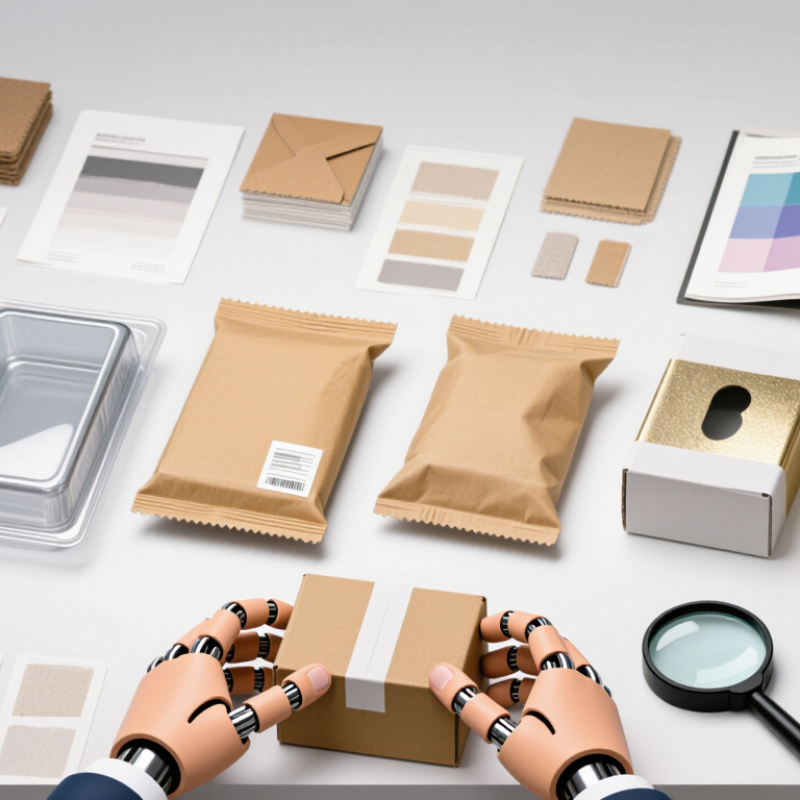
Table of Contents
[Hide]
How Custom Brand Packaging Supports Global Brands
For global brands, packaging is often the first physical proof of a product’s quality. A box may travel through humid ports, crowded warehouses, and several handoffs before reaching a customer. Small details matter. Custom packaging suppliers can adapt dimensions, materials, print layouts, and inserts to suit different products and shipping routes. A snug insert can prevent glass jars from knocking together, while a clear recycling label helps customers understand disposal options. Consistent colors and typography also make product lines easier to recognize across markets. But consistency takes careful file control; one outdated artwork file can create an expensive mismatch.
Experienced suppliers help buyers compare material samples, review production tolerances, and plan realistic lead times. Ask for a printed proof and a sample packed with the actual product, not an empty display box. Then check color under ordinary indoor light and inspect corners after a basic transit test. These steps catch problems before a full production run. Still, a supplier’s checklist cannot predict every route or handling mistake. I have seen attractive designs become awkward to pack because the insert was too tight. A second prototype may feel slow, but it can reveal a practical flaw that polished mockups hide.
| Supplier Type | Common Sourcing Hubs | Typical Custom Packaging | Common Materials | Indicative MOQ per Design | Indicative Production Lead Time | How It Supports Global Brands | Best Fit |
|---|---|---|---|---|---|---|---|
| Full-service paper packaging manufacturer | East and Southeast Asia, Europe, North America | Folding cartons, shipping boxes, printed inserts | Paperboard, corrugated board, kraft paper | About 1,000–10,000 units | About 3–6 weeks after artwork approval | Can coordinate structural design, printing, finishing, and export-ready packing through one production partner. | Brands needing retail cartons and shipping packaging across multiple product lines. |
| Flexible packaging converter | East and Southeast Asia, South Asia, Europe, North America | Pouches, sachets, rollstock, custom printed bags | Paper-based laminates and plastic film structures, depending on product requirements | About 5,000–20,000 units; rollstock orders may be quoted by weight or length | About 4–8 weeks after specification approval | Supports lightweight formats that can reduce shipping volume; converters can advise on barrier needs and packaging specifications. | Food, personal care, and other products requiring flexible packs or portion formats. |
| Premium rigid-box manufacturer | East Asia, Europe, North America | Set-up boxes, gift boxes, presentation boxes | Greyboard, wrapped paper, specialty paper, fabric coverings | About 500–3,000 units | About 4–8 weeks; complex finishes may take longer | Enables consistent unboxing presentation and coordinated packaging for launches, gifting, and premium retail. | Higher-value products and presentation-led retail packaging. |
| Molded-fiber protective packaging manufacturer | Asia, Europe, North America | Custom protective inserts, trays, end caps, and cushioning | Molded paper fiber and recycled-fiber pulp | About 1,000–5,000 units, depending on tooling and design | About 4–10 weeks, including sample and tooling stages where required | Can replace some plastic protective components and create product-specific cushioning for shipping. | Electronics, home goods, and products needing protective inserts. |
| Glass and metal packaging supplier | Asia, Europe, North America | Bottles, jars, tins, cans, closures, and compatible components | Glass, aluminum, tinplate, and related closure materials | About 1,000–10,000 units for standard formats; custom tooling may require higher volumes | About 5–12 weeks, depending on stock availability and customization | Provides durable primary containers and may support component matching, decoration, and export packing. | Products requiring rigid containers, such as beverages, cosmetics, or specialty goods. |
| Stock-packaging supplier with custom finishing | Regional suppliers in major markets worldwide | Stock cartons, mailers, bags, labels, and protective packaging with custom printing or finishing | Paper, corrugated board, and selected flexible materials | About 100–1,000 units, depending on the decoration method | About 1–4 weeks for in-stock formats and available finishing options | Offers a faster route to branded packaging without developing a fully custom structure or tooling. | Start-ups, product trials, seasonal orders, and smaller regional launches. |
| Regional packaging sourcing and fulfillment partner | Local or near-market production and fulfillment networks | Coordinated cartons, mailers, labels, inserts, and shipping supplies from multiple producers | Varies by packaging format and production partner | Varies by component; consolidated orders may allow smaller runs for individual items | About 2–8 weeks, depending on sourcing, customization, and local inventory | Can consolidate procurement, manage regional specifications, and coordinate delivery to multiple markets. | Global buyers seeking localized supply, consolidated purchasing, or multi-market fulfillment. |
Planning note: MOQ and lead-time ranges are indicative industry benchmarks, not supplier quotations. Actual requirements depend on material, dimensions, printing method, tooling, order volume, destination, and production schedule. Confirm product safety, labeling, recycling, and import requirements for each target market.
Related Posts
-
China Top 10 Packaging Suppliers Customize Your Own Packaging?
-

Top 10 Ways to Customize Your Own Packaging
-
What Is Custom Packaging How to Customize Your Own Packaging?
-
What Are the Top Customer Experience Packaging Types?
-

10 Best Custom Logo Packaging Designs to Elevate Your Brand?
-
2026 Best Custom Brand Packaging Solutions for Global Buyers?
 English
 Polski
 Čeština