2026 Top Clean Packaging Trends for Global Buyers?
Global buyers are entering a sharper phase of packaging change. In 2026, clean packaging will mean more than replacing plastic with paper. It will involve material safety, verified recyclability, lower emissions, responsible sourcing, and practical performance across supply chains.
Dame Ellen MacArthur has repeatedly warned, “We cannot recycle our way out of the plastics crisis.” Her statement remains relevant for procurement teams comparing molded fiber, recyclable mono-materials, compostable films, and refill systems. Each option carries trade-offs. A fiber package may reduce fossil-based content, yet it can struggle with moisture. A compostable format may require industrial facilities that many markets lack. Clean packaging must therefore be tested, not simply advertised.
This article examines the leading 2026 trends shaping global purchasing decisions. It considers lightweight structures, reusable formats, non-toxic coatings, recycled content, and packaging designed for verified recovery. It also looks at supplier documentation, third-party certifications, barrier testing, and lifecycle evidence. These details matter when a package travels through humid warehouses, automated filling lines, and long-distance shipping.
The market is moving quickly. Sometimes too quickly. Some sustainability claims still sound stronger than the available evidence. Buyers should question vague terms such as “eco-friendly” and request measurable data instead. Useful questions include: Can the package be collected locally? Does it protect the product until purchase? Can suppliers prove its material origin?
The best 2026 solutions will not be perfect. They will be transparent, adaptable, and honest about limitations. That is a better foundation for clean packaging.
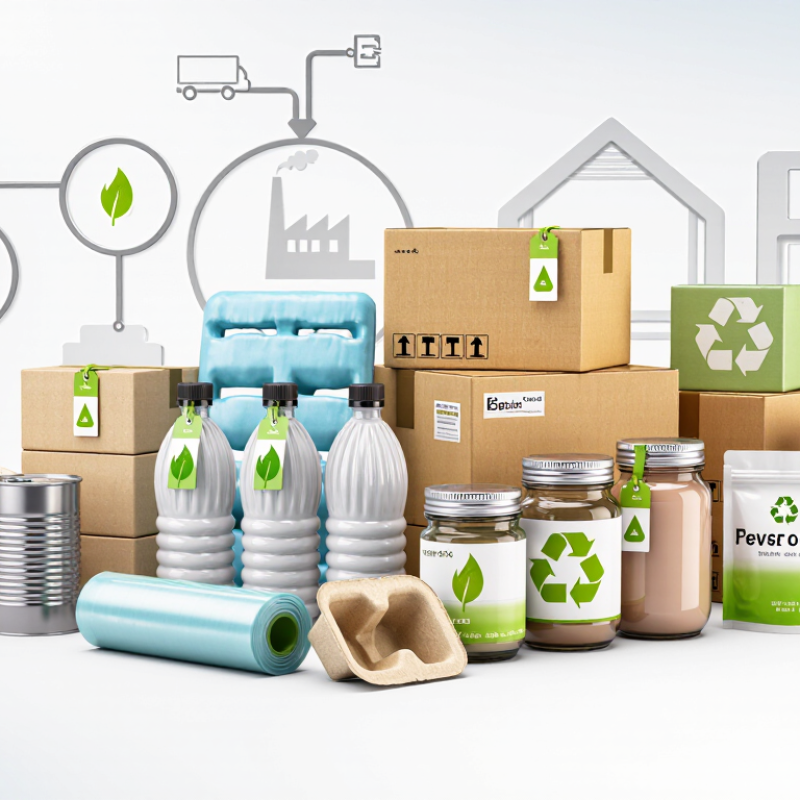
What Clean Packaging Means in 2026
Clean packaging in 2026 means more than a white box or a recycled label. For global buyers, it combines material safety, clear sourcing, low contamination risk, and practical end-of-life options. A package should protect the product without adding unnecessary layers, inks, or coatings. It should also provide useful information about composition and disposal.
In supplier evaluations, buyers increasingly request test reports, migration data, recycled-content evidence, and traceability records. A clean package may use paper, mono-material film, molded fiber, or responsibly sourced recycled plastic. The right choice depends on moisture, oxygen, temperature, transport distance, and product sensitivity. A beautiful package can still fail if it absorbs humidity during a six-week ocean shipment.
Recyclability is not automatic. Local collection systems differ widely, and a technically recyclable package may have no practical route in a smaller market. This remains an uncomfortable gap. Buyers should review disposal guidance country by country, not rely on broad environmental claims. They should also check supplier audits, batch consistency, food-contact compliance where relevant, and realistic performance testing. Simple packaging often looks clean. It is not always cleaner.
Key Drivers Shaping Global Clean Packaging Demand
For global buyers in 2026, clean packaging is moving beyond appearance. It now means safer materials, clearer sourcing, and less waste across the supply chain. Regulatory pressure is a major driver. Importers increasingly request evidence for recycled content, food-contact safety, and disposal claims. Retail procurement teams also want consistent documentation. A polished package without credible records creates delays. In practice, buyers compare supplier declarations, test reports, and plant-level process controls before approving a new format. Not just visuals.
Material efficiency is another strong demand signal. Lightweight containers reduce freight volume, but thinner walls can weaken stacking performance. Buyers are testing drop resistance, seal strength, and shelf stability under humid conditions. Mono-material designs attract attention because sorting can be simpler. Yet local recycling systems may not accept them. This gap matters. A package may be technically recyclable but practically unrecoverable in a destination market. Experienced teams now match packaging choices with actual collection infrastructure, not optimistic assumptions.
Traceability is becoming more operational. Digital batch records, supplier audits, and documented change controls help buyers manage risk across regions. Demand is also shaped by cost discipline. Cleaner materials must survive machinery, transport, and storage without excessive price increases. Some low-impact alternatives still require new equipment or longer lead times. That is easy to underestimate. Buyers should challenge carbon claims, request comparable testing, and review end-of-life instructions in local languages. The industry still has gaps when sustainability language moves faster than verified performance.
Materials and Designs Defining Clean Packaging Trends
For global buyers, clean packaging is moving beyond a white label and a green claim. Strong designs make material choices visible through simple structures and clear disposal guidance. The OECD’s Global Plastics Outlook identifies packaging as the largest source of plastic waste, at about 40% of total plastic waste. That figure changes the brief. A package must look calm, but it must also fit real collection systems.
Mono-material polyethylene and polypropylene films are gaining attention because simpler structures can support sorting and recycling. Paper-based packs offer a familiar texture, although coatings, inks, and barriers may complicate recovery.
Data from European Bioplastics and nova-Institute estimates global bioplastics capacity at about 2.18 million tonnes in 2023. It may reach 7.43 million tonnes by 2028. Growth is impressive. Availability, cost, and end-of-life access still vary sharply by region.
Compostable does not mean compostable everywhere.
In sourcing reviews, I look for lightweighting, concentrated formats, refill options, and documented recycled content. Small details matter: attached caps, stable pouches, and labels that separate cleanly. UNEP reports that packaging uses roughly 40% of global plastic production. Prevention should come before substitution. Yet recycled or bio-based claims can mislead when local infrastructure is absent. Does the design reduce impact, or merely photograph well? Buyers should test packaging in regional facilities, not only in showrooms. Early concepts often fail there.
Production Technologies and Supply Chain Standards
2026 Top Clean Packaging Trends for Global Buyers
Production Technologies and Supply Chain Standards
Clean packaging is moving from attractive design toward measurable production control. Manufacturers are investing in mono-material films, molded fiber, and thinner barrier layers. These materials can simplify recycling when local systems accept them. That condition matters. A recyclable structure may still fail in a region without collection facilities.
Digital printing reduces plate preparation and supports shorter production runs. Modern inline cameras also detect weak seals, color variation, and surface contamination. Some factories combine these systems with automated weight checks. This creates useful evidence during buyer audits. However, technology cannot correct poor material selection or careless operator training. Human judgment still matters.
Global buyers increasingly request material declarations, batch records, and independent laboratory reports. Suppliers should maintain chain-of-custody documents for recycled or certified inputs. They should also test migration, sealing strength, moisture resistance, and transport durability. A shared specification should define tolerances, sampling frequency, and corrective actions. International food-contact requirements must be checked for every destination market.
Supply chains need more than a factory certificate. Buyers should review subcontractors, energy data, wastewater controls, and worker safety records. Risk-based audits are practical, but annual visits may miss seasonal problems. Digital traceability improves visibility, yet data can be incomplete or entered too late. That weakness deserves honest discussion. Packaging teams should keep improving the system rather than presenting an unrealistic perfect scorecard.
How Global Buyers Evaluate Clean Packaging Solutions
How Global Buyers Evaluate Clean Packaging Solutions
Global buyers rarely judge clean packaging by appearance alone. In sourcing reviews, they examine the material, production process, and disposal route. A clear pouch may look responsible, yet its multilayer structure can complicate recycling. Buyers request technical data, migration test results, recycled-content evidence, and certificates from qualified laboratories.
Performance remains essential. Packaging must protect products during filling, stacking, transport, and storage. A carton that collapses in humid conditions creates waste, even if its fiber content is high. Buyers often test seal strength, compression resistance, barrier performance, and shelf-life stability. Small details matter. Ink adhesion matters too.
Regulatory expectations differ across markets. Experienced buyers compare local labeling rules, food-contact requirements, chemical restrictions, and recycling claims before approval. They also review supplier traceability, energy use, water management, and corrective-action records. A reliable supplier can explain every material layer and provide consistent batch documentation.
Cost is not judged alone. Buyers calculate total cost, including damage, returns, disposal, and possible redesigns. Still, evaluation methods are imperfect. Carbon figures may use different boundaries, while recycling access varies between cities. A solution can perform well in one country and fail in another. Better decisions come from transparent evidence, repeated testing, and honest limits.







 English
 Polski
  Čeština