
Global buyers rarely judge a product by quality alone. The package often creates the first physical impression. Custom Packaging Boxes help companies protect goods, communicate identity, and support a consistent buying experience across markets. A sturdy box can prevent crushed corners, loose components, and moisture damage during long transportation routes. It can also reduce confusion when cartons carry clear product information and handling details.
Packaging decisions require more than attractive artwork. Box size, material strength, printing quality, and internal protection should match the product’s weight and fragility. A glass bottle may need molded inserts, while lightweight accessories may need a compact folding carton. Experienced suppliers usually test samples before mass production. Drop testing, compression checks, and moisture assessments can reveal weaknesses that design software cannot show.
Small details matter. A clean opening experience builds confidence. Accurate dimensions may reduce wasted storage space and shipping volume. Responsible material choices can also support a company’s sustainability goals, although claims should remain specific and verifiable. Recyclable does not always mean environmentally harmless in every market. That point deserves honest review.
Global buyers also expect dependable communication. Clear specifications, stable color standards, realistic production schedules, and documented quality checks help prevent costly misunderstandings. However, Custom Packaging Boxes are not a universal solution. A premium finish may increase costs, while excessive layers may frustrate customers. Good packaging balances protection, appearance, budget, and practical use. It should serve the product first. Branding comes after reliability.
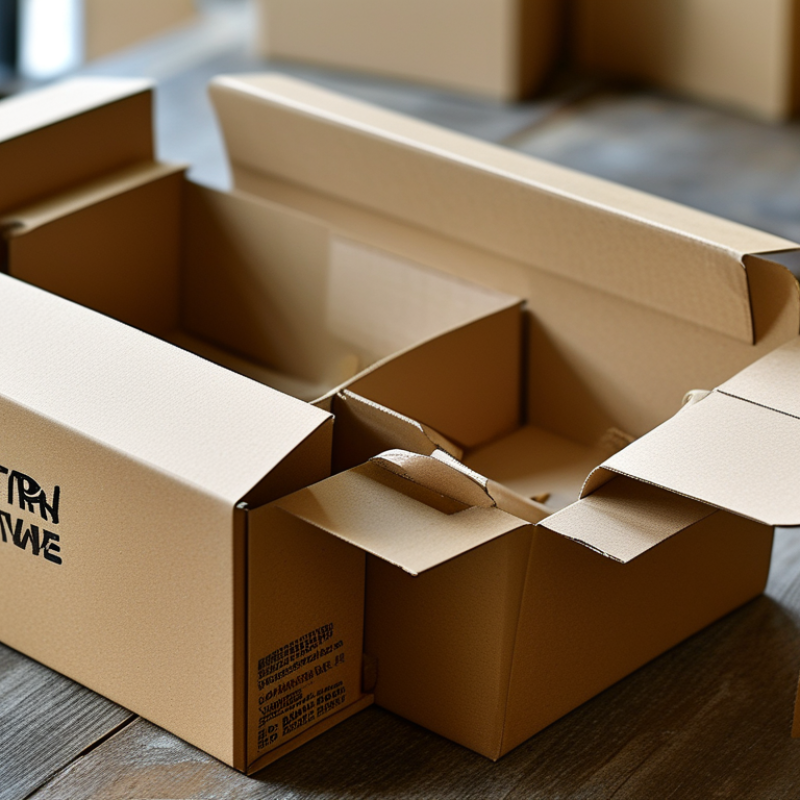
Custom packaging boxes are made for a specific product, not chosen from a fixed shelf size. Their dimensions, board strength, opening style, and interior inserts can match the item closely. A glass bottle may need molded support, while a flat device may need a snug paperboard tray. Printing can also show handling instructions, product details, and clear shipping information.
Standard boxes usually follow common sizes and simple structures. They are quicker to purchase and often cost less for routine shipments. However, extra space can let products move during transport. Too much filler may increase material use and shipping volume. Custom boxes reduce this gap by fitting the product more precisely. In my packaging evaluations, a two-centimeter size difference sometimes changed how securely an item arrived.
Custom packaging also helps global buyers check specifications consistently. They can request measured samples, compression testing, moisture-resistant materials, and documented packing procedures. These details make supplier communication more reliable across different languages and logistics conditions. Still, customization is not automatically better. A complex box may increase tooling costs, production time, or assembly errors. The design can look impressive yet open poorly. That is an easy mistake to overlook. A practical review should compare product fragility, order volume, storage space, and shipping routes before approving the final structure. One small test shipment may reveal problems that a digital drawing cannot.
| Comparison Dimension | Custom Packaging Boxes | Standard Packaging Boxes |
|---|---|---|
| Definition | Boxes designed to match a product’s required dimensions, structure, materials, graphics, and functional features. | Pre-designed boxes manufactured in commonly used sizes and formats for general packaging needs. |
| Dimensions and Fit | Size can be adjusted to the product, reducing unused space and helping limit movement during transport. | Available dimensions are limited to the supplier’s existing size range; additional void fill may be needed. |
| Structural Options | Can include inserts, dividers, die-cut openings, locking tabs, handles, windows, and specialized closures. | Usually limited to the standard construction and closure options already offered by the supplier. |
| Branding and Graphics | Supports customized artwork, colors, text, symbols, surface finishes, and multilingual information. | Typically supplied unprinted or with generic markings; custom printing may require a separate production process. |
| Material Selection | Material and board grade can be selected according to product weight, stacking requirements, moisture exposure, and destination conditions. | Material and thickness are generally predetermined by the standard product specification. |
| Typical Order Quantity | Often subject to a minimum order quantity because printing plates, dies, tooling, and setup may be required. | Often available in smaller quantities because the box format is already established and stocked or repeatedly produced. |
| Lead-Time Consideration | Usually requires design approval, sampling, tooling, printing, and production, so the planning cycle is generally longer. | Can usually be dispatched faster when the required size and quantity are already in stock. |
| Shipping Efficiency | A close fit can improve carton utilization and reduce unnecessary packaging volume, subject to protection requirements. | Oversized boxes may increase dimensional shipping volume and require additional protective materials. |
| Protection and Product Safety | Internal components can be engineered around the product to help control impact, vibration, compression, and movement. | Protection depends on the standard box size and any separately purchased cushioning or void fill. |
| Sustainability Considerations | Can be optimized for right-sizing, recyclable fiber content, reduced ink coverage, and fewer supplementary materials. | May be efficient when an existing size fits well, but poor fit can lead to more void fill and unused shipping space. |
| International Compliance | Artwork and specifications can be prepared for destination-market labeling, handling symbols, language, and documentation needs. | May provide fewer options for market-specific information or specialized handling instructions. |
| Cost Structure | Usually has higher initial setup costs, but unit economics may improve at larger production volumes. | Usually has lower setup costs and can be economical for small, urgent, or variable-volume orders. |
| Best Use Cases | Products needing strong brand presentation, precise protection, special dimensions, premium unboxing, or export-market adaptation. | Routine shipping, temporary packaging, replacement cartons, warehouse use, and products that fit common box sizes. |
Why Are Custom Packaging Boxes Important for Global Buyers?
Custom packaging boxes protect products through long, unpredictable shipping routes. UNCTAD’s Review of Maritime Transport reports that over 80% of global merchandise trade moves by sea. That journey includes stacking, vibration, humidity, and repeated handling.
A fitted box reduces empty space and limits product movement. Strong corrugated walls also help resist compression inside containers. ISTA testing procedures examine drops, vibration, compression, and atmospheric conditions. Drop tests matter. A carton may look perfect before dispatch, then fail at a warehouse corner. Packaging should match the product’s weight, shape, fragility, and shipping method. Extra material is not automatically safer.
Moisture barriers can protect paper goods and metal parts during humid voyages. Internal dividers can stop glass components from striking each other. OECD’s Global Plastics Outlook identifies packaging as responsible for about 40% of global plastic waste. This creates a difficult design choice: protection must improve without creating unnecessary material. Recycled fiber, right-sized dimensions, and reusable inserts can reduce that burden. However, sustainability claims need evidence. A box may use less plastic but still damage products if its structure is weak. Practical trials, shipment records, and customer feedback reveal that weakness. Human inspection still matters.
Custom packaging boxes help global buyers recognize a product before they read its label. Shape, color, texture, and opening style can communicate a brand’s character across language barriers. A carefully designed box may feel calm, practical, premium, or playful within seconds.
In packaging projects, small details often matter. A rigid box with a soft-touch surface can create a quiet, dependable impression. A precise logo position keeps product photos consistent across international stores. Interior compartments also prevent movement during shipping and make the unboxing experience feel intentional. These choices support brand identity while giving buyers a physical memory to connect with future purchases.
Consistency requires more than attractive artwork. Designers should test printed samples under different lighting conditions and compare colors across production batches. Text size, symbols, and instructions may need adjustment for local reading habits. A design that works well in one market can feel confusing elsewhere. That is easy to overlook. Material selection also deserves practical review, including box strength, storage space, and recycling expectations. Even experienced teams sometimes focus too heavily on appearance and miss how a customer handles the package at a kitchen table or warehouse desk. Feedback from distributors and real users can reveal those weaknesses before wider production.
Custom packaging boxes can make global logistics more predictable. A measured box reduces empty space, which may lower dimensional shipping costs and limit product movement. Strong corrugated walls also protect items during stacking, handling, and long-distance transport. In practice, packaging teams should test compression, vibration, moisture exposure, and temperature changes before mass production. Small details matter. A snug insert can prevent scratches. A clear handling label can reduce confusion in busy warehouses.
Customization also supports compliance across different markets. Packaging can reserve space for product information, recycling instructions, handling symbols, and required labels. Text should remain readable after printing and transportation. Materials must match the destination’s applicable packaging and environmental rules. These requirements can change, so exporters should verify them with qualified local advisers. Guesswork is risky. A box designed for one market may need adjustments elsewhere.
The customer experience begins before the product is opened. A clean structure, easy-open tab, and stable presentation can communicate care without excessive material use. Packaging can also include batch details or a scannable code for traceability, when appropriate. However, attractive design should not weaken protection. I have seen packaging look impressive in samples but fail after repeated handling. That gap deserves honest review. Teams should collect damage reports, packing-line feedback, and customer comments, then revise the box. Better packaging is tested, measured, and improved over time.
For global buyers, custom packaging boxes are not merely printed cartons. They are working tools for protection, handling, storage, and presentation. A buyer should begin with product weight, dimensions, fragility, and shipping route. A box that survives a dry warehouse may fail after humidity, stacking, and repeated handling. That detail is easy to underestimate. The International Safe Transit Association recommends performance testing that reflects real distribution hazards, including vibration, compression, and drops.
Material selection deserves evidence, not fashionable claims. UNEP’s 2023 Turning off the Tap report says packaging represents about 40% of global plastic production. The World Bank’s What a Waste 2.0 estimates 2.01 billion tonnes of municipal solid waste annually, with at least 33% unmanaged. Buyers should request recycled-content records, fiber sources, ink specifications, and recyclability guidance for destination markets. “Eco-friendly” is too vague. It needs proof. Recyclability can also depend on coatings, adhesives, and local collection systems.
Global sourcing requires consistent dimensions, tolerances, samples, and quality checks. Request a pre-production prototype, compression results, color references, and a documented inspection plan. Confirm minimum order quantities, tooling fees, lead times, pallet efficiency, and replacement procedures before approval. Smithers’ packaging market analyses identify e-commerce and transport protection as major demand drivers. Still, not every custom feature is worthwhile. A magnetic closure may look premium but add weight and cost. A practical preference is simpler: protect the item, reduce empty space, and make opening intuitive. It is not always beautiful. That may be the honest weakness.
What Global Buyers Should Consider When Choosing Custom Packaging Boxes
Custom packaging boxes help global buyers balance product protection, shipping efficiency, sustainability, cost control, and international compliance. These normalized decision weights represent common evaluation priorities when selecting packaging for cross-border supply chains.
Decision-weight benchmark: 100-point allocation based on widely used international packaging and logistics criteria.
