What Is a Coffee Pouch?
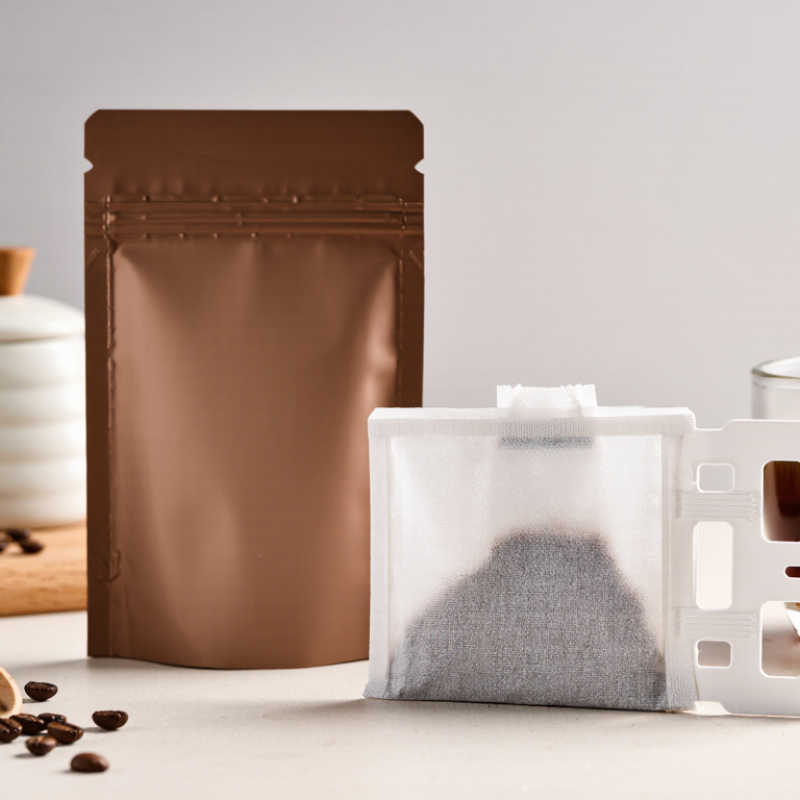
What Is a Coffee Pouch? The term can describe more than one product, so context matters. In some cases, it means a small filter bag filled with ground coffee, designed to steep in hot water like tea. In others, it refers to a sealed pouch used to store or sell coffee. These products look similar at a glance, but they serve different purposes. One is part of the brewing process; the other protects the coffee before use. The name is not perfectly consistent across brands, which can make shopping confusing.
A brewing pouch may contain a measured portion of grounds. You place it in a cup or pot, add hot water, and follow the maker’s steeping directions. The result depends on details such as grind size, water temperature, and contact time. Small details matter. A storage pouch, by contrast, may hold whole beans or ground coffee and help limit exposure to air, light, or moisture. Packaging materials and resealing features vary, so it is worth checking the product label rather than assuming every pouch preserves freshness equally well. Some pouches are intended for one brew; others hold multiple servings. That distinction is easy to miss. This guide explains the common meanings of Coffee Pouch, how each type is used, and what to check before choosing one. It also recognizes a limitation: the label alone may not tell you how a pouch will taste or perform.
Definition and Purpose of a Coffee Pouch
A coffee pouch is a flexible package used to hold roasted coffee beans or ground coffee. Unlike a rigid jar, it may use layered materials to help limit exposure to oxygen, moisture, and light. The level of protection depends on its materials and construction. Not all pouches perform equally.
Its main purpose is to help preserve coffee quality during storage and transport. Freshly roasted beans release carbon dioxide, so some pouches include a one-way valve that lets gas escape while limiting outside air entry. Other designs have a heat-sealed top, a zipper, or both. These features help contain the coffee and make repeated use easier. A zipper is useful, but it cannot restore freshness once coffee has aged.
A pouch is also lightweight, takes little shelf space, and comes in sizes for different amounts of coffee. For better storage, close the seal after each use and keep the pouch in a cool, dry cupboard, away from sunlight and heat. Small details matter. The term can mean different things in some settings, so check whether a product contains beans, grounds, or a prepared serving. That distinction is easy to miss.
Materials and Components Used in Coffee Pouches
What Is a Coffee Pouch?
Materials and Components Used in Coffee Pouches
A coffee pouch is a flexible package designed to hold whole beans or ground coffee. Its layers help protect the contents from moisture, oxygen, light, and handling. The exact structure varies. A pouch may use paper, plastic films, or a combination of materials, depending on its design and intended use.
The outer layer provides printability and stiffness; it may be paper or a durable plastic film. Inside, barrier layers can include aluminum foil or metallized film, which help limit exposure to light and oxygen. A food-contact inner layer, often polyethylene or polypropylene, supports sealing and helps keep coffee contained. Some pouches also have a zipper for repeated opening and a one-way valve that releases gas from freshly roasted beans while limiting incoming air. Those additions are useful, but they also make the package more complex. A material that protects coffee well is not automatically easy to recycle; local collection systems and the pouch’s full construction matter.
Tips: Check the inner seal and zipper before buying. Store the pouch away from heat and sunlight. Look for clear material information, but remember that disposal options vary by location.
What Is a Coffee Pouch? - Materials and Components Used in Coffee Pouches
A coffee pouch is a flexible package designed to hold and protect coffee. Its structure and features vary according to the coffee format, packaging process, and desired shelf life.
| Component | Common Material(s) | Purpose | Practical Considerations |
| Outer layer | Printed polyester (PET), oriented polypropylene (BOPP), or paper | Provides a printable exterior and helps protect the package from handling and abrasion. | The outer layer is often laminated to other materials; paper in a laminate does not necessarily make the whole pouch recyclable as paper. |
| Barrier layer | Aluminum foil or metallized polymer film | Helps limit exposure to oxygen, moisture, and light, which can affect coffee quality. | Foil generally provides a strong barrier. Metallized film is a thin metal coating on plastic and is not the same as a solid foil layer. |
| Inner sealing layer | Low-density polyethylene (LDPE), linear low-density polyethylene (LLDPE), or cast polypropylene (CPP) | Forms the heat-sealed seams and creates the surface that contacts the contents. | The selected layer must be compatible with the pouch structure and the sealing conditions used during packaging. |
| Lamination adhesive | Packaging-grade polyurethane adhesive or another laminating adhesive | Bonds the layers together to form a flexible multilayer structure. | Adhesives are typically buried between layers rather than exposed as the food-contact surface. |
| One-way degassing valve | Commonly a small polymer housing with a flexible membrane | Allows carbon dioxide released by freshly roasted coffee to escape while helping limit air from entering. | Often used for whole-bean coffee; it is an optional component and is not required for every coffee pouch. |
| Resealable closure | Usually polyethylene (PE) or polypropylene (PP) zipper profiles | Lets consumers open and reclose the pouch after the initial seal is broken. | A zipper can help with convenience but does not replace the original hermetic heat seal. |
| Tear notch or opening feature | A cut or engineered feature in the pouch film | Provides a starting point for opening the sealed package. | Its position and design depend on the pouch format and closure arrangement. |
| Bottom gusset or side gusset | The same flexible laminate used for the pouch body | Creates extra volume and can help the pouch stand upright when filled. | Gussets are structural folds in the pouch material, not separate materials. |
How Coffee Pouches Preserve and Release Coffee
What Is a Coffee Pouch?
How Coffee Pouches Preserve and Release Coffee
A coffee pouch usually holds ground coffee inside a porous filter, ready for steeping. A separate outer wrapper helps keep the grounds dry and limits exposure to air, light, and odors. Some packs use a tight seal or remove much of the air inside. This slows flavor loss, but does not stop it completely.
A pouch cannot rescue stale coffee. “Fresh” is not a precise flavor guarantee.
During brewing, hot water passes through the filter and draws out soluble compounds, including oils, acids, and aromatic molecules. The pouch keeps most grounds contained while allowing the brewed coffee to flow into the cup. Water temperature, steeping time, and how much the pouch moves can all affect taste.
A longer steep may taste stronger, but can also bring more bitterness. Small pouches can be awkward to position in wide cups. That detail matters.
The filter material and grind size vary, so two pouches may release flavor differently even when brewed the same way.
Common Types of Coffee Pouches
A coffee pouch is a flexible pack made from layered film, paper, or a combination of materials. Its shape and closure affect storage, shelf display, and convenience. The Flexible Packaging Association’s 2023 State of the U.S. Flexible Packaging Industry report estimated U.S. industry sales at $42.9 billion in 2022. That figure covers flexible packaging broadly, not coffee pouches alone, but it shows how widely flexible formats are used.
Flat pouches are compact and suit ground coffee, samples, or single servings. Stand-up pouches have a bottom gusset, so they sit upright on a shelf and often include a zipper for repeated use. Side-gusset bags expand at the sides and hold larger quantities; their squared shape fits neatly into cartons or storage bins. Quad-seal pouches add seals at each corner for a crisp, stable shape. A one-way valve is a feature, not a pouch type: it lets gas escape from freshly roasted beans while limiting outside air. Useful, but not magic. The barrier layer still matters.
For buyers, match the pouch to the coffee and its use. Whole beans may benefit from a valve and resealable closure, while small portions need little shelf footprint. Check material details, too: a pouch that looks like paper may contain plastic or foil layers that complicate recycling. There is no perfect format; cost, freshness, and end-of-life handling can pull in different directions.
What Is a Coffee Pouch? — Common Types of Coffee Pouches
Coffee pouches are flexible packages used to store and protect coffee. Sachets, stand-up pouches, flat-bottom pouches, and side-gusset pouches come in a range of sizes. The weights shown are examples of common pack sizes, not fixed limits: pouch shape does not determine how much coffee it holds.
Storage, Preparation, and Disposal Considerations
What Is a Coffee Pouch?
Storage, Preparation, and Disposal Considerations
A coffee pouch is a sealed, single-serve portion of ground coffee, often designed for steeping like a tea bag. It offers quick preparation, but pouch materials and brewing instructions differ. The National Coffee Association’s 2024 National Coffee Data Trends report found that 67% of U.S. adults drank coffee the previous day. That everyday demand makes freshness and convenient storage practical concerns.
Keep unopened pouches in a cool, dry cupboard, away from sunlight, steam, and strong-smelling foods. Once opened, reseal the outer pack tightly; moisture and oxygen can dull coffee’s aroma. Follow the pouch’s directions for water temperature and steeping time. A mug and a timer help, though the result may taste weaker than freshly brewed coffee. Small details matter.
Tips: Check the packaging before disposal. Separate components only when they come apart easily, and follow local recycling guidance; many small or mixed-material pouches may not be accepted. The U.S. EPA reported that containers and packaging generated 82.2 million tons of municipal solid waste in 2018. That figure covers all packaging, not coffee pouches specifically, but it shows why checking material labels is worthwhile. I still find disposal labels confusing; “recyclable” does not always mean accepted in your local bin.


 English
 Polski
 Čeština