Top Plastic Meat Trays for Efficient Food Packaging Solutions?
In the competitive world of food packaging, "Plastic Meat Trays" play a crucial role. According to Dr. Jane Thompson, an expert in food packaging technology, "Efficient packaging is essential for maintaining food quality and safety." This statement underscores the importance of selecting the right packaging solutions.
Plastic meat trays provide several advantages. They are lightweight, durable, and designed to keep meat fresh for longer periods. These trays come in various sizes, making them suitable for different cuts of meat. Moreover, they can be easily stacked, saving space in storage and transportation. However, some concerns about their environmental impact linger.
Experts believe that while these trays offer efficiency, there is room for improvement. Innovations in biodegradable materials are developing. Companies need to remain vigilant about sustainability while using plastic meat trays. As the industry evolves, addressing both functionality and eco-friendliness will be paramount for long-term success.
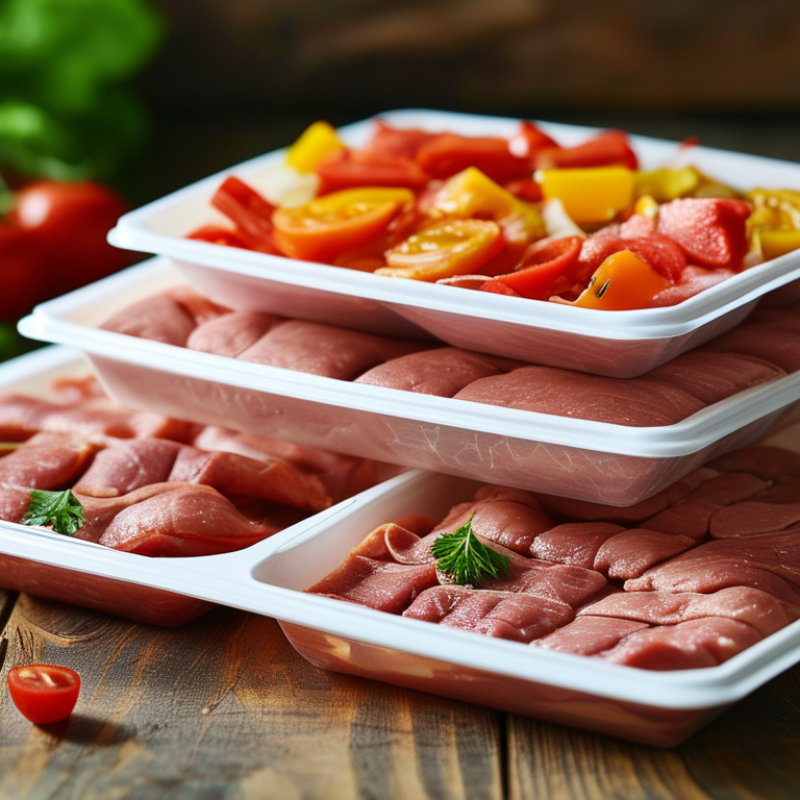
Types of Plastic Meat Trays and Their Uses in Food Packaging
Choosing the right plastic meat trays is essential for effective food packaging. These trays come in various types, each serving a different purpose. Sauced meat products often require deeper trays to accommodate liquid without spills. Meanwhile, vacuum-sealed trays are excellent for meats that need extended shelf life.
When selecting trays, consider the environment as well. Some materials are more eco-friendly than others. Using recyclable trays can reduce your carbon footprint. It’s worth noting, however, that not all recyclable trays perform well during transport, which can lead to waste.
Tips: Choose trays based on your specific needs. If you sell marinated meats, opt for thicker designs. For standard cuts, a lightweight option may suffice. Always test different designs to find a perfect match for your products. Experimentation can lead to unexpected solutions and improvements. Remember, packaging is not just about presentation; it also affects freshness and safety.
Top Plastic Meat Trays for Efficient Food Packaging Solutions
Key Features of Efficient Plastic Meat Trays for Retail and Distribution
When selecting plastic meat trays, several key features stand out. A reliable tray should showcase durability and strength. This ensures that the meat stays securely in place without any leaks. A sturdy design can prevent contamination, an essential aspect in food packaging.
Furthermore, the size and shape of the tray play a significant role. Trays that fit easily into retail displays and refrigerators are crucial. Efficient stacking capability is another important detail. This allows for optimal space utilization during storage and transportation, leading to cost savings.
Another aspect to consider is the material used. High-quality, recyclable plastics can enhance the eco-friendliness of the product. Consumers are more aware of sustainability now. Therefore, packaging that minimizes environmental impact can be appealing. However, not all manufacturers focus on this. It's a point worth reflecting on when choosing a supplier. Looking closely at the characteristics of meat trays can help businesses improve their packaging solutions.
Environmental Impact of Plastic Meat Trays and Sustainable Alternatives
Plastic meat trays are ubiquitous in the food industry. However, their environmental impact is significant. According to a 2021 report by the Environmental Protection Agency, the production of plastic products contributes to over 10% of global greenhouse gas emissions. These trays are typically made from polystyrene, which is not biodegradable. Instead, they can take hundreds of years to decompose, leading to pollution in landfills and oceans.
Sustainable alternatives are gaining traction. Biodegradable trays, made from plant-based materials, are proving to be effective. Research from The National Resources Defense Council shows that switching to biodegradable products can reduce landfill waste by up to 30%. Some companies are exploring reusable options to further minimize waste. However, these alternatives come with their own challenges. They may require more energy to produce or have a shorter shelf life.
While the shift towards sustainability is crucial, the complexity of food packaging poses questions. Are consumers ready to embrace these changes? The transition may take time, and it requires education on the benefits of sustainable options. Balancing efficiency with environmental responsibility remains a pressing issue in the food packaging sector.
Best Practices for Selecting and Utilizing Plastic Meat Trays
When selecting plastic meat trays, several factors come into play. Trays must maintain the quality and safety of the meat. Research indicates that packaging significantly affects meat shelf life. According to a study by the Food Packaging Forum, inadequate packaging can lead to a 20-30% waste of perishable products. Selecting trays made of high-quality, food-safe materials is crucial. Not all plastic is created equal.
It’s essential to consider the environmental impact of plastic meat trays. The demand for sustainable solutions is rising. A report from the Ellen MacArthur Foundation noted that 70% of consumers prefer brands that use eco-friendly packaging. This makes it vital for producers to weigh their choices and explore recyclable options. A lack of attention to sustainability can alienate a significant customer base.
Proper utilization of these trays is equally important. Trays should be clean and designed to fit the product securely. Some trays may present challenges, such as causing excessive condensation. This can lead to spoilage and affect meat quality. Regular evaluation of packaging processes is necessary. This includes testing for leaks and durability under various conditions. Implementing best practices helps ensure efficiency and customer satisfaction in the meat packaging process.
Top Plastic Meat Trays for Efficient Food Packaging Solutions
| Tray Size | Material Type | Color | Typical Use | Features |
| 12" x 9" | Polypropylene (PP) | Black | Red Meat | Leak-Resistant, Stackable |
| 10" x 7" | Polyethylene (PE) | Clear | Poultry | Freezer-Safe, Microwave-Safe |
| 14" x 10" | Polyvinyl Chloride (PVC) | Red | Processed Meat | Customizable, Eco-Friendly Options |
| 8" x 6" | Biodegradable Plastic | Green | Sliced Meat | Compostable, Durable |
Innovations in Plastic Meat Tray Design for Enhanced Food Safety
Innovations in plastic meat tray design are crucial for enhancing food safety. Modern materials are now more resistant to bacteria and chemicals. This helps reduce the risk of contamination. Trays made from high-quality plastics can better preserve meat freshness. Improved sealing technology prevents leaks and exposure to air.
Designs have evolved with features like easy-to-open lids and clear visibility for consumers. Enhanced structural integrity ensures that the trays do not break during transport. However, not all designs meet high safety standards. It’s important for manufacturers to focus on compliance. Reliability in production is often overlooked, leading to safety inconsistencies.
Incorporating recycled materials into new designs is becoming a trend. This helps the environment but may affect tray durability. Striking a balance between sustainability and safety remains a challenge. Continuous innovation is essential. The goal should always be to enhance food safety and consumer confidence.


 English
 Polski
  Čeština