

Top 10 Types of Packing Covers for Global Buyers
Choosing the right Packing Covers can protect products, reduce handling damage, and support smoother international shipments. However, global buyers face different weather conditions, transport methods, storage periods, and packaging standards. A cover suitable for a dry warehouse may fail during a humid sea voyage. Small details matter, including fabric weight, waterproof coating, UV resistance, reinforced seams, elastic edges, and fastening points.
No cover fits every shipment.
This guide introduces the top 10 types of Packing Covers used across manufacturing, logistics, agriculture, construction, and retail supply chains. It considers practical uses, material performance, reusable design, cleaning requirements, and purchasing concerns. For example, a polyethylene cover may offer affordable rain protection, while a breathable fabric cover can reduce condensation around sensitive goods. Heavy-duty tarpaulins may protect machinery, but their weight can increase handling effort. Transparent covers help with quick identification, although they may provide less privacy and heat control.
Experienced buyers should examine more than product photographs. Ask for dimensions, fabric specifications, seam details, sample testing, and clear quality records. Supplier communication also matters, especially when covers require custom printing, eyelets, zippers, or pallet-level fitting. A low unit price can look attractive, yet replacement costs may become higher after one damaged shipment. This guide does not treat any single material as universally superior. Instead, it encourages careful comparison, practical testing, and honest review of each application before a larger purchase.
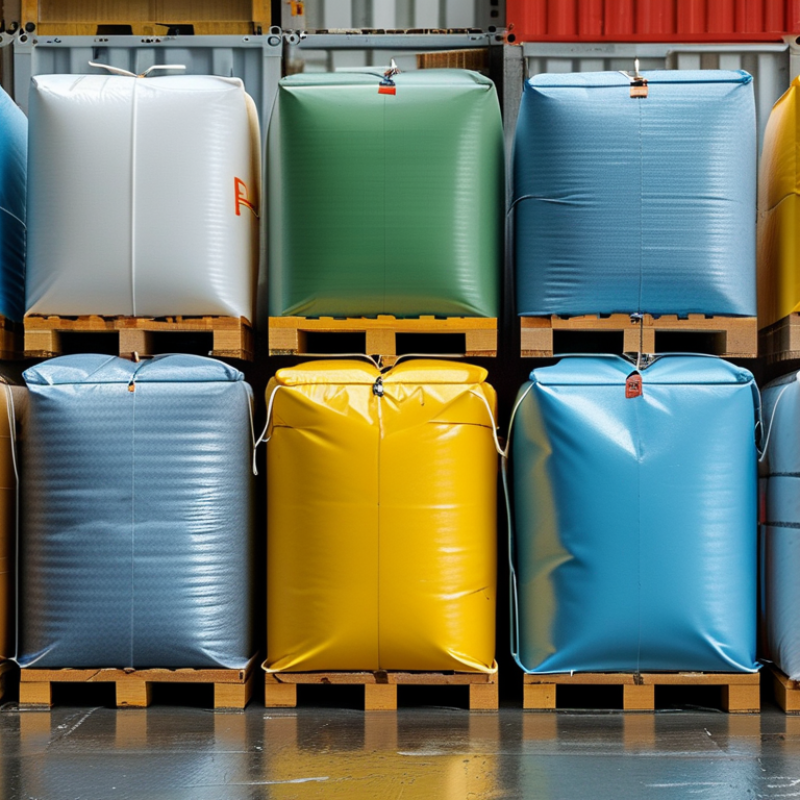
Table of Contents [Hide]
Classification Framework: Ten Cover Types by Load, Barrier, and Reuse
Top 10 Types of Packing Covers for Global Buyers
Classification Framework: Ten Cover Types by Load, Barrier, and Reuse
Packing covers should be selected by load shape, barrier needs, and reuse plans. Stretch pallet covers suit stable cartons and light consolidation. Shrink covers hold irregular loads tightly after controlled heating. Woven polypropylene tarpaulins protect bulky goods during storage and transport. Laminated woven covers add stronger resistance against rain and surface abrasion. Dust covers work well for clean indoor handling. They are simple, but useful.
Moisture-barrier covers protect metal parts, machinery, and packaged materials from humidity. UV-resistant covers support outdoor storage where sunlight may weaken ordinary fabric. Insulated covers help reduce temperature swings around sensitive goods, though they cannot replace validated cold-chain controls. Reinforced export covers use heavier fabric, stronger seams, and corner protection for dense or sharp-edged loads. A loose cover can still fail. Fit matters.
Returnable textile covers are designed for repeated warehouse and truck use. Their value depends on folding space, cleaning procedures, and reverse logistics. Buyers should check tear strength, seam construction, closure design, and documented barrier performance. A cover marketed as waterproof may only resist short-term rain. Testing conditions are often overlooked. Load weight alone is not enough; vibration, stacking pressure, handling frequency, and destination climate also influence the choice. Samples should be tested on the actual load before volume purchasing.
Top 10 Types of Packing Covers for Global Buyers - Classification Framework: Ten Cover Types by Load, Barrier, and Reuse
| No. | Packing Cover Type | Typical Load Profile | Common Materials and Construction | Primary Barrier Performance | Typical Reuse Profile | Common Global Applications | Main Selection Consideration |
|---|---|---|---|---|---|---|---|
| 1 | Woven Polypropylene Tarpaulin | Large or irregular loads Suitable for machinery, construction materials, agricultural goods, and outdoor cargo. | Coated or laminated woven polypropylene fabric; often fitted with hems, eyelets, ropes, or reinforced corners. | Not normally airtight or moisture-condensing proof. | Reusable Usually reused many times when cleaned, dried, folded, and stored correctly. | Truck transport, open-yard storage, project cargo, agricultural and industrial shipments. | Choose fabric weight, coating quality, waterproofing, fastening method, and tear resistance according to weather and handling conditions. |
| 2 | Pallet Top Cover | Single palletized load Designed to cover the top and upper sides of cartons, bags, drums, or cases. | Low-density polyethylene film, recycled polyethylene film, or woven plastic fabric; available as flat sheets or fitted covers. | Provides limited protection against prolonged rain unless fully secured. | Usually single-use Heavy-duty fabric versions can be reused in closed-loop logistics. | Warehouses, distribution centers, export pallets, and temporary protection during loading or storage. | Match the cover dimensions to the pallet footprint and load height; allow sufficient overhang without creating trip hazards. |
| 3 | Stretch Hood Cover | Stable palletized loads Suitable for cartons, beverage cases, building products, and bagged goods. | Elastic polyethylene film applied over the pallet and stretched around the load; commonly used with automated equipment. | Can provide UV protection when UV-stabilized film is selected. | Single-use Designed for efficient material use and recycling where suitable collection systems exist. | High-volume palletizing, export logistics, beverage distribution, cement, tiles, and packaged consumer goods. | Requires compatible film stretch properties and accurate load dimensions; sharp edges may need protection. |
| 4 | Shrink Hood Cover | Rigid, unitized pallet loads Works well for dense loads with defined corners and relatively stable geometry. | Polyethylene shrink film that is heated to contract around the load; may be applied manually or by automated systems. | Provides strong containment but is not a complete vapor barrier. | Single-use Removal and recycling depend on local waste-handling infrastructure. | Bricks, cement products, timber packs, insulation, appliances, and other palletized industrial goods. | Heat application must be controlled to avoid film damage, product deformation, or unsafe working conditions. |
| 5 | FIBC Bulk Bag Cover | Flexible bulk loads Used with powders, granules, flakes, and other dry free-flowing materials in flexible intermediate bulk containers. | Polypropylene fabric cover, coated fabric, or integrated bag construction; may include filling, discharge, and closure features. | Special liners may be required for fine powders or moisture-sensitive contents. | Single-use or reusable Reuse requires inspection, cleaning, traceability, and approval for the intended material. | Chemicals, minerals, food ingredients, agricultural products, plastics, and construction powders. | Confirm safe working load, safety factor, lifting-loop design, discharge configuration, and whether the product requires a food-grade or hazardous-material solution. |
| 6 | Drum and IBC Cover | Cylindrical or square containers Protects drums, intermediate bulk containers, and their closures during storage and transport. | Polyethylene film, coated textile, or fitted reusable fabric with elastic edges, drawstrings, or attachment points. | Usually does not protect the full container from immersion or severe side impact. | Single-use to reusable Reusable versions are normally made from coated woven fabric and can be washed or wiped. | Chemical, lubricant, food, pharmaceutical, water-treatment, and industrial liquid logistics. | Check compatibility with the container shape, venting requirements, closure access, and any regulatory labeling that must remain visible. |
| 7 | Insulated Thermal Cover | Temperature-sensitive pallet loads Used for pharmaceuticals, food, cosmetics, chemicals, and other products affected by temperature variation. | Multi-layer textile, reflective film, foam, or quilted insulation; commonly designed as a fitted pallet blanket or hood. | Does not replace validated active temperature control for long or extreme exposures. | Reusable Service life depends on cleaning, seam integrity, insulation condition, and handling frequency. | Cold-chain staging, air freight, pharmaceutical distribution, food exports, and temperature-controlled warehousing. | Use with a qualified packaging design and temperature-monitoring plan; select insulation according to lane duration and climate. |
| 8 | Anti-Static or Conductive Cover | Electronic and sensitive industrial loads Protects components, equipment, and packaged goods where electrostatic discharge is a concern. | Static-dissipative or conductive plastic film, coated textile, or specialized multilayer fabric; grounding requirements may apply. | Moisture and corrosion protection depend on the cover structure and any inner barrier. | Single-use or reusable Performance may change after contamination, abrasion, washing, or surface treatment. | Semiconductor equipment, electrical assemblies, automation components, batteries, and precision machinery. | Verify surface resistance, grounding method, humidity conditions, and compatibility with the product's electrostatic-control program. |
| 9 | Corrosion-Inhibiting VCI Cover | Ferrous metal and mixed metal loads Used for machinery, spare parts, tools, steel components, and assemblies during storage or shipment. | Polyethylene film or textile containing volatile corrosion inhibitor technology; often used with VCI paper or sealed packaging. | Provides limited mechanical protection and is not a substitute for structural packaging. | Usually single-use Reusable outer covers may be combined with replaceable VCI film or inserts. | Automotive parts, machinery exports, metal fabrication, military equipment, and long-term spare-parts storage. | Keep the package sufficiently enclosed and use clean, dry parts; verify compatibility with metals, coatings, oils, and required storage duration. |
| 10 | Reusable Textile Cargo Cover | Heavy, irregular, or returnable loads Suitable for machinery, automotive components, reusable containers, and internal transport systems. | Coated polyester, nylon, polypropylene fabric, or other industrial textiles with reinforced seams, straps, buckles, or hook-and-loop closures. | Barrier performance depends on coating, seams, and closure design. | Highly reusable Designed for repeated handling, return logistics, inspection, cleaning, and repair. | Automotive supply chains, industrial returnable packaging, warehouse transfers, and project cargo. | Evaluate total cost over the intended number of trips, cleaning requirements, folding volume, repairability, and reverse-logistics availability. |
Note: Barrier performance and reuse potential vary with material grade, cover design, climate, handling conditions, cleaning procedures, and applicable transport requirements. Always confirm the specification through supplier test data and route-specific packaging trials.
 English
 Polski
  Čeština