Top 5 3PL Packaging Trends to Watch in 2025 for Your Business
As we approach 2025, the logistics landscape is continually evolving, and one area poised for significant transformation is 3PL packaging. Third-party logistics providers are increasingly focusing on innovative packaging solutions that not only ensure product safety and integrity but also enhance efficiency and sustainability. In this dynamic environment, businesses must stay informed about emerging trends in 3PL packaging to remain competitive and meet the ever-changing demands of consumers.
In this article, we will explore the top five packaging trends that are expected to shape the 3PL landscape in the near future. These trends will highlight the importance of sustainable packaging materials, advancements in automation and technology, and the growing emphasis on customization and branding. By understanding these pivotal trends, businesses can strategize effectively and leverage 3PL partnerships to optimize their packaging processes, ultimately leading to improved customer satisfaction and operational efficiency.

Emergence of Sustainable Packaging Solutions in 3PL
As we approach 2025, the logistics and packaging industry is witnessing a significant shift towards sustainable packaging solutions. This trend is largely driven by increasing consumer awareness of environmental issues and the demand for eco-friendly practices. According to a recent report by Smithers Pira, the global sustainable packaging market is expected to reach $400 billion by 2027, reflecting a compound annual growth rate (CAGR) of 7.7%. Third-party logistics (3PL) providers are recognizing the importance of sustainable materials and are actively investing in innovative packaging solutions that reduce waste and carbon footprints.
Emerging technologies also play a crucial role in the transition to sustainable packaging in 3PL. Advances in biodegradable materials, such as plant-based plastics and recycled paper products, are becoming more affordable and efficient. The Packaging Association notes that over 70% of consumers prefer products with sustainable packaging, which pushes retailers and manufacturers to collaborate with 3PL providers that prioritize eco-friendly practices. By incorporating these sustainable solutions into their operations, 3PL companies not only meet consumer demand but also contribute to broader sustainability goals, thereby enhancing their competitive edge in the market.
Advancements in Automation for Packaging Processes
Advancements in automation are poised to revolutionize packaging processes in the third-party logistics (3PL) sector by 2025. According to a 2023 report by McKinsey, over 75% of logistics companies are expected to integrate automated systems in their packaging operations. This shift not only enhances efficiency but also significantly reduces labor costs, allowing businesses to allocate resources more effectively. Automated solutions, such as robotic arms and conveyor systems, streamline the packing process, increasing throughput and ensuring consistent quality.
Moreover, as the demand for faster delivery times continues to grow, the automation of packaging will be a crucial driver in meeting customer expectations. A study by Gartner indicates that companies that employ automated packaging processes can reduce packing time by up to 30%, thus aligning with the increasing consumer preference for rapid fulfillment. Additionally, the integration of smart technologies, like IoT devices, into packaging machinery enables real-time monitoring and adjustments, further optimizing the packaging workflow and reducing waste. As businesses look to enhance their competitiveness, embracing these advancements in automation will be essential for staying ahead in the evolving logistics landscape.
Integration of Smart Technology in Packaging
The integration of smart technology in packaging is set to revolutionize logistics and supply chain management by 2025. With advancements in IoT (Internet of Things), packaging solutions are becoming increasingly intelligent, allowing for real-time tracking and monitoring of goods throughout their journey. This transformation not only enhances operational efficiency but also provides valuable data that can help businesses optimize their inventory and shipping processes.
Moreover, smart packaging solutions enable improved customer engagement through interactive features. By incorporating QR codes and NFC technology, businesses can offer consumers direct access to product information, enhancing their purchasing experience and fostering brand loyalty. This connectivity allows for a dynamic interaction between the product and the consumer, where feedback and preferences can be gathered swiftly, thus enabling brands to make data-driven decisions that cater to market demands. As the landscape of logistics evolves, the integration of smart technology in packaging is a critical trend that businesses must embrace to stay competitive.
Top 5 3PL Packaging Trends to Watch in 2025 - Integration of Smart Technology in Packaging
This bar chart illustrates the projected adoption rates of various smart technology trends in packaging for 2025. The integration of IoT, sustainable practices, and automation is set to lead the way, indicating a significant shift towards smarter, more efficient packaging solutions.
Customization Trends in 3PL Packaging
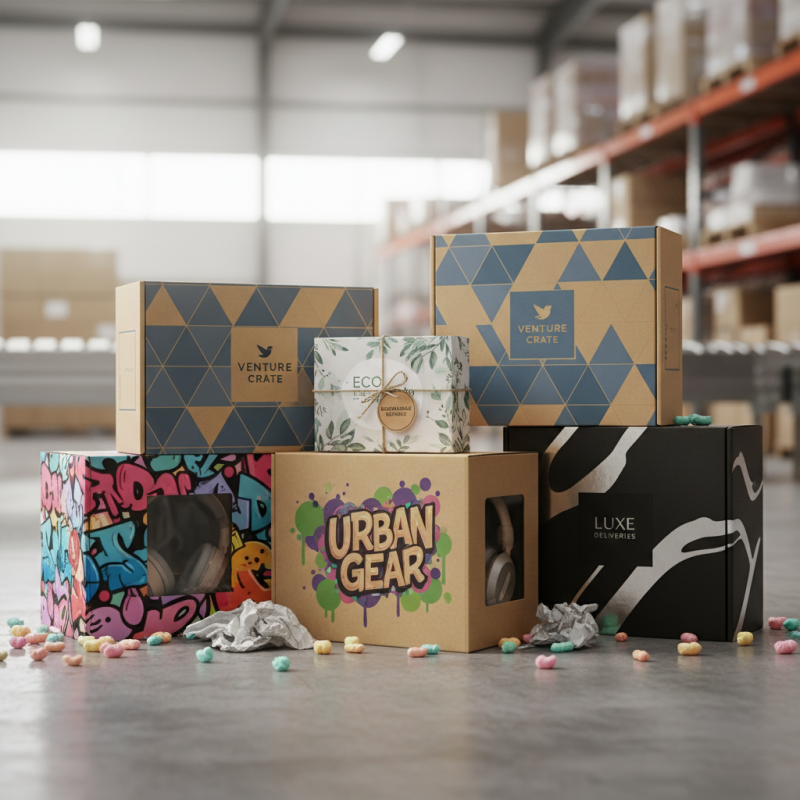
As we look ahead to 2025, the trend of customization in third-party logistics (3PL) packaging continues to gain momentum. Businesses are recognizing the importance of personalized packaging solutions to enhance customer experience and brand loyalty. Consumers today expect products to be packaged in ways that not only protect the item but also reflect their individual preferences and values. This shift is prompting 3PL providers to adopt more versatile packaging options that can be tailored to specific demographics and market demands.
Customization in 3PL packaging goes beyond merely changing box sizes or colors. It involves integrating sustainable materials and innovative designs that resonate with consumers' eco-conscious attitudes. Companies are increasingly seeking biodegradable and recyclable materials, making it essential for 3PL providers to adapt their packaging strategies to accommodate these demands. Additionally, the use of advanced technology, such as 3D printing and digital customization tools, allows for unique designs and branding opportunities, creating a more immersive shopping experience. Ultimately, the focus on customization not only sets businesses apart in a crowded marketplace but also contributes to a more sustainable future in packaging logistics.
Impact of E-commerce Growth on Packaging Strategies
The rapid growth of e-commerce has significantly influenced packaging strategies, pushing businesses to adapt to new consumer expectations and logistical challenges. As online shopping continues to dominate the retail landscape, companies are re-evaluating their packaging to enhance product protection while optimizing for shipping efficiency. Lightweight and durable materials are increasingly favored, reducing shipping costs and minimizing environmental impact. Additionally, brands are focusing on streamlined designs that facilitate easy packing and unpacking, ensuring a positive customer experience.
Another notable trend is the growing emphasis on sustainable packaging solutions. With consumers becoming more environmentally conscious, businesses are compelled to utilize recyclable and biodegradable materials. This shift not only caters to consumer demand but also aligns with regulatory pressures for reduced plastic usage. Consequently, e-commerce companies are investing in innovative packaging technologies that support sustainability, such as compostable fillers and reusable packaging systems, which not only protect the product but also reflect the brand's commitment to environmental responsibility. This evolution in packaging not only meets the demands of e-commerce growth but also contributes to a more sustainable future in retail.
Top 5 3PL Packaging Trends to Watch in 2025 for Your Business
| Trend |
Description |
Impact on E-commerce |
Adoption Rate (%) |
| Sustainable Packaging |
Increasing use of eco-friendly materials and reducing plastic use. |
Enhances brand image and appeals to environmentally conscious consumers. |
65% |
| Smart Packaging |
Integration of technology for tracking, freshness and consumer interaction. |
Improves customer experience and reduces delivery issues. |
50% |
| Custom Packaging Solutions |
Tailored packaging to fit specific product dimensions and branding. |
Increases operational efficiency and enhances brand presentation. |
58% |
| Automation in Packaging |
Use of automated systems for packaging processes to increase efficiency. |
Reduces labor costs and speeds up the fulfillment process. |
72% |
| Minimalist Packaging |
Focus on simpler designs with less material usage. |
Appeals to consumers looking for reduced waste and simplicity. |
40% |








 English
 Polski
  Čeština