What Are the Top 10 Types of Cement Plants?
Choosing the right Cement Plant begins with understanding how cement is produced, transported, and controlled. Each plant type reflects different production needs, raw materials, fuel options, and site conditions. A compact grinding unit may suit an urban market, while an integrated plant needs extensive limestone reserves and reliable logistics.
This guide explores the top 10 types of cement plants used across modern construction markets. It considers integrated cement plants, clinker grinding plants, mini cement plants, dry-process plants, wet-process plants, and mobile or modular facilities. Other categories may include white cement plants, vertical shaft kiln plants, and specialized plants serving remote projects. Their equipment can differ sharply, from massive rotary kilns to compact vertical mills.
Practical experience shows that plant selection rarely depends on one factor. A dusty quarry road, unstable electricity supply, or limited water access can change the preferred design. Energy consumption, emission control, maintenance skills, and product consistency also deserve close attention. Reliable operators study laboratory results, equipment records, and local regulations before investing. Standards can vary by region. That boundary can blur.
No classification is flawless. Some plants combine several production methods, making simple labels less precise. Even so, comparing these ten types creates a useful technical framework. It helps engineers, investors, and procurement teams match plant design with output targets and operating realities. The following overview focuses on how each Cement Plant works, where it performs well, and which limitations should not be ignored.
Integrated and Standalone Cement Plants: Two Core Production Models
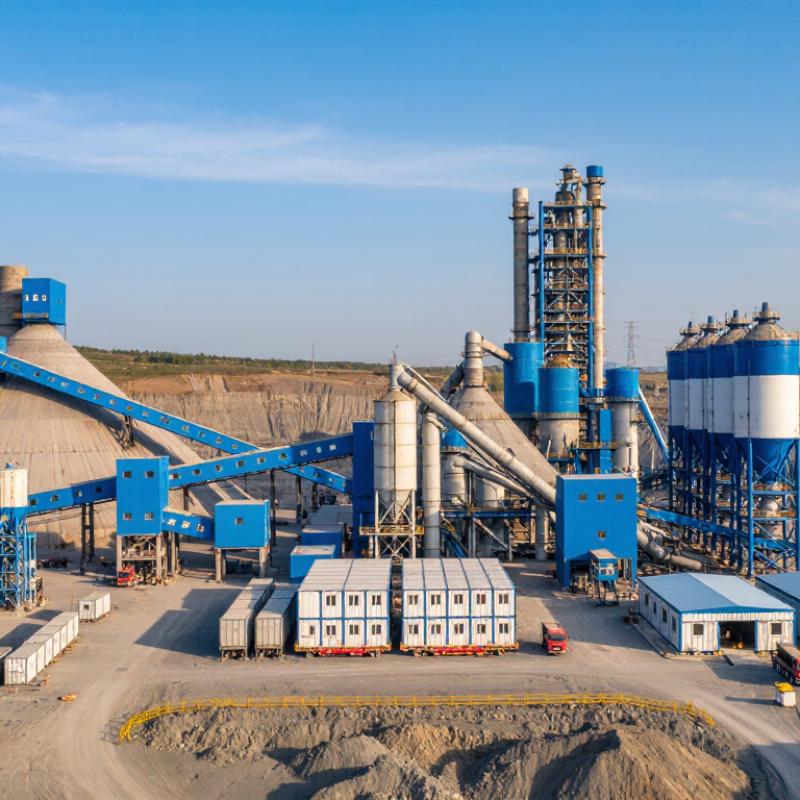
Among the ten common cement plant configurations, integrated and standalone plants remain the two core production models. An integrated plant manages most stages on one site. Limestone arrives at the quarry, then moves through crushing, raw meal preparation, preheating, the rotary kiln, clinker cooling, and cement grinding. This layout reduces clinker transport and supports tighter quality control. However, it requires major investment, reliable fuel supplies, and careful environmental management.
A standalone cement plant usually buys clinker from external producers. It focuses on grinding, blending, storage, and dispatch. This model can operate near cities or construction markets, reducing the distance for finished cement deliveries. A practical site audit should examine port access, road capacity, power stability, storage space, and seasonal demand. A grinding unit beside a busy highway may outperform a larger facility with poor logistics.
The choice is not purely financial. Integrated plants offer stronger control over clinker chemistry and long-term production planning. Standalone plants can provide faster market entry and more flexible capacity. Yet imported clinker creates exposure to shipping delays, price changes, and inconsistent material quality. No model is flawless. In practice, a neat spreadsheet can mislead. Local limestone quality, moisture levels, maintenance skills, and grid reliability often decide the real result. Experienced operators review these details before selecting equipment or setting output targets.
What Are the Top 10 Types of Cement Plants?
Integrated and standalone cement plants differ mainly in whether clinker production and cement grinding are carried out at the same site.
The chart maps the main process stages performed on site. Integrated plants generally include raw-material preparation, clinker production, cement grinding, and blending or dispatch. Standalone facilities normally receive clinker or supplementary cementitious materials from elsewhere and focus on grinding, blending, or distribution.
Dry-Process and Wet-Process Cement Plants: Main Kiln Technologies
What Are the Top 10 Types of Cement Plants?
Cement plants differ mainly by raw-material preparation and kiln design. The ten common configurations include dry long kilns, dry kilns with suspension preheaters, and dry precalciner lines. They also include semi-dry, semi-wet, wet long, and slurry-fed wet-process plants. Shaft-kiln plants, hybrid conversion lines, and compact modular plants complete the list. Each layout responds to local fuel, material moisture, space, and production targets.
Dry-process plants
Dry-process plants remove most moisture before materials enter the kiln. A preheater uses hot exhaust gases to warm crushed raw meal through several cyclone stages. A precalciner burns much of the fuel before the material reaches the rotary kiln. This arrangement usually lowers fuel demand and increases output. The kiln shell remains hot and dusty. Good sealing and stable air control are essential.
Wet-process plants
Wet-process plants grind raw materials with water into a pumpable slurry. The slurry may contain around 30% to 40% water, creating a significant evaporation load. Wet kilns are longer and often require more heat, but they can handle sticky or variable raw materials smoothly. Semi-wet systems press water from the slurry before firing. They can reduce fuel use, though filtration adds maintenance and operating complexity.
In practice, laboratory figures may look excellent. Field results can differ when moisture swings, deposits form, or operators adjust fuel too slowly. Choosing kiln technology requires more than comparing production rates; daily material behavior often decides whether a plant runs steadily.
Semi-Dry and Semi-Wet Cement Plants: Intermediate Production Designs
What Are the Top 10 Types of Cement Plants?
Semi-dry and semi-wet cement plants occupy a practical middle ground between dry and wet production. Their raw material preparation differs mainly in moisture content. Semi-dry plants form the prepared meal into nodules, often using a small amount of water. These nodules enter the kiln with improved permeability. Moisture matters. Semi-wet plants process a wetter slurry, but they remove part of that water through filtration before burning. This reduces the kiln’s evaporation burden compared with traditional wet plants.
In field assessments, semi-dry systems can suit regions where raw materials vary in moisture or grinding behavior. Their nodules may improve air movement through the kiln bed. However, poor granulation can create uneven heating and unstable kiln operation. Operators must monitor feed moisture, nodule strength, and fuel consumption together. One variable rarely tells the whole story. Semi-wet plants can offer better handling of sticky or plastic raw materials. Filter performance becomes critical. A clogged filter quickly changes the process balance and increases maintenance pressure.
These designs also require thoughtful heat recovery. Preheating efficiency may be lower than in advanced dry systems, depending on the kiln arrangement. That difference affects emissions, operating costs, and production capacity. I would not describe either design as universally superior. Site conditions decide more than equipment labels. In practice, plants sometimes accept higher energy use to gain steadier raw-material handling. That choice can be reasonable, but it should follow measured data rather than assumptions. Poorly maintained moisture controls remain a common weakness.
Grinding and Blending Plants: Specialized Finishing Facilities
Grinding and blending plants are specialized finishing facilities among the ten main types of cement plants. They usually receive clinker, gypsum, and selected mineral additives from separate production sites. Their role is focused, but technically demanding: transform materials into consistent cement for regional markets.
Inside the plant, clinker passes through a controlled grinding system. Rollers or grinding media reduce it to a fine powder. Operators monitor mill vibration, separator speed, feed rate, and outlet temperature. Small changes can affect strength development and setting time. Gypsum helps control setting, while limestone or other approved additions may reduce clinker content. Every material needs verified chemical and physical properties.
Blending must be even. Uneven distribution can create variable performance between bags or bulk loads. Sampling at the mill outlet and storage silos supports reliable testing. Laboratories commonly check fineness, moisture, setting time, and compressive strength. Clean storage also matters. Cross-contamination is easy to overlook.
A practical weakness remains. Operators may trust automatic readings too quickly. Instruments can drift, and a neat control screen does not guarantee uniform cement. Regular calibration and hands-on inspections are still necessary. Dust collection, enclosed conveyors, and careful housekeeping protect workers and nearby communities. These plants can be efficient, but efficiency depends on disciplined maintenance and honest review of imperfect results.
Mini, Modular, and Green Cement Plants: Emerging Plant Models
What Are the Top 10 Types of Cement Plants?
Mini, Modular, and Green Cement Plants: Emerging Plant Models
The ten main cement plant types include integrated, grinding, mini, modular, mobile, dry-process, wet-process, precalciner, vertical-shaft, and green plants. Each model serves a different production scale and raw-material condition. Integrated plants handle limestone crushing, clinker production, and cement grinding on one site. Grinding plants import clinker, then produce cement with lower local heating demand. In project assessments, I have found that transport distance often changes the best choice.
Mini cement plants suit regional markets with limited limestone reserves and moderate demand. Their compact kilns can reduce construction time and simplify workforce training. Modular plants use pre-engineered sections, such as mills, silos, filters, and control rooms. These sections may arrive by road and connect near the final site. That sounds simple.
Mobile plants offer flexibility for temporary construction zones, although maintenance can become difficult. Dry-process plants usually consume less fuel than wet-process systems because they avoid slurry preparation. Precalciner plants improve heat transfer and support higher output, but they require careful process control. Vertical-shaft plants remain useful in selected small-scale operations, though product consistency can be a concern.
Green cement plants use renewable power, alternative fuels, clinker substitutes, waste-heat recovery, and carbon-monitoring systems. Their emissions can fall, but not automatically. A low-clinker recipe may need local testing, reliable mineral additions, and stronger quality checks. Modular equipment also creates transport emissions and may increase spare-parts costs. A responsible evaluation should measure dust, water use, fuel intensity, and cement strength over time. My view remains cautious: emerging models are promising, but site data should guide every investment.


 English
 Polski
 Čeština