Top Tips for Choosing the Right Rigid Box Machine?
When selecting the right Rigid Box Machine, industry expertise is crucial. John Smith, a leading expert in packaging technology, states, "Choosing the right machine can make or break your production line." This insight highlights the importance of knowledgeable decisions in a rapidly changing market. Businesses face various options, often leading to confusion.
The design and functionality of Rigid Box Machines vary significantly. Factors such as speed, efficiency, and versatility must be considered. Each model has its own strengths and weaknesses, making the choice critical for success. Visualizing how these machines will fit into your production process is essential. A wrong choice could lead to production delays and increased costs.
In this complex landscape, businesses must reflect on their unique needs. It’s not just about the machine's features; compatibility with your products is vital. Investing time in research can yield benefits. In the end, the right Rigid Box Machine can enhance productivity and quality. However, a hasty decision may lead to regret.
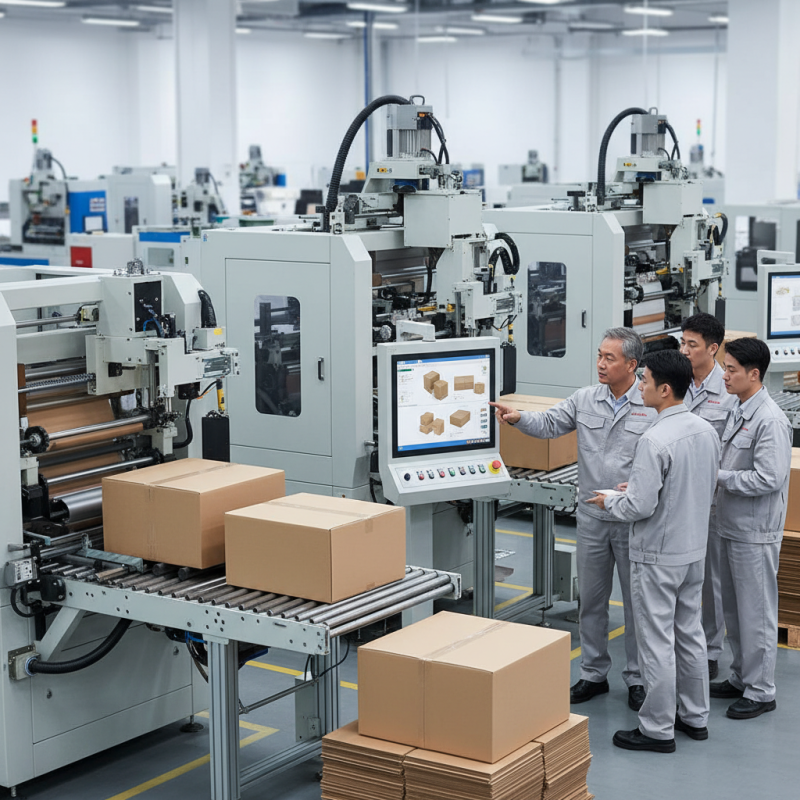
Key Factors to Consider in Rigid Box Machine Selection
When selecting a rigid box machine, consider your production needs. Assess the box sizes you intend to produce. Some machines excel in creating small boxes, while others handle large sizes better. Accuracy is essential. Look for machines that offer precision cutting and folding capabilities. This will reduce material waste and ensure high-quality boxes.
Another key factor is the machine’s speed. Determine your production volume. A faster machine may be necessary for high-demand environments. However, speed should not compromise quality. Observe the machine’s operational consistency over time. Frequent adjustments or breakdowns can lead to delays and increased costs.
Don’t overlook the user interface. Is the machine easy to operate? A complex machine can require extensive training, leading to potential misunderstandings. Consider maintenance requirements as well. Some machines may need more frequent servicing, which can affect production schedules. Prioritize machines that provide user-friendly maintenance options. Reflect on these factors carefully to make the best choice for your needs.
Understanding the Different Types of Rigid Box Machines
Rigid box machines come in various types, each designed for specific purposes. The common types include automatic, semi-automatic, and manual machines. Automatic machines offer speed and efficiency, often producing thousands of boxes per hour. According to a recent report by Smithers Pira, the market for rigid box machinery is projected to grow at a CAGR of 4.2% from 2021 to 2026. This growth indicates increased demand for packaging solutions across multiple sectors, including retail and cosmetics.
Semi-automatic machines, on the other hand, blend efficiency with cost-effectiveness. They require some manual input but can still produce high-quality boxes. Their flexibility makes them a popular choice among small to mid-sized businesses. Manual machines are best suited for artisanal production, allowing for unique designs but offering lower output. A 2022 study highlighted that 35% of packaging companies still rely on manual methods for custom rigid boxes.
The choice of machine should reflect your production needs and business goals. Consider factors like output speed, customization options, and labor costs. Each type of machine has its pros and cons. It's essential to weigh the benefits against potential challenges like maintenance costs and training requirements for staff.
Assessing Production Capacity and Efficiency Requirements
When choosing a rigid box machine, assessing production capacity is crucial. Understanding your output needs ensures the selected machine meets your demands. Calculate the desired hourly or daily production and consider potential growth. This foresight helps in making an informed decision.
Efficiency is another key factor. Evaluate machine speed and operational capabilities. A slower machine might compromise productivity, prompting frustrating delays. Look at automation features and how they can minimize human error. Remember, a more complex machine might require extensive training.
Establish a balance between speed and quality. High capacity isn't always the best choice if it sacrifices precision. Ideal machinery aligns with your specific needs. Invest time in understanding the nuances of each option. Familiarize yourself with different types of rigid box machines. Each option has advantages and drawbacks.
Evaluating Cost-effectiveness and Budget Constraints
When selecting a rigid box machine, cost-effectiveness is crucial. Assessing both price and quality must align with your budget constraints. It’s vital to analyze not just the initial investment. Operational costs can also impact long-term profitability. Consider energy consumption rates and maintenance needs as part of your decision-making process.
High-quality machines may come with a higher price tag. However, they can lead to better efficiency and lower costs over time. It’s important to evaluate the machine’s production speed and capacity. Sometimes, a less expensive option may result in slower production and increased waste. This unexpected complication can affect overall expenses, making it essential to weigh all factors carefully.
Gather data from multiple sources before making a purchase. Consult industry experts or seek out user reviews. Real-world experiences can uncover hidden costs or potential issues that you may not initially see. Balancing cost and quality requires careful thought. Be open to the possibility that the cheapest option isn’t always the best.
Top Tips for Choosing the Right Rigid Box Machine
| Criteria | Description | Estimated Cost (USD) | Notes |
| Machine Speed | Speed of the machine measured in boxes per minute. | $25,000 - $50,000 | Higher speed may lead to increased production efficiency. |
| Box Size Range | Variety of box sizes the machine can handle. | $20,000 - $40,000 | Flexibility for various product dimensions is key. |
| Material Compatibility | Types of materials the machine can process. | $15,000 - $30,000 | Ensure compatibility with your existing materials. |
| Maintenance Costs | Regular upkeep costs associated with machine. | $5,000 - $10,000 annually | Consider the long-term expenses for sustainability. |
| Energy Efficiency | Power consumption and operational energy costs. | Investment varies | Energy-efficient machines may offer long-term savings. |
Importance of After-sales Support and Maintenance Services
When selecting a rigid box machine, after-sales support is crucial. Research shows that over 70% of manufacturers consider ongoing maintenance and support vital to operations. Machines are complex, requiring expertise beyond initial installation. Without proper service, downtime and costly repairs may increase.
An effective support plan should include regular maintenance checks and swift response times. Look for a provider that offers extensive service documentation and training programs. This ensures your team is well-equipped to handle minor issues, reducing dependency on external help. Many manufacturers report a 25% decrease in operational costs when they implement a solid maintenance schedule.
Investing in a quality rigid box machine is just the beginning. Consider the potential hidden costs of inadequate support. Often, cheaper machines lead to higher repair expenses and longer downtimes. This can severely affect production efficiency. Therefore, prioritize a balance between machine capability and reliable after-sales service. Establishing a partnership with the right support team will enhance longevity and effectiveness of your investment.


 English
 Polski
  Čeština