What Is Spirulina Powder and What Is It Used For?
Spirulina Powder is made from dried cyanobacteria, often described commercially as blue-green algae. Its vivid green color can turn a smoothie earthy and slightly marine. The Food and Agriculture Organization’s technical review, A Review on Culture, Production and Use of Spirulina (FAO Fisheries and Aquaculture Circular No. 1034, 2008), discusses its cultivation, processing, and food uses. This offers useful background, but it is not a guarantee that every product has the same composition. Growing conditions and processing matter.
What is it used for? People commonly mix Spirulina Powder into drinks, yogurt, or foods as a concentrated ingredient. Product labels may highlight protein and micronutrients, but nutrient amounts differ by brand and serving size. USDA FoodData Central provides a reference point for food composition; readers should compare its entries with the actual product label rather than assume every powder matches. Small details count. A teaspoon can change a drink’s color and flavor more than expected.
This guide explains what spirulina is, how powder is produced, and why people use it. It also considers nutrition claims, practical ways to add it to food, and questions to ask when choosing a product. “Natural” does not mean risk-free. That assumption is easy to make, and worth reconsidering. Spirulina products can vary in quality, so readers should check ingredient lists and follow current advice from qualified health professionals, especially when managing a health condition or taking medication. The aim is practical clarity, not a promise of benefits.
What Spirulina Powder Is
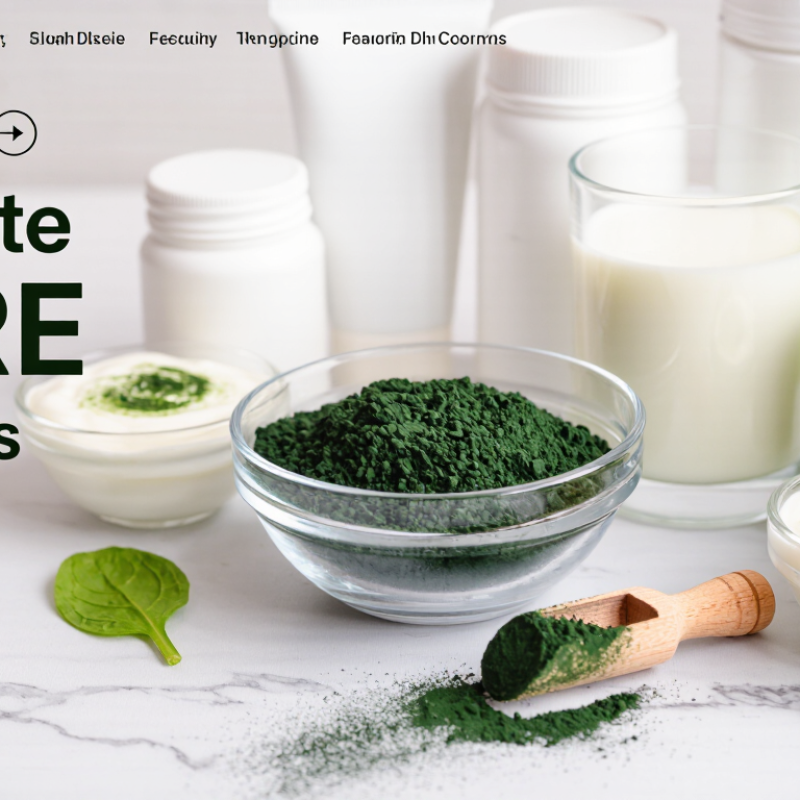
Spirulina powder is dried and finely milled biomass from Arthrospira, a type of blue-green cyanobacterium. It grows in warm, alkaline water and is often called an alga in food and nutrition writing. Not quite a plant. The powder is typically deep green-blue, with an earthy smell and a slightly savory taste. Color and flavor vary with the strain and processing.
A 2008 FAO technical review, Culture, Production and Use of Spirulina as Food for Humans and Feeds for Domestic Animals, reports protein levels of about 55–70% of dry weight. This is a reported range, not a guarantee for every product. Growing conditions, harvesting, and drying can change the final composition. Spirulina is used as a concentrated food ingredient, often stirred into smoothies, soups, or other recipes. Its vivid color can tint a drink green; that detail is easy to underestimate.
Tips: Start with a small amount if you are unfamiliar with its earthy flavor. Check the nutrition panel and serving size, since protein and other nutrient levels vary. If the taste seems too strong, blend it with fruit or add it to a savory dish.
What Is Spirulina Powder and What Is It Used For? — What Spirulina Powder Is
Spirulina powder is dried, ground blue-green algae. This chart shows approximate macronutrient amounts in 100 g of dried spirulina: it is protein-rich, with carbohydrates and fat also present. Values are based on USDA FoodData Central data; fiber is included within total carbohydrates.
Key Nutrients Found in Spirulina Powder
Spirulina powder is made from dried blue-green cyanobacteria, often sold as a fine, deep-green powder. Its nutrient profile includes protein, iron, copper, thiamin, riboflavin, and beta-carotene. The blue pigment phycocyanin is another notable component. Exact amounts vary with growing and processing conditions, so the nutrition label matters. A small spoonful adds nutrients, but it is not a complete meal.
Spirulina can contribute protein, though a typical serving provides only a modest amount. It contains iron, but the body may not absorb it as readily as iron from some animal foods. It should not replace advice from a clinician about low iron. Spirulina is also sometimes promoted as a source of vitamin B12, but much of its B12-like content may not be usable by humans. That detail is easy to miss. Nutrient claims deserve a careful read.
Tips: Stir a small amount into a smoothie or yogurt; its earthy, slightly sea-like taste can stand out. Check that the package lists testing for contaminants, since algae products can vary in quality. Compare serving sizes before judging nutrient amounts. If you take medication or have a health condition, ask a qualified health professional before using it regularly.
Common Uses of Spirulina Powder
Spirulina powder is commonly stirred into smoothies, yogurt, or juice, where its deep green-blue color quickly stands out. The FAO’s 2008 review of spirulina production and use reports protein levels of roughly 60–70% of dry weight. That figure describes the powder, not a typical serving. A small spoonful adds color and a distinctive, savory-earthy taste; it is not a shortcut to a balanced diet.
In everyday cooking, people blend it into smoothie bowls, sprinkle it over popcorn, or mix it into salad dressing. Food manufacturers also use spirulina-derived phycocyanin as a natural blue coloring in some products. The shade can fade with heat, so it is better suited to cool foods. Still, the flavor can be stubborn. A little goes a long way, though preferences vary.
Tips: Start with a quarter teaspoon in a cold smoothie, then adjust for taste. Choose products with clear ingredient and quality-testing information; contamination risks can vary with growing and processing conditions. If you take medication or have a health condition, ask a qualified clinician before using it regularly. Raw powder is not automatically better.
Safety Considerations and Possible Side Effects
Spirulina powder can turn a smoothie deep green, but its concentrated nutrients do not make it suitable for everyone. Some people report nausea, loose stools, headache, or stomach discomfort, especially when they start with a large serving. A small amount may be easier to tolerate. Stop using it and seek medical help for signs of an allergic reaction, such as swelling or trouble breathing.
Product quality matters. Spirulina can be contaminated with toxins from other algae or with heavy metals if it is grown or processed poorly. Choose products with clear testing information from an independent laboratory, though testing cannot remove every risk. People with phenylketonuria should avoid spirulina because it contains phenylalanine. Those with autoimmune conditions, or anyone taking medicines such as warfarin, should ask a healthcare professional before use; nutrient levels and individual risks can vary. Evidence about use during pregnancy and breastfeeding is limited, so getting medical advice is prudent. It is easy to assume a “natural” powder is harmless. That assumption deserves a second look.
What Is Spirulina Powder and What Is It Used For? — Safety Considerations and Possible Side Effects
| Topic | What Is Known | Practical Considerations |
| What it is | Spirulina is a common name for edible blue-green cyanobacteria, often identified as Arthrospira species. It is cultivated and sold in forms such as powder, tablets, and capsules. | Spirulina powder is a concentrated food or dietary supplement, not a medication. |
| How it is used | The powder is commonly mixed into smoothies, drinks, or foods, or taken as a dietary supplement. | Follow the product’s serving directions. A larger serving is not necessarily more beneficial. |
| Nutrient content | Spirulina can provide protein and other nutrients, including iron and pigments such as phycocyanin. The composition varies by product and growing conditions. | Check the nutrition and ingredient information. It should not be assumed to provide a consistent amount of any nutrient. |
| Vitamin B12 | Spirulina is not considered a reliable source of active vitamin B12 for meeting dietary needs; some measured B12-like compounds may not be usable as vitamin B12 by humans. | People who need B12, including many people following vegan diets, should use a reliable, recommended B12 source. |
| Evidence for health benefits | Research has examined possible effects on measures such as blood lipids and blood sugar, but the evidence is not sufficient to treat spirulina as a proven therapy for disease. | Do not replace prescribed treatment or delay medical care in favor of spirulina. |
| Common possible side effects | Some people may experience digestive symptoms, such as nausea, abdominal discomfort, or diarrhea. Headache or allergic reactions have also been reported. | Stop taking it and seek medical advice if symptoms are severe, persistent, or suggest an allergic reaction. |
| Product contamination | Poorly controlled growing or processing conditions can lead to contamination with toxins produced by other cyanobacteria, harmful bacteria, or heavy metals. | Choose products with clear ingredient and quality information and independent testing where available. Quality testing reduces uncertainty but cannot guarantee zero risk. |
| Autoimmune conditions | Spirulina may affect immune activity. Its safety for people with autoimmune diseases is not well established, and it could be unsuitable for some individuals. | Ask a healthcare professional before use if you have an autoimmune condition or take immune-suppressing medication. |
| Phenylketonuria (PKU) | Spirulina contains protein and may contain phenylalanine, an amino acid that people with PKU need to restrict. | People with PKU should avoid using it unless their specialist confirms it fits their prescribed diet. |
| Pregnancy and breastfeeding | There is limited evidence about the safety of spirulina supplements during pregnancy and breastfeeding; contamination is also a concern for supplements generally. | Consult a qualified healthcare professional before using it during pregnancy or while breastfeeding. |
| Medication considerations | Potential interactions may depend on a person’s health conditions and medicines, including medicines that affect immune function or blood clotting. | Discuss regular use with a healthcare professional or pharmacist, especially if you take prescription medication. |
Information is general and does not replace personalized medical advice. Product composition and individual responses can vary.


 English
 Polski
 Čeština