How to Optimize Group Packaging for Global Sourcing Needs?
In today's global marketplace, group packaging has emerged as a critical strategy for optimally managing logistics and supply chain efficiency. A recent report by the World Economic Forum noted that effective packaging can reduce shipping costs by up to 30%. Properly designed group packaging not only minimizes waste but also enhances product protection. This aligns with rising consumer expectations for sustainability and cost-effectiveness.
However, many companies still struggle to implement best practices in group packaging. The challenge lies in balancing the needs of different markets. For example, varying regulations in countries can complicate packaging standards. As of 2022, 60% of companies reported facing difficulties in compliance with international packaging laws. This indicates a gap in knowledge that must be addressed to optimize global sourcing needs.
Investing in innovative packaging solutions can yield significant benefits. Companies that prioritize group packaging can improve their lead times and increase overall customer satisfaction. Yet, the responsibility to adapt and refine packaging strategies must never be overlooked. Engaging in continuous feedback loops can reveal opportunities for growth and improvement in packaging processes.

Understanding the Importance of Group Packaging in Global Sourcing
In global sourcing, group packaging plays a crucial role. It helps businesses optimize logistics and reduce costs. By consolidating shipments, companies can minimize transportation expenses. This method leads to more efficient use of resources. Suppliers often prefer working with fewer shipments, improving their workflow. However, not all companies fully realize its potential.
Consider the environmental impact. Group packaging can reduce waste. Smaller packages often lead to more waste in the long run. A larger, consolidated package can lessen the carbon footprint. Yet, companies may hesitate to shift existing processes. They may fear higher upfront costs or delays in implementation. This is an area worth reevaluating.
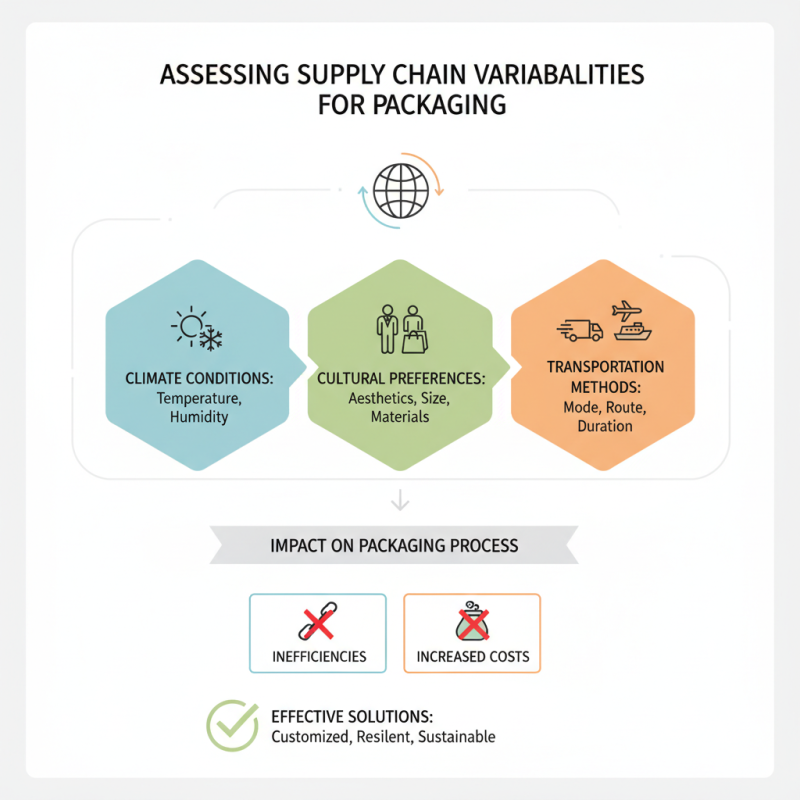
Collaboration is key in this process. Businesses must communicate with suppliers and transporters. Misunderstandings can lead to inefficiencies. Regular feedback can help identify issues. Companies also need to track performance metrics. What works in one region may not work in another. It's essential to adapt strategies to local needs. Thus, while group packaging offers significant benefits, careful planning is necessary for success.
Identifying Key Factors in Optimizing Group Packaging Strategies
Optimizing group packaging strategies requires a deep understanding of various factors. One key factor is material selection. The choice of packaging materials impacts weight, durability, and sustainability. Lighter materials reduce shipping costs but may sacrifice protection. Balancing cost with quality is often challenging.
Another important element is design efficiency. Streamlined packaging designs maximize space and minimize waste. Efficient designs often lead to lower shipping fees. However, creativity can be limited when focusing on efficiency. Companies must grapple with ensuring products are visually appealing while still being practical.
Lastly, collaboration across teams enhances packaging optimization. Engaging marketing, logistics, and production teams can lead to innovative solutions. Yet, differing priorities can create tension. Each department may push for their needs, leading to potential conflicts. Establishing clear communication channels fosters collaboration, but it requires ongoing effort. In the quest for optimization, companies must remain adaptable and willing to assess their strategies regularly.
How to Optimize Group Packaging for Global Sourcing Needs? - Identifying Key Factors in Optimizing Group Packaging Strategies
| Factor |
Description |
Impact on Sourcing |
Rating (1-5) |
| Material Efficiency |
Use of sustainable and efficient materials to reduce waste. |
High |
5 |
| Cost Optimization |
Strategies to minimize packaging costs while maintaining quality. |
Medium |
4 |
| Supply Chain Flexibility |
Ability to adapt packaging to different sourcing requirements. |
High |
5 |
| Regulatory Compliance |
Adherence to international packaging regulations. |
Medium |
4 |
| Technology Integration |
Utilizing advanced technologies for packaging design and logistics. |
High |
5 |
| Consumer Trends |
Incorporating consumer preferences in packaging design. |
Medium |
4 |
Implementing Best Practices for Sustainable Group Packaging
Sustainable group packaging is vital for global sourcing needs. Many companies face challenges in balancing efficiency and environmental impact. Implementing best practices can lead to significant improvements.
One effective method involves using eco-friendly materials. Companies can explore biodegradable and recyclable options. This not only reduces waste but also enhances brand reputation. Another aspect is optimizing package design. Streamlined designs minimize material use without sacrificing protection. Regular assessments of packaging efficiency can reveal hidden inefficiencies.
Collaboration with suppliers is crucial. Open communication can lead to innovative packaging solutions. However, it requires genuine commitment from all parties. Some organizations may struggle with this aspect, highlighting the need for continuous improvement. Embracing these practices not only benefits the environment but can also drive cost savings, fostering a more sustainable future for global sourcing.
Evaluating Cost-Effectiveness and Efficiency in Packaging Designs
Optimizing packaging for global sourcing is crucial for many businesses today. Evaluating cost-effectiveness often requires a deep dive into materials and designs. Packaging choices that seem economical might hide hidden costs. For example, using cheaper materials can lead to increased damage during transit, raising overall costs.
Efficiency is another key factor. Streamlined designs can reduce the volume of materials needed. This not only cuts costs but also minimizes environmental impact. However, many companies overlook the complexity of international shipping. Different regulations across countries can complicate packaging choices. This unpredictability can lead to delays and added expenses.
Testing and feedback are vital. A design that works for one market may not suit another. Seeking insights from logistics teams can reveal unexpected challenges. Continuous evaluation and adaptation can greatly improve overall effectiveness, leading to greater satisfaction for both the business and its customers.
Cost-Effectiveness and Efficiency in Packaging Designs for Global Sourcing








 English
 Polski
  Čeština