What is Molded Packaging and Its Benefits for Products?
Molded packaging has emerged as a vital solution for numerous industries. It offers a unique combination of protection and aesthetics for products. According to Dr. Emily Hart, a leading expert in molded packaging, "Innovative design in molded packaging not only secures products but also enhances brand identity." Her insights highlight the impactful role this packaging type plays in marketing.
The benefits of molded packaging are clear. It provides exceptional cushioning and minimizes product damage during transport. This is crucial for companies aiming to maintain customer satisfaction. Moreover, molded packaging is often made from sustainable materials, aligning with consumer preferences for eco-friendly options. It can be tailored to fit various product shapes, ensuring a snug fit.
Despite its advantages, molded packaging does face challenges. Some industries may find high initial costs off-putting. Additionally, there can be limitations in design flexibility during production. Reflection on these factors is essential for companies considering the transition to molded packaging. Understanding both its pros and cons will help make informed decisions.

Definition of Molded Packaging: Understanding the Concept
Molded packaging refers to a type of protective container made from materials like plastic or foam. It’s custom-formed to fit the shape of the product inside. This ensures a snug fit, greatly reducing movement during transport. According to recent industry reports, molded packaging is becoming increasingly popular, with a growth rate of 5.1% projected annually until 2027.
One of the key benefits of molded packaging is its ability to provide superior protection. Many products, especially fragile items, can be securely encased without the risk of damage. In fact, a study shows that 70% of manufacturers prefer molded options due to the enhanced safety they offer. However, the production process can lead to increased material waste, which is a concern for sustainability.
Moreover, molded packaging can be more expensive to produce compared to traditional options. This can limit its accessibility for smaller businesses. While it offers substantial protection, the initial investment might deter some from adopting it. Balancing cost and efficiency remains a significant challenge in the industry.
Molded Packaging Benefits and Usage Statistics
This chart illustrates the distribution of molded packaging usage across various industries and its benefits in terms of efficiency and sustainability.
Types of Molded Packaging Materials and Their Uses
Molded packaging is an innovative solution for various products. It includes materials like expanded polystyrene (EPS), molded pulp, and plastic. Each type serves different needs in the packaging industry.
Expanded polystyrene is lightweight and shock-absorbent. It's often used in electronics and fragile items. However, its environmental impact raises concerns. Molded pulp, made from recycled paper, is biodegradable and used for food packaging. Yet, its durability can sometimes fall short. Plastic molded packaging is popular due to its versatility. It's found in cosmetics and household items, but disposal issues persist.
Choosing the right material requires careful consideration. Each type has strengths and weaknesses. The balance between protection and environmental impact is a challenge. Understanding the uses and limitations of molded packaging can lead to better decisions.
What is Molded Packaging and Its Benefits for Products? - Types of Molded Packaging Materials and Their Uses
| Type of Molded Packaging |
Material |
Benefits |
Common Uses |
| Thermoformed Packaging |
Plastic (e.g., PET, PVC) |
Lightweight, customizable, moisture resistant |
Food containers, electronic components |
| Injection Molded Packaging |
Plastic (e.g., polypropylene, polystyrene) |
Durable, high precision, excellent structural integrity |
Bottles, containers, parts for appliances |
| Blow Molded Packaging |
Plastic (e.g., HDPE, PET) |
Creates hollow parts, flexible design, cost-effective for large volumes |
Beverage containers, automotive components |
| Vacuum Formed Packaging |
Plastic sheets (e.g., PVC, PETG) |
Great visibility, secure fit for products, reduces waste |
Retail packaging, medical supplies |
Advantages of Molded Packaging for Product Protection
Molded packaging is designed to cradle products securely. It is made from various materials like paper pulp or plastics. These packages come in unique shapes, tailored to fit specific items. This design minimizes movement during transit. A snug fit reduces the likelihood of damage.
One major advantage is shock absorption. When a packaged product encounters rough handling, molded packaging can absorb the impact. Therefore, fragile items benefit significantly. Additionally, this packaging is lightweight, which can lower shipping costs. However, it may require careful selection of materials to be truly eco-friendly.
While molded packaging offers many benefits, it is not without challenges. Sometimes, molds can be expensive to produce. There is also a learning curve in finding the right design for each product. A wrongly designed package can lead to inadequate protection. Striking the right balance is essential, and companies must remain adaptive.
Sustainability Aspects of Molded Packaging Solutions
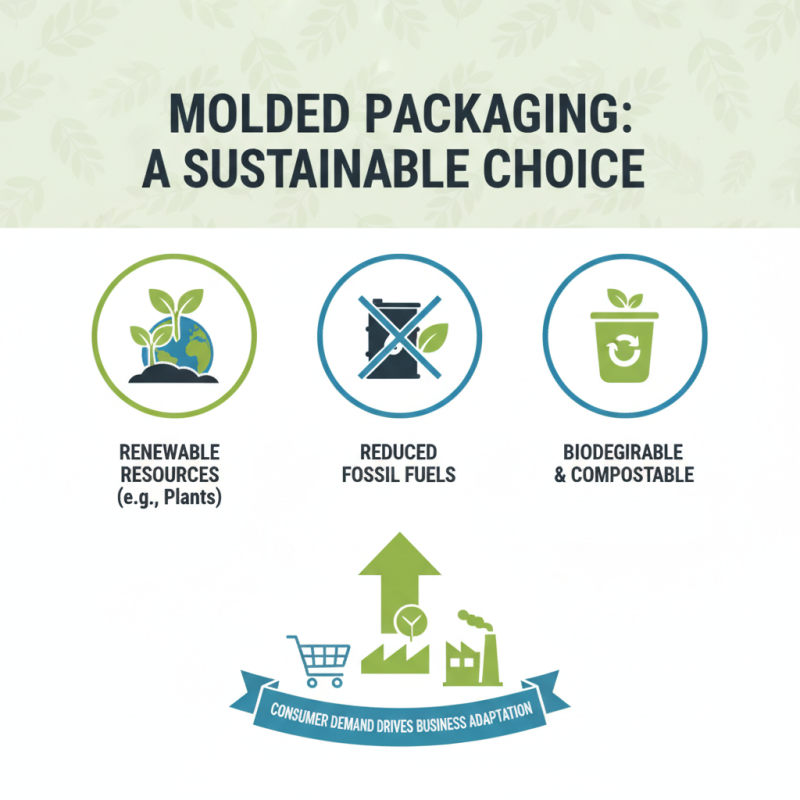
Molded packaging is increasingly seen as a sustainable choice for product packaging. It is made from renewable resources, such as plants. This reduces reliance on fossil fuels. The biodegradable nature of molded packaging is appealing more than ever. As consumer awareness of environmental issues grows, businesses are adapting.
When considering sustainability, businesses should weigh their options carefully. Molded packaging can minimize waste during production. It can also be composted at the end of its life cycle. However, not all molded packaging is created equal. It is essential to choose materials that align with sustainability goals.
Tips for using molded packaging include ensuring proper composting methods. Research local compost facilities that accept these materials. Avoid coatings that may hinder biodegradability. For companies, investing in molded solutions provides a competitive edge. It shows commitment to sustainability. However, consider balancing aesthetics with eco-friendliness. Always assess the potential trade-offs involved. This will help make informed choices for a greener future.
Applications of Molded Packaging Across Various Industries
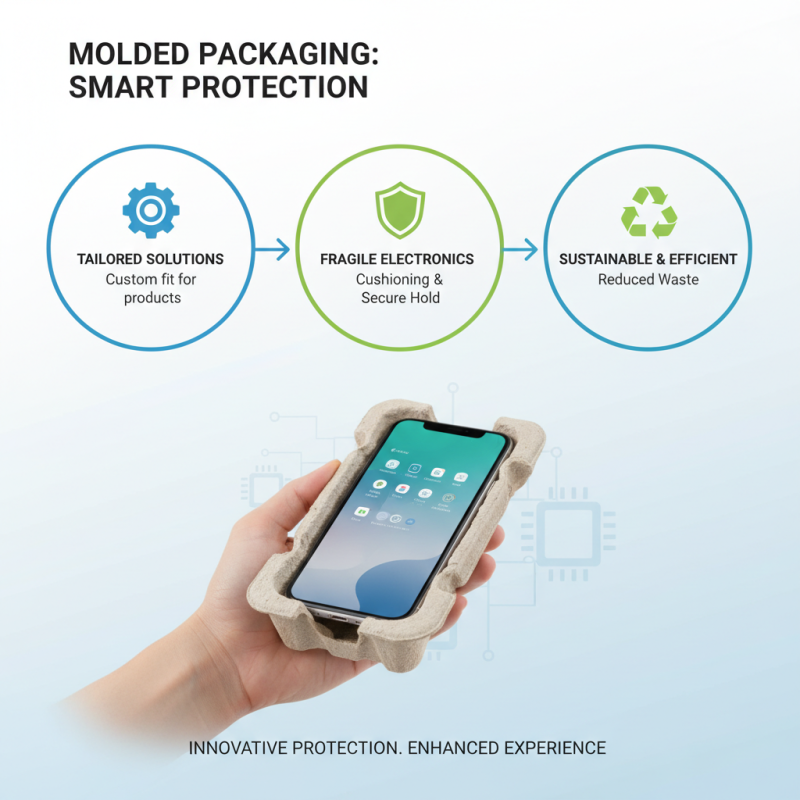
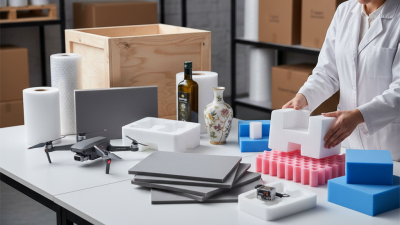
Molded packaging is gaining traction in various industries. It offers tailored solutions to protect and present products effectively. For example, in the electronics sector, molded packaging provides cushioning to fragile items. It holds them securely during transport. This prevents damage and enhances the overall customer experience.
The food industry also benefits significantly from molded packaging. It keeps products fresh and extends shelf life. Additionally, molded trays and containers are designed to minimize waste. They fit snugly around food items, ensuring maximum protection. Molded packaging can be recycled, aligning with sustainability goals.
While molded packaging shows promise, it is not flawless. Some users report difficulties in the disposal process. If not recycled properly, it can contribute to waste issues. The manufacturing process also requires energy, raising environmental concerns. Nevertheless, innovators continue to explore ways to improve its efficiency and sustainability.




 English
 Polski
  Čeština