What is Medical Device Packaging Trends and Innovations in 2026
The landscape of medical device packaging is evolving rapidly. As we approach 2026, several key trends are emerging. Innovations focus on safety, sustainability, and efficiency. These factors are critical for complying with industry regulations.
Companies are investing in smart packaging solutions. These materials can communicate with devices, ensuring better user safety. They allow manufacturers to track products throughout their lifecycle. However, challenges remain. Not all innovations are practical or affordable for smaller companies.
Sustainability is another pressing concern. The push for eco-friendly materials has led to fascinating developments. Some packaging is now biodegradable, creating a new benchmark. Yet, it often raises questions about durability and effectiveness in maintaining sterility. The balance of cost and function is still not perfect, leaving room for improvement.
Emerging Materials in Medical Device Packaging Innovations for 2026
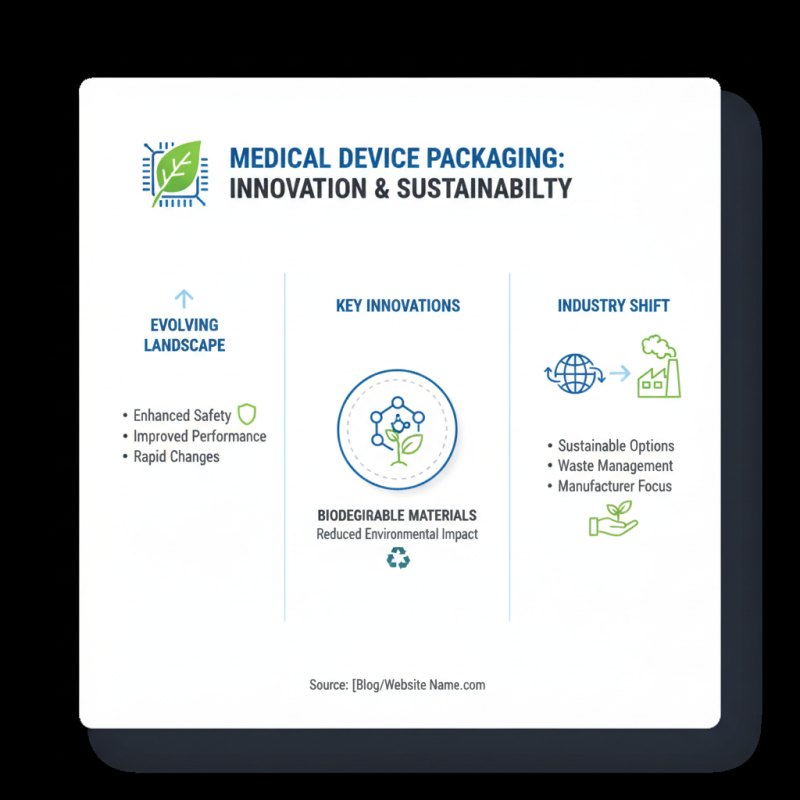
The medical device packaging landscape is rapidly evolving. Key innovations are emerging in materials designed to enhance safety and performance. Biodegradable materials are gaining traction. These materials reduce environmental impact. Manufacturers are increasingly seeking sustainable options. This shift reflects growing concerns about waste management.
In addition to sustainability, new polymer blends are being developed. These materials offer improved barrier properties, protecting devices from moisture and contaminants. Such advancements ensure longevity and efficacy. Moreover, non-toxic coatings are becoming popular. They enhance user safety without compromising integrity.
However, challenges remain in standardization and performance testing. Not all new materials have undergone rigorous assessments. This could lead to unforeseen issues. Manufacturers must remain vigilant. Ongoing evaluation is critical for the adoption of these innovative materials. Stakeholders in the industry need to collaborate to address these complexities.
Sustainable Packaging Practices in the Medical Device Industry by 2026
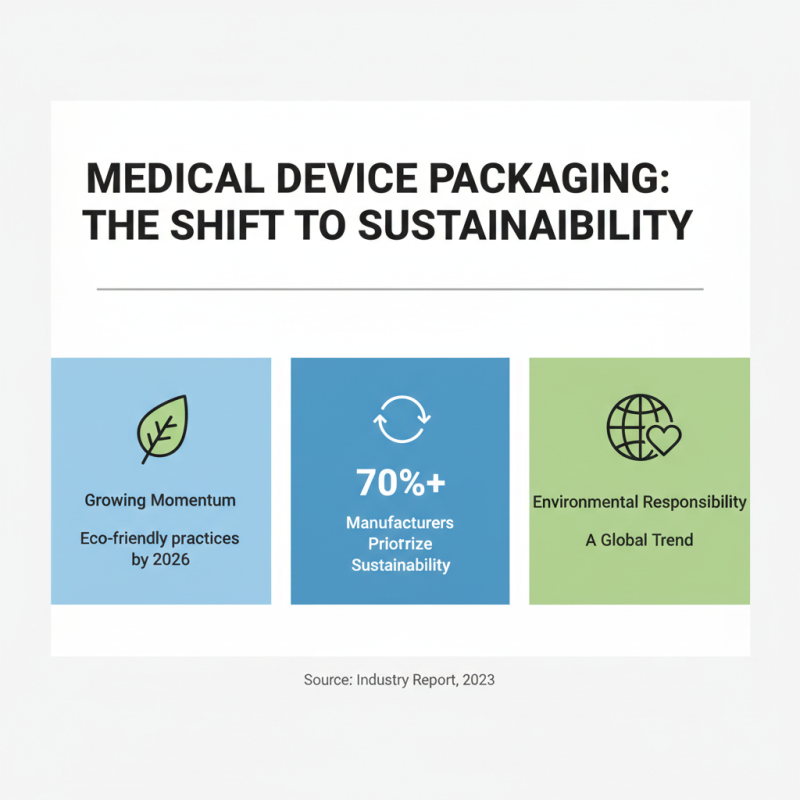
Sustainable packaging in the medical device industry is gaining momentum. By 2026, eco-friendly practices are expected to define packaging trends. A recent report revealed that over 70% of manufacturers prioritize sustainability in their packaging choices. This shift reflects a broader recognition of environmental responsibility.
Biodegradable materials and recyclable options are becoming commonplace. Medical device companies are exploring innovative approaches. For instance, materials like plant-based polymers are making strides. These options not only reduce waste but also maintain product integrity. However, challenges remain. Many manufacturers still rely on traditional materials.
Consumer expectations are changing as well. Patients increasingly demand sustainable choices. A survey indicated that 35% of consumers prefer products with eco-friendly packaging. Yet, some firms struggle to balance cost and sustainability. Navigating industry regulations complicates the transition. It's a complex landscape, but the drive for sustainable packaging is undeniable.
Technological Advances Driving Medical Device Packaging Efficiency
In 2026, the landscape of medical device packaging is vastly changing. Technology plays a pivotal role in this evolution. Innovations are primarily focused on enhancing efficiency and maintaining product integrity. For instance, smart packaging solutions are emerging. These incorporate sensors and RFID technology to monitor environmental conditions in real-time. Such advancements help ensure compliance with safety regulations and improve supply chain visibility.
Data indicates that the global smart packaging market is projected to reach $41 billion by 2027, growing at a CAGR of 6.8%. This growth reflects the increasing demand for advanced materials that can offer better protection and increased shelf life. Additionally, sustainable packaging options are gaining traction. A report suggests that 35% of medical device companies plan to shift towards biodegradable materials by 2026. This trend aims to reduce environmental impact while addressing regulatory pressures.
However, challenges remain. Many companies struggle with the integration of new technologies into existing systems. Compatibility issues and high costs can hinder progress. Moreover, the rapid pace of change can lead to mistakes in packaging design. Continuous learning and adaptation are essential for overcoming these obstacles and fully realizing the potential of these innovations.
Medical Device Packaging Trends and Innovations in 2026
The following bar chart illustrates the projected growth in various innovations and trends in medical device packaging by 2026, with a focus on sustainability, efficiency, and technology integration.
Regulatory Changes Impacting Medical Device Packaging Trends in 2026
In 2026, medical device packaging will face significant changes due to evolving regulatory standards. Many packaging solutions must meet stricter requirements. These regulations will emphasize patient safety and product integrity. Companies need to adapt to this shift or risk non-compliance.
One area of focus will be sustainability. Regulations may push suppliers toward eco-friendly materials. This creates an opportunity, but challenges remain in sourcing these materials. Cost and availability could hinder progress. Additionally, meeting guidance on material safety is vital. Companies must ensure that sustainable options do not compromise product quality.
Innovations in packaging technologies will also play a role. Smart packaging solutions are becoming increasingly important. They can provide real-time monitoring of conditions. However, scalability remains a challenge. Many devices are not yet equipped for such advancements. The industry will need collective effort to integrate these technologies effectively.
User-Centric Design in Medical Device Packaging Innovations for 2026
In 2026, user-centric design will lead the way in medical device packaging innovations. The focus will shift towards creating packaging that is both functional and easy for patients to interact with. Designers will prioritize easy-to-open features, ensuring patients can manage their own care efficiently. This approach enhances patient independence and reduces frustration during critical moments.
Tips: Consider involving patients in the design process. Their feedback can reveal valuable insights. Conducting usability tests can also help identify pain points in existing designs. Remember, the goal is to make medical devices accessible.
Furthermore, sustainable materials will gain importance in packaging design. With growing awareness, many will demand eco-friendly options. However, achieving balance is challenging. Packaging must protect the device while being environmentally responsible. This tension warrants ongoing evaluation and innovation.
Tips: Evaluate new materials that maintain integrity while reducing environmental impact. Stay informed on advancements in technology that aid in this quest. Engaging in inter-disciplinary teams can foster creative solutions. Collaboration might inspire breakthroughs in user-centric designs.
Medical Device Packaging Trends and Innovations in 2026
| Feature |
Description |
Expected Impact |
Implementation Timeline |
| Sustainable Materials |
Focus on bio-degradable and recyclable materials for packaging. |
Reduce environmental impact and enhance brand image. |
2025-2026 |
| Smart Packaging |
Integration of IoT devices for real-time monitoring. |
Improved product safety and patient outcomes. |
2026 |
| User-Centric Design |
Designing packaging with the end-user in mind, focusing on usability. |
Enhanced user experience and adherence to medical devices. |
2025-2026 |
| Minimalist Packaging |
Reduction of excess packaging materials while ensuring safety. |
Cost savings and reduced waste. |
2026 |
| Enhanced Security Features |
Use of tamper-evident seals and security labels. |
Increase in consumer trust and product integrity. |
2025 |







 English
 Polski
  Čeština