What is a Gooseneck Trailer and How is it Used?
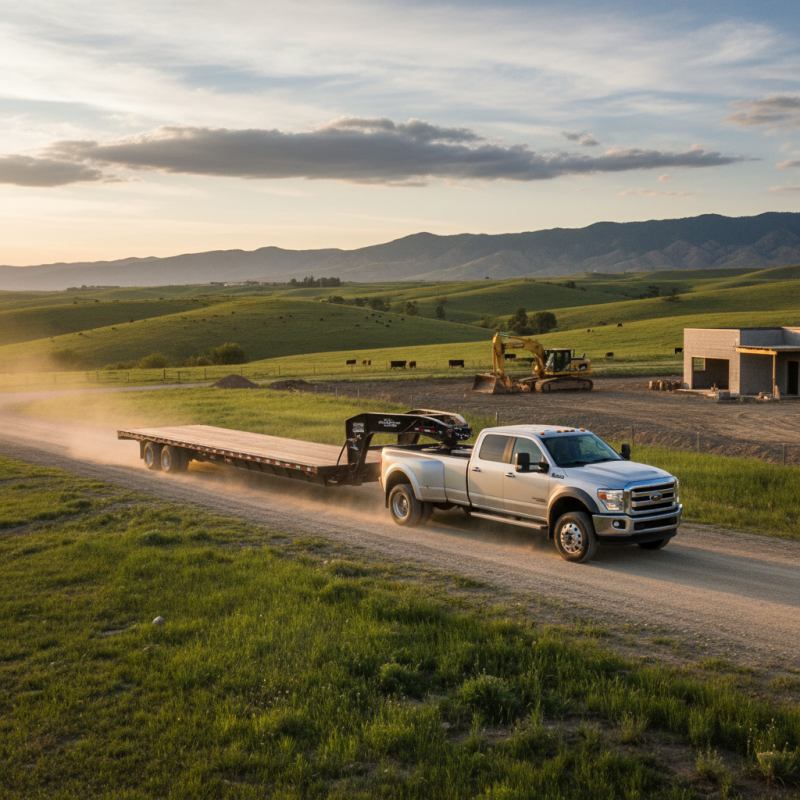
A Gooseneck Trailer is a specialized type of trailer designed for heavy hauling. These trailers feature a distinct hitch design that connects over the truck's rear axle. This connection allows for better weight distribution and increased stability while towing.
Commonly used in agricultural, construction, and recreational settings, a Gooseneck Trailer can transport large equipment or livestock. However, operating these trailers requires skill and caution. Improper loading can lead to swaying or instability. Drivers must be aware of their surroundings.
Many may wonder about the advantages of a Gooseneck Trailer compared to other options. It offers greater payload capacity and versatility. Yet, it can also present challenges. For instance, finding the right truck to tow a Gooseneck can be tricky. Overall, understanding its uses is key to making informed decisions.
What is a Gooseneck Trailer?
A gooseneck trailer is a versatile type of towing trailer. Unlike a standard hitch, it connects to a truck's bed via a coupler. This design allows for better weight distribution. As a result, it can carry heavier loads more safely. Gooseneck trailers are popular among farmers and construction workers. They transport livestock, equipment, and materials.
When selecting a gooseneck trailer, consider your needs carefully. The size and weight capacity are crucial factors. Ensure your truck can handle the rigging and weight. Think about the type of cargo you will carry. For instance, a flatbed design offers easy loading for large items. On the other hand, enclosed models protect your cargo from weather.
Tips: Always double-check the connections before hitting the road. Secure your load with straps or ties. A loose load can lead to accidents. Take the time to practice maneuvering with the trailer attached. It can be tricky, especially in tight spaces. Be mindful while turning. The swing of the trailer can surprise you, causing potential damage.
Design Features of Gooseneck Trailers
Gooseneck trailers are known for their unique design features. They connect to a truck bed via a gooseneck hitch. This design provides enhanced stability and load capacity. A report from the Trailer Manufacturers Association states that these trailers can handle weights up to 30,000 pounds. This weight capacity makes them ideal for transporting heavy equipment.
The structure of a gooseneck trailer involves a long neck that extends over the truck. This feature allows for better weight distribution. Unlike traditional trailers, the weight is transferred directly to the truck's rear axle. As a result, less sway occurs while driving. However, not all drivers are comfortable with this setup. Some find the maneuverability challenging.
Additionally, gooseneck trailers often come with various payload options. Many models feature ramps for easy loading. Others include enclosed designs for better protection during transport. Yet, choosing the right model can be overwhelming. Buyers must consider their specific needs and vehicle compatibility. Making an informed decision requires thorough research and understanding of the trailer's specifications. This complexity is often a point of contention in discussions among users and experts alike.
Common Uses of Gooseneck Trailers
Gooseneck trailers are widely used in various industries. They have a unique hitch design, which enhances stability while hauling heavy loads. This makes them ideal for transporting livestock, heavy equipment, and even automobiles. Many farmers choose gooseneck trailers for moving livestock to market. They provide sufficient space and comfort during transport.
In construction, gooseneck trailers carry machinery like excavators and bulldozers. Their ability to handle heavy weights reduces downtime on job sites. Additionally, gooseneck trailers are often used for recreational purposes. Some people use them to haul boats or RVs. It’s a practical solution for outdoor enthusiasts who enjoy camping.
However, not all gooseneck trailers fit every need. Some may find them too large or cumbersome. It's essential to assess specific requirements before purchasing. Reflecting on the purpose of use will help in making a better decision. The versatility of gooseneck trailers is undeniable, but potential buyers should do their homework.
Advantages of Using a Gooseneck Trailer
Gooseneck trailers are designed for heavy hauling. They connect to a truck with a gooseneck hitch, providing stability and a larger payload. This design allows for more weight distribution. The trailer can carry equipment, livestock, or heavy machinery.
One advantage of using a gooseneck trailer is its increased hauling capacity. It often carries more weight than standard trailers. The stability offered by the hitch enhances safety on the road. This can be crucial when transporting expensive or heavy items.
Tips: When loading the trailer, distribute weight evenly. Overloading can lead to swaying or losing control. Always check the weight limit before heading out.
Another benefit is versatility. Gooseneck trailers are available in various sizes. This allows you to choose one that fits your needs. For example, choose a flatbed for easy loading or a closed trailer for protection from the weather. But, ensure you’re familiar with what you need before buying.
Ultimately, using a gooseneck trailer can simplify large hauling tasks. You will reduce trips to your destination. Just remember to keep safety in mind at all times. Regular maintenance is also important to avoid unexpected issues.
Gooseneck Trailer Benefits Overview
Tips for Safely Towing a Gooseneck Trailer
Towing a gooseneck trailer can be a rewarding experience, but safety should always come first. A report from the Federal Motor Carrier Safety Administration (FMCSA) states that properly securing your load is essential. Over 60% of trailer accidents happen due to improper loading or unsecured cargo. This emphasizes the need for vigilance.
Ensure your connection harness between the truck and trailer is firmly attached. The hitch should be checked regularly for wear and tear. Inspecting your tires is also crucial. Studies show that 80% of tire blowouts occur from insufficient maintenance. A simple pre-trip inspection can save you from significant mishaps.
Driving behavior matters as well. Keep speeds reasonable, especially in adverse weather. Remember, your stopping distance will increase with a heavy load. Avoid sudden movements. Use smoother acceleration and braking to maintain control. Inexperienced drivers often underestimate the effect of weight on maneuverability. Reflect on your driving techniques regularly to stay safe on the road.
What is a Gooseneck Trailer and How is it Used? - Tips for Safely Towing a Gooseneck Trailer
| Feature | Description |
| Design | Gooseneck trailers have a long neck that extends over the truck bed, providing better weight distribution. |
| Capacity | They can typically carry heavy loads, ranging from 10,000 to 30,000 pounds, depending on the model. |
| Common Uses | Often used for transporting livestock, equipment, and heavy machinery. |
| Towing Vehicle | Requires a pickup truck with a gooseneck hitch installed in its bed. |
| Safety Tips | Always check the weight limits, secure the load properly, and make sure the trailer is well maintained. |
| Maneuverability | Gooseneck trailers offer improved turning radius compared to bumper-pull trailers. |


 English
 Polski
  Čeština