How to Effectively Use Group Packaging for Your Business Needs?
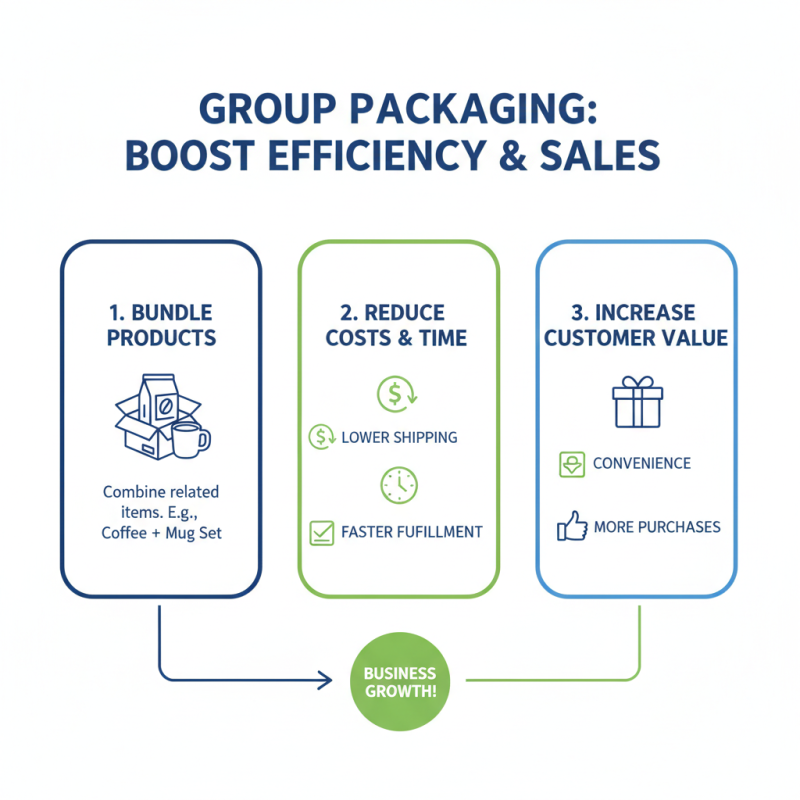
In today's competitive market, businesses must find innovative ways to enhance their operations. Group packaging is one such method. It streamlines processes and improves customer satisfaction. When done correctly, group packaging can save time and reduce costs. It also creates attractive offerings that grab attention.
However, not all companies utilize group packaging effectively. Some struggle with design choices or fail to understand their audience. A poorly executed strategy can lead to wasted resources and missed opportunities. Businesses must closely analyze their needs before implementing this approach.
Successful group packaging requires thoughtful planning. Understanding product compatibility is crucial. Companies should also consider sustainability. These aspects can significantly impact overall effectiveness. The key is to remain flexible and adjust the strategy as needed.
Effective Group Packaging: Understanding Industry Standards and Practices
Effective group packaging plays a critical role in various industries. It ensures that products are not only safe but also appealing. Understanding industry standards is a key part of this process. Each sector has its own rules around materials, labeling, and environmental impact. Ignoring these can lead to compliance issues.
Many businesses struggle with choosing the right packaging materials. Some may prefer cost-effective options, while others focus on sustainability. However, it's essential to balance both. Using cheap materials can compromise product integrity. Over time, this might damage your brand’s reputation. Consider the target market when making these choices, as preferences can vary widely.
Moreover, group packaging should cater to logistics and storage needs. Miscalculations in size or weight can lead to higher shipping costs. It's frustrating to face these issues after the packaging is already done. Regular audits of packaging solutions can help identify areas for improvement. This process fosters innovation but requires a commitment to refining practices.
Effectiveness of Group Packaging Types in Business
Analyzing the Cost Benefits of Group Packaging for Businesses
In today's competitive market, businesses must explore innovative solutions to cut costs. One effective strategy is group packaging. This approach consolidates products into fewer, larger packages, significantly improving efficiency. According to a recent study by the Packaging Institute, group packaging can reduce overall packaging costs by up to 30%. This substantial saving is appealing for businesses looking to optimize their operations.
However, group packaging isn't without challenges. It may lead to increased shipping costs if not managed properly. Companies must also consider the impact on inventory management. For instance, a smaller variety of packages can complicate stock rotation. Balancing cost savings with operational efficiency requires careful planning and execution. The right approach can yield benefits, but businesses must avoid hasty decisions that jeopardize quality.
Another key consideration is customer perception. While group packaging simplifies logistics, it could make products less appealing. A report from the Consumer Packaging Association highlights that 47% of consumers prefer appealing individual packaging. Businesses need to ensure that group packaging still meets aesthetic and functional expectations. This balance is crucial for maintaining customer loyalty and satisfaction.
Evaluating Customer Perceptions on Group Packaging Solutions
When evaluating customer perceptions on group packaging solutions, it's essential to focus on how consumers view value. Many customers appreciate bulk buying options. They often find them practical and economical. However, some may perceive group packaging as wasteful or excessive. Understanding these mixed feelings can be critical for businesses.
Tips: Encourage customers to share their thoughts on group packaging. Create surveys that capture their opinions. This feedback may highlight areas for improvement in your offerings.
Moreover, customers value sustainability. Group packaging can come across as a green initiative if done right. However, if the packaging is not recyclable, it may lead to negative perceptions. Finding the right balance between quantity and environmental responsibility is crucial.
Tips: Use eco-friendly materials for packaging. Clearly state their benefits to customers. Transparent communication can build trust and enhance your brand image.
How to Effectively Use Group Packaging for Your Business Needs?
| Customer Segment |
Perceived Value |
Preference for Group Packaging |
Sustainability Considerations |
Purchase Intent |
| Small Businesses |
High |
75% |
Very Important |
60% |
| Retail Consumers |
Medium |
65% |
Important |
50% |
| Corporate Clients |
Very High |
85% |
Critical |
70% |
| Eco-conscious Consumers |
High |
90% |
Essential |
80% |
| Online Shoppers |
Medium |
55% |
Moderate |
40% |
Measuring the Environmental Impact of Group Packaging in Supply Chains
Group packaging has become an essential strategy in modern supply chains. However, it brings significant environmental implications. Research indicates that efficient group packaging can reduce material waste by up to 30%. This reduction is vital in combatting global plastic pollution. Yet, businesses must be cautious about their packaging choices. Not all group packaging solutions are eco-friendly.
The Carbon Trust reported that packaging accounts for nearly 60% of the lifecycle carbon emissions of certain products. Many companies overlook this aspect while implementing group packaging. They often opt for the cheapest solutions without considering their long-term impact. This short-sightedness can lead to significant environmental risks. For instance, using biodegradable materials may cost more upfront, yet it can yield sustainability rewards later.
Moreover, consumers are increasingly aware of packaging's environmental impact. A survey found that 73% of shoppers prefer brands that use sustainable packaging. The demand for greener practices continues to rise. Businesses that ignore these trends may fall behind. They need to rethink their strategies and invest in better solutions. The balance between cost and sustainability is often difficult, but it is necessary for a better future.









 English
 Polski
  Čeština