How to Ensure Effective Medical Device Packaging for Safety and Compliance?
In the realm of medical device packaging, safety and compliance are pivotal. Dr. Emily Carter, a renowned expert in medical device packaging, emphasizes, “Effective packaging prevents contamination and safeguards patient safety.” Her words underline the critical nature of this industry.
Packaging not only protects devices but also ensures they meet regulatory standards. A well-designed package can prevent damage during transportation. However, many companies overlook the nuances of compliance. They may focus on aesthetics instead of functionality. This can lead to safety risks.
Effective medical device packaging involves careful selection of materials and design. Companies need to conduct risk assessments regularly. It’s crucial to evaluate how packaging impacts the device’s integrity. Failure to prioritize these aspects can hinder patient safety. A reflective approach may save lives and enhance compliance.
Understanding Regulatory Standards for Medical Device Packaging
Ensuring compliance in medical device packaging starts with a thorough understanding of regulatory standards. The U.S. Food and Drug Administration (FDA) mandates specific criteria for packaging materials and processes. Non-compliance can lead to significant risks, including product recalls. In fact, studies show that 20% of recalls are attributed to packaging failures. These failures often originate from insufficient barrier properties or inadequate sterilization processes.
The ISO 11607 standard is critical for validating packaging systems used for terminally sterilized medical devices. This standard provides guidelines for both the design and performance of packaging, emphasizing sterility maintenance until the point of use. A recent report highlighted that 25% of companies misinterpret these requirements. They either fail to conduct comprehensive testing or overlook the importance of risk assessments during the development phase.
Effective packaging must also consider user convenience. Poorly designed packaging can lead to user frustration or misuse, potentially jeopardizing safety. According to industry analyses, around 30% of medical professionals reported difficulties in opening devices due to inadequate packaging design. Thus, bridging the gap between compliance and usability is essential. Reflecting on these areas can enhance both safety and regulatory adherence.
Key Considerations in Material Selection for Safety and Compliance
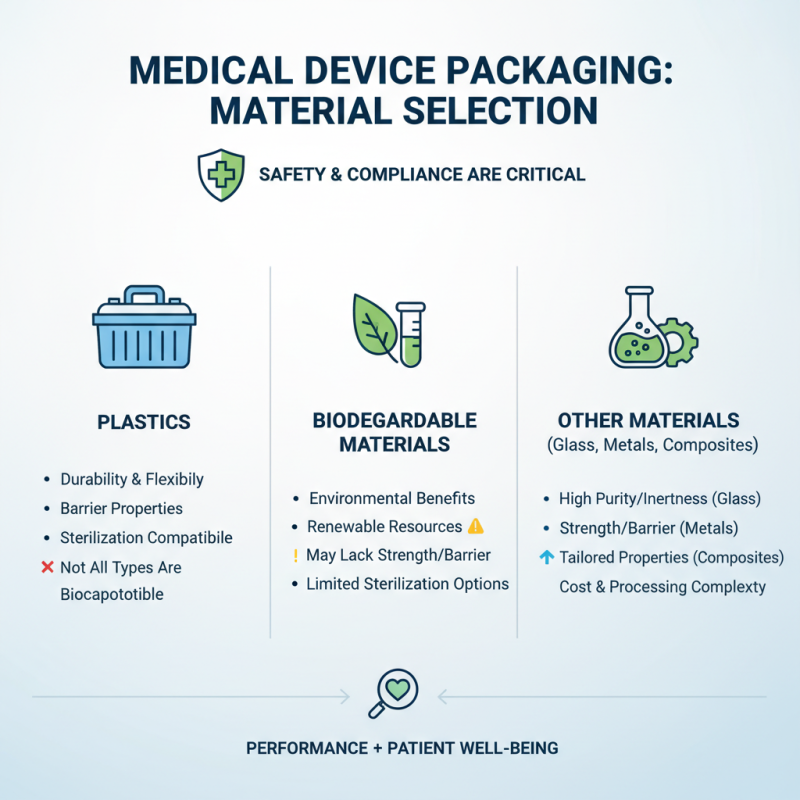
Material selection for medical device packaging is critical for safety and compliance. Different materials have unique properties that can influence the product’s integrity. For instance, plastics may provide durability, but not all are suitable for medical use. Choosing biodegradable materials can be beneficial, yet they might lack the required strength.
Regulatory guidelines often dictate acceptable materials. However, manufacturers sometimes overlook these standards. A common error is using materials that are not sterilizable. This can lead to contamination during usage. Conducting thorough testing is essential but often neglected in the early stages. Many companies rush to market, prioritizing speed over compliance.
Another key aspect is the barrier properties of the packaging. The materials should protect against moisture and oxygen. Compromises may happen when budget constraints arise. Yet, poor choices can jeopardize patient safety. It's vital to create a balance between cost and quality. Continuous evaluation of packaging materials is necessary, not just during initial selection.
Design Strategies to Enhance Protection and Usability in Packaging
Effective medical device packaging is pivotal for ensuring safety and compliance. Design strategies need to focus on enhancing protection while maintaining usability. Reports indicate that over 30% of device failures stem from inadequate packaging. This underscores the importance of robust materials and innovative designs.
Using biodegradable materials fosters sustainability, but can sometimes compromise protection. For instance, while paper-based packaging can reduce waste, it might not withstand moisture as well as plastic. Designers must find a balance between environmental impact and product safety. Incorporating user feedback can also help to identify usability issues. A study found that 25% of medical professionals encountered difficulties with current packaging solutions.
Ergonomic features in packaging improve handling. Easy-open designs and clear labeling are essential for swift access during emergencies. However, many packaging designs still fail to consider the end-user’s experience. Creating prototypes and testing them in real-world scenarios can reveal unforeseen challenges. This iterative process is crucial for compliance and user satisfaction.
Testing and Validation Processes for Medical Device Packaging
Testing and validation are crucial steps in medical device packaging. These processes ensure that the packaging maintains product integrity throughout its lifecycle. Common tests include stress testing, environmental exposure, and sterilization validation. Each test reveals potential weaknesses in packaging design. For instance, a simple drop test might show vulnerabilities in material or sealing performance.
Another aspect to consider is user feedback. End users often provide insights into how packaging performs in real-world scenarios. A packaging solution might pass technical tests but still fail to meet practical needs. For example, a box may withstand pressure yet be difficult to open. Listening to user experiences can shed light on these imperfections.
Packaging validation should also involve regulatory compliance checks. Different regions have varying requirements. It's easy to overlook these details during design. This oversight can lead to delays or product recalls. Continuous review of both packaging designs and testing methods is essential. Only then can we achieve effective and compliant medical device packaging.
Medical Device Packaging Testing Results
This bar chart illustrates the testing pass rates for various critical aspects of medical device packaging. Ensuring high pass rates in these areas is essential for compliance and patient safety.
Best Practices for Labeling and Instructions for Use in Compliance
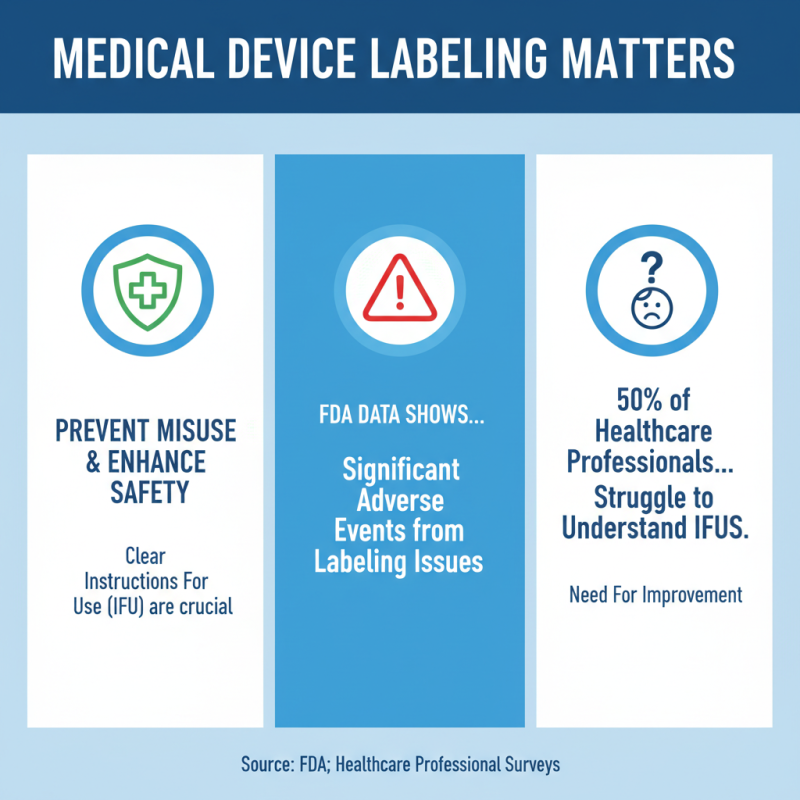
Effective labeling and instructions for use (IFU) are crucial for medical device packaging. Clear communication can prevent misuse and enhance patient safety. Data from the FDA shows that a significant percentage of adverse events arise from labeling issues. Statistics indicate that about 50% of healthcare professionals admit to having difficulty understanding IFUs, highlighting a need for improvement.
When creating labels, clarity is key. Use large fonts and simple language. Visual aids can help bridge language barriers. Limit technical jargon. Consider including pictograms to convey essential information quickly. For instance, if a device requires specific storage conditions, a simple icon can effectively communicate this.
Tips for successful labeling: Focus on user-friendly design. Test your labels with actual users. Gather feedback and refine as necessary. Regularly review compliance guidelines. Regulations can change, so staying updated is vital. Remember, even minor label mistakes can lead to serious consequences. Continuous improvement and attention to detail in labeling and IFUs can significantly enhance safety and compliance in the medical device industry.









 English
 Polski
  Čeština