What is Crating Packaging and Its Importance in Shipping?
Crating packaging plays a crucial role in the shipping industry. It involves using wooden crates or boxes to protect items during transit. This method is not just about aesthetics; it ensures the safety and integrity of products. Proper crating packaging reduces damage risks significantly. It keeps items secure, even during rough handling.
Many businesses overlook the importance of proper crating packaging. They may opt for cheaper alternatives but face higher costs in damaged goods. A well-constructed crate can absorb shocks and prevent movement, safeguarding valuable items. It is vital for fragile or sensitive goods like electronics and glassware.
Investing in quality crating packaging is essential for building customer trust. However, some shippers struggle with the costs and complexities involved. Missteps in packaging can lead to delays and unsatisfied customers. Thus, continuous improvement in crating packaging practices is necessary. Balancing cost and protection remains a challenge for many in logistics.
What is Crating Packaging?
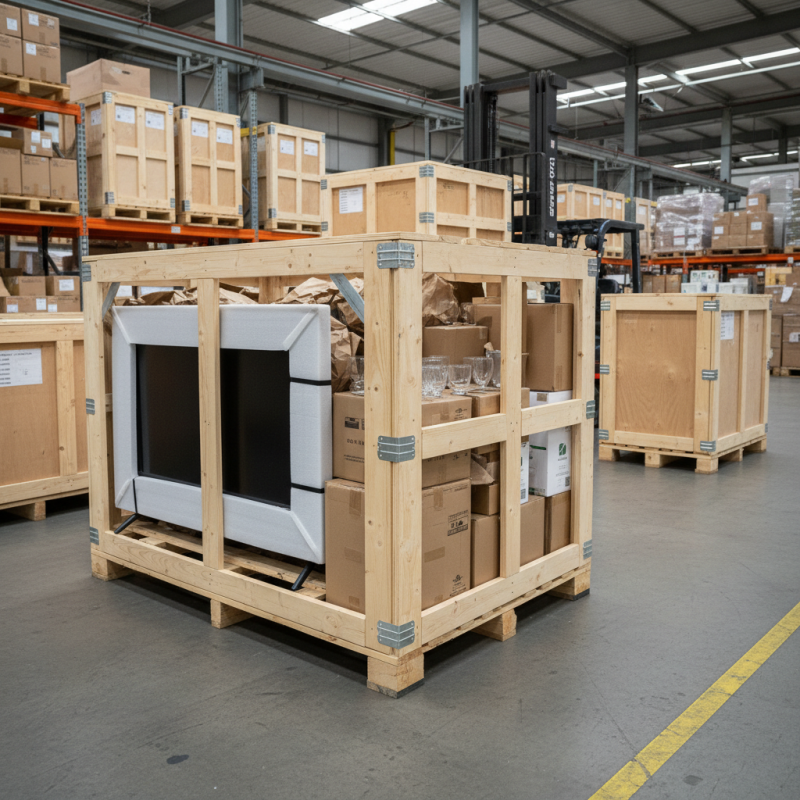
Crating packaging refers to the use of wooden crates to secure and transport goods. These crates are custom-built to fit the items they carry. They provide a sturdy barrier against physical damage during shipping. The walls of the crate are thick and durable, often reinforced with additional materials. This ensures the safety of both fragile and heavy items.
One common misconception is that crating is only for large shipments. In reality, even smaller, delicate items benefit greatly from this method. For instance, glassware or electronic equipment often requires extra protection. A well-constructed crate can drastically reduce the risk of breakage. However, not all crates are made equal. Poorly designed crates might lead to unexpected mishaps, resulting in loss or damage.
Moreover, crating can be labor-intensive. Companies sometimes overlook the need for proper packaging training. Without understanding how to pack items correctly, the intended protection is lost. It’s important to assess whether the time and effort put into crating is justified by the level of risk associated with the items being shipped. Balancing cost, time, and safety can be challenging but vital for successful shipping outcomes.
Importance of Crating Packaging in Shipping
The above bar chart illustrates the importance of various aspects of crating packaging in shipping. Each aspect is rated based on its significance, highlighting how protection and cost efficiency are prioritized in the logistics process.
Key Materials Used in Crating Packaging
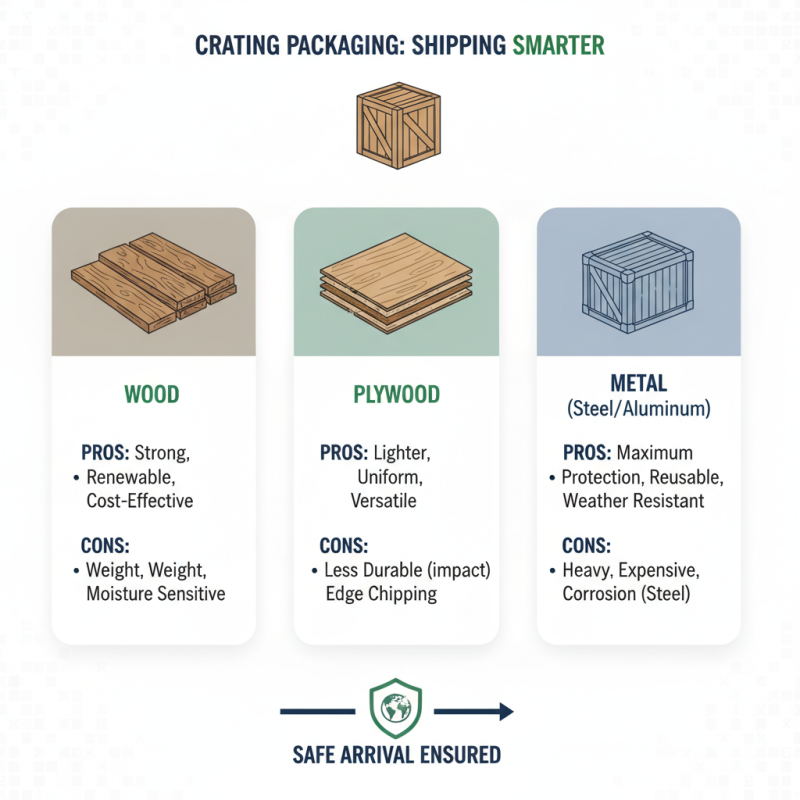
Crating packaging plays a critical role in shipping processes. It protects goods and ensures they arrive safely. The choice of materials significantly impacts the overall effectiveness of crating. Commonly, wood, plywood, and metal are used. Each material has its unique benefits and limitations.
Wood is a popular choice due to its strength. According to industry reports, wooden crates can handle heavy loads. However, they can be susceptible to moisture and pests without proper treatment. Plywood offers a balance between weight and durability. It is lighter than solid wood but still provides adequate protection. Metal crates are known for their longevity but can be cost-prohibitive.
Besides these materials, foam and cardboard are also important. Foam packaging helps cushion fragile items, reducing damage rates significantly. In fact, a recent study indicated that proper cushioning decreases breakage by up to 40%. Cardboard is lightweight and cost-effective, though it may not offer the same level of protection. Choosing the right material is not always straightforward. Each option presents trade-offs, and businesses must assess their specific needs carefully. The crating design and material selection can directly impact shipping costs and delivery success.
The Role of Crating in Shipping Logistics
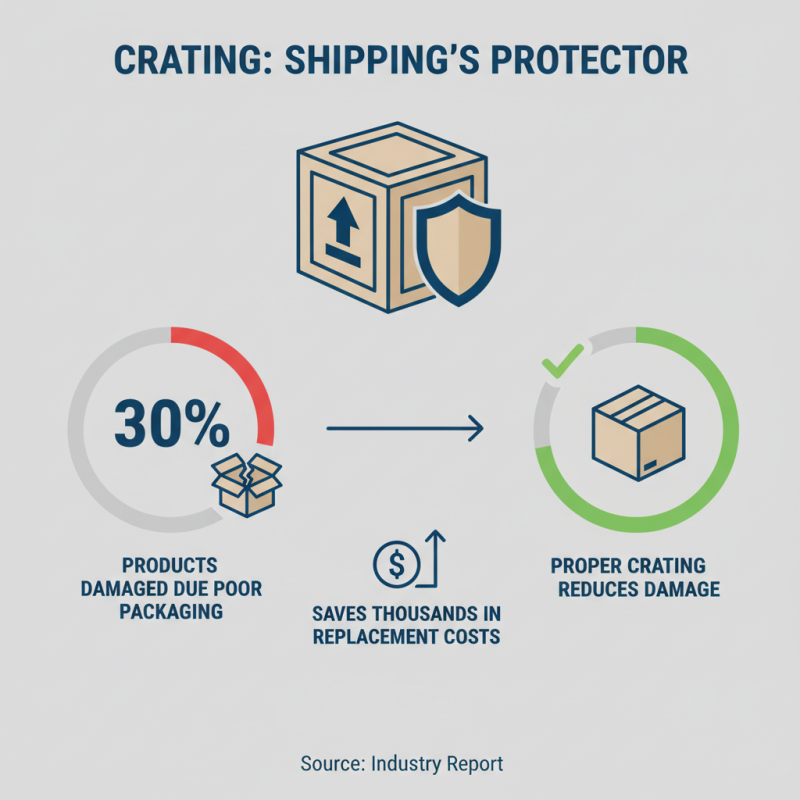
Crating plays a crucial role in shipping logistics. It involves creating custom containers designed to protect goods during transit. A recent industry report highlights that nearly 30% of products are damaged due to inadequate packaging. This statistic underscores the need for effective crating solutions. Proper crating can reduce the risk of damage significantly, saving companies thousands in replacement costs.
Yet, the process can be complex. Different items require different crating methods. Materials, size, and weight all influence the choice of crate. Approximately 40% of shippers report issues with mismatched packaging solutions. This discrepancy can lead to increased shipping times and costs. When crates are not tailored, it increases the likelihood of logistical failures.
Moreover, environmental considerations come into play. Many companies struggle with sustainable crating options. Reports indicate that only 25% of companies use eco-friendly materials for their crates. This raises a question: How can the industry balance cost-effectiveness with environmental responsibility? Addressing these challenges is essential for future shipping practices.
Benefits of Proper Crating Packaging for Products
Crating packaging has become essential in shipping. It offers various advantages that enhance product safety and cost-effectiveness. According to industry reports, proper crating can reduce shipping damages by up to 60%. This statistic highlights the significance of investing in reliable packaging. A well-constructed crate not only protects the product but also optimizes space during transportation.
Another crucial benefit is the adaptability of crating for different products. Businesses can customize crates to meet specific needs, whether for fragile items or heavy machinery. In fact, around 30% of logistics professionals acknowledge the need for tailored solutions to minimize risks during transit. Yet, one challenge persists. Many companies still underestimate the importance of quality materials, resulting in inadequate packaging. This oversight can lead to increased costs from replacements and returns.
Additionally, crating contributes to sustainability in shipping. The right packaging materials can be recycled or reused, aligning with eco-friendly practices. Market data shows that 65% of consumers prefer brands that prioritize sustainability in their shipping processes. This trend offers companies an opportunity to enhance their reputation while ensuring protection. However, embracing such practices remains a work in progress for many businesses.
Common Challenges in Crating Packaging and Solutions
Crating packaging plays a crucial role in shipping. It protects valuable items during transit. However, the industry faces several challenges. One major issue is the risk of damage. According to the International Air Transport Association, nearly 5% of products suffer damage in transit. This calls for better protective methods in crating.
Another challenge is cost management. Proper crating materials can be expensive. A report by Smithers Pira indicates that nearly 25% of shipping costs come from packaging alone. Companies often struggle to balance safety and cost-effectiveness. Utilizing alternative materials or designs could help mitigate these expenses. Yet, not all solutions are perfect. Sometimes, cheaper materials lead to increased risk.
Moreover, environmental concerns are significant. Many crating solutions are not eco-friendly. The Global Packaging Alliance states that sustainable packaging is a growing demand. While switching to greener options is commendable, it often comes with higher costs. Companies must weigh the benefits and drawbacks carefully. This balancing act remains a persistent challenge in the crating packaging landscape.







 English
 Polski
  Čeština