How to Choose the Right Hastelloy Alloy Tube?
Choosing the right Hastelloy Alloy Tube begins with the service environment, not the alloy name. Temperature, pressure, acidity, chloride exposure, and welding conditions can change performance dramatically. A tube handling hot hydrochloric acid needs different protection than one carrying seawater or wet chlorine gas. The difference may appear small on paper. It can become expensive in operation.
Dr. John C. Lippold, a recognized authority on nickel-alloy metallurgy and welding, offers a useful principle: “Choose for the environment, not the label.” This guidance reflects practical engineering experience. Hastelloy C-276, C-22, B-2, and other grades each provide distinct balances of corrosion resistance, fabrication behavior, and mechanical strength. A familiar grade is not automatically the safest choice. That assumption can fail.
This guide examines how engineers can compare a Hastelloy Alloy Tube by chemistry, temperature range, wall thickness, and joining method. It also considers tube dimensions, surface finish, inspection records, and the manufacturer’s traceability documents. A polished tube may look excellent under warehouse lighting. Its real value appears after months of heat cycling, pressure changes, and corrosive contact. Small details matter.
The selection process is not perfectly simple. Data sheets can simplify conditions that are severe in practice. Laboratory results may not reproduce deposits, crevices, or welding discoloration inside a working system. Therefore, reliable decisions should combine published corrosion data, experienced supplier guidance, and application-specific testing. When uncertainty remains, engineers should document it clearly and review the design before purchasing.
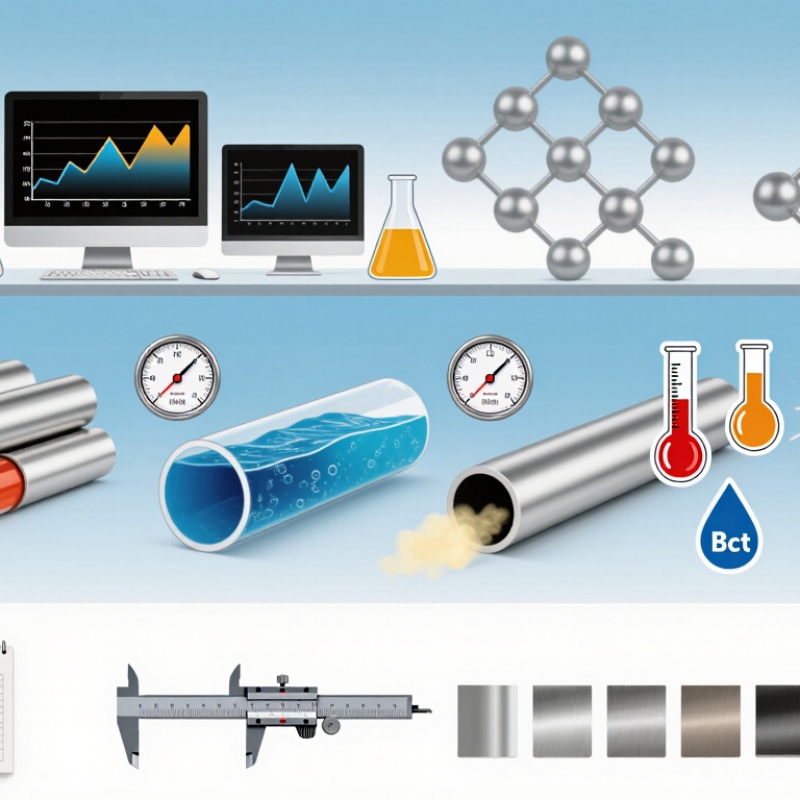
Understanding Hastelloy Alloy Tubes and Their Key Properties
How to Choose the Right Hastelloy Alloy Tube?
Hastelloy alloy tubes are nickel-based materials designed for demanding corrosion environments. Their performance comes from carefully balanced nickel, chromium, molybdenum, and other elements. Chromium helps resist oxidation, while molybdenum improves protection against localized attack. This matters in heat exchangers, chemical process lines, and sour service equipment.
The fluid decides more than the temperature alone. A hot chloride solution may cause pitting, while reducing acids create a different challenge. Check concentration, pressure, flow speed, and contamination before choosing an alloy. Tube dimensions also affect performance. Thin walls transfer heat efficiently, but they leave less allowance for corrosion and manufacturing variation. That shortcut can fail.
Fabrication deserves equal attention. Hastelloy tubes can be welded, but poor heat control may damage corrosion resistance near the weld. Experienced fabricators monitor cleaning, joint design, shielding gas, and post-weld inspection. Surface scratches are not harmless. They can become starting points for attack in aggressive service. Review chemical compatibility data, applicable material standards, and the supplier’s mill test certificate. Pressure, eddy-current, hydrostatic, and dimensional tests can reveal different problems.
Not every tube needs the highest alloy grade. Over-specification raises cost and may complicate forming. Under-specification creates a far greater risk. Engineers should compare real operating data with laboratory results, because published resistance values may not match a contaminated process stream. Recheck the choice when conditions change. Small details matter.
Identifying the Operating Conditions and Corrosion Risks
How to Choose the Right Hastelloy Alloy Tube?
Identifying the Operating Conditions and Corrosion Risks
Choosing a Hastelloy tube begins with the actual service environment, not the alloy name. Record temperature, pressure, fluid concentration, flow velocity, and operating cycles. A process that appears mild at room temperature may become aggressive near its boiling point. Chlorides can trigger pitting and crevice corrosion, especially beneath deposits or tube supports.
Check whether the environment is oxidizing, reducing, or changing between both conditions. Mixed acids, wet chlorine compounds, and sulfur-bearing gases may attack different areas of the tube. Welds and heat-affected zones deserve careful attention. They can behave differently from the parent metal. Small leaks often begin at tube ends, bends, or poorly cleaned surfaces. Tiny details matter.
In field assessments, engineers often compare process records with corrosion data and inspection results. Coupon testing can reveal risks that laboratory tables miss. Pressure changes also deserve review, because repeated cycling may worsen cracking or fatigue damage. Higher alloy content does not guarantee unlimited resistance. That assumption is worth challenging. A technically sound selection should match the exact chemistry, temperature range, and fabrication method. Confirm material certificates, welding procedures, and test results before installation. If conditions remain uncertain, use a conservative trial plan with scheduled inspections. Even then, predictions can be imperfect. Real deposits, contamination, and unexpected shutdowns may change the corrosion mechanism.
Comparing Hastelloy Grades for Specific Industrial Applications
How to Choose the Right Hastelloy Alloy Tube?
Comparing Hastelloy Grades for Specific Industrial Applications
Choosing a Hastelloy tube starts with the process fluid, not the alloy name. Record acid concentration, temperature, pressure, chlorides, and oxygen exposure. Small changes can alter corrosion behavior dramatically. Tube wall thickness also depends on pressure, vibration, and fabrication limits.
For mixed acids, chlorides, and severe pitting risks, C-276 is often a practical starting point. It offers broad resistance in chemical processing and pollution-control equipment. C-22 deserves attention when oxidizing acids and localized corrosion are major concerns. Its performance can be stronger in aggressive, oxygen-rich environments. Still, welding quality and heat-affected zones require inspection.
Reducing acids may favor B-2 or B-3 grades, especially in reactors and heat exchangers. These alloys can resist hydrochloric and sulfuric acid conditions effectively. High-temperature applications need a different comparison. X-grade tubing may suit furnace components where heat, oxidation, and mechanical strength interact. G-30 can be considered for certain phosphoric acid services.
A laboratory coupon test is wise when the chemistry is uncertain. Published resistance tables cannot reproduce every impurity or flow condition. This is where selection becomes less comfortable. Engineers should verify weld corrosion, surface finish, and actual operating cycles before approving production tubing. Temperature spikes are easy to overlook. They often explain failures that looked impossible on paper.
Selecting the Right Tube Dimensions, Standards, and Manufacturing Method
How to Choose the Right Hastelloy Alloy Tube?
Selecting the right tube starts with its service conditions. Record the fluid, temperature, pressure, and expected corrosion mechanism. Chlorides, acids, and reducing environments can demand different Hastelloy grades. A tube that performs well in one vessel may fail in another. That detail is often underestimated.
Define the outside diameter, wall thickness, length, and tolerance before requesting quotations. Thin walls may improve heat transfer, but they offer less corrosion allowance. Heavy walls improve pressure resistance and handling. Check ASTM or ASME requirements for chemical composition, mechanical strength, dimensions, and testing. Ask for heat numbers, material certificates, and traceable inspection records. Standards matter more than attractive surface finishes.
Manufacturing method also affects reliability. Seamless tubes suit high-pressure and demanding service when consistent wall integrity is critical. Welded tubes can provide useful size flexibility, but weld quality and post-weld treatment require careful review. Cold drawing can improve dimensional accuracy and surface condition. Heat treatment must match the alloy and specified standard. Non-destructive testing may include eddy-current or hydrostatic examination.
Do not choose by size alone.
I have seen projects specify excellent alloys with unsuitable tolerances. That mistake delayed installation and increased machining work. Request sample measurements, review the inspection plan, and confirm whether the actual operating cycle includes vibration or thermal shock. A practical selection leaves room for fabrication variation, because drawings are rarely perfect.
How to Choose the Right Hastelloy Alloy Tube?
Selecting the right tube requires matching the outside diameter, wall thickness, alloy grade, applicable standard, and manufacturing method to the service conditions.
Tube Dimensions The chart shows common outside diameters used for heat-exchanger, process, and instrumentation tubing. Wall thickness should be selected using pressure, temperature, corrosion allowance, and design-code calculations.
Applicable Standards ASTM B163 covers seamless nickel and nickel-alloy condenser and heat-exchanger tubes, while ASTM B626 covers welded nickel and nickel-alloy tubes. The purchase specification should state the required grade, dimensions, heat treatment, testing, and surface condition.
Manufacturing Method Seamless tubes are produced without a longitudinal weld and are commonly selected for demanding pressure service. Welded tubes can provide consistent dimensions and efficient production for suitable applications, subject to the specified weld quality and inspection requirements.
Dimension examples are expressed in millimetres and represent commonly specified tube outside diameters. Final selection must be verified against the applicable ASTM specification and project design requirements.
Evaluating Quality, Compatibility, Cost, and Supplier Reliability
Choosing the right Hastelloy alloy tube begins with process reality, not a familiar grade name. In field reviews, I compare temperature, pressure, chloride levels, acidity, and flow conditions. A tube for hot hydrochloric acid may fail quickly in an oxidizing mixture. Compatibility must include welds, bends, fittings, and cleaning chemicals. Request corrosion data at the actual concentration and temperature. Laboratory tables help, but they cannot replace a process-specific review. Small details matter.
Quality is more than a bright surface. Check alloy chemistry, dimensions, wall thickness, heat treatment, and nondestructive test records. Ask for traceable mill certificates and independent inspection for critical service. A cheap tube can become expensive after leaks, shutdowns, or replacement labor. However, the highest-priced option is not automatically safer. Compare service life, fabrication needs, delivery time, and maintenance exposure. I have sometimes over-specified materials, increasing cost without useful protection. That mistake deserves a second review.
Supplier reliability should be tested before purchase. Can the supplier explain grade selection clearly? Will they confirm tolerances, test methods, packaging, and documentation in writing? Ask for sample records and realistic lead times. A dependable supplier reports limitations instead of promising everything. Confirm how tubes are protected from moisture, contamination, and impact during shipment. Keep approval drawings and inspection points aligned. Trust grows from evidence, not polished claims.


 English
 Polski
 Čeština