How to Choose the Best Corporate Packaging for Your Business Needs
In today's competitive market, effective corporate packaging plays a crucial role in communicating a brand's identity and value proposition. The right packaging not only protects the product but also enhances customer experience, fostering brand loyalty and recognition. When it comes to selecting corporate packaging, businesses must consider various factors such as the nature of their products, target audience, and overall marketing strategies. The decisions made in this realm can significantly impact a company's visibility and perception in the marketplace.
Choosing the best corporate packaging involves a careful evaluation of materials, design, and functionality. Companies should aim for packaging that aligns with their brand essence while being sustainable and cost-effective. Additionally, the packaging must serve practical purposes, such as ease of transport and user-friendliness, while still making a captivating impression. By thoughtfully addressing these aspects, businesses can ensure that their corporate packaging not only meets operational needs but also contributes to a positive brand image and consumer connection. Ultimately, the selection process should reflect a deep understanding of both the product and the consumer, creating a harmonious balance that drives success.

Identifying Your Business Packaging Requirements
When selecting corporate packaging, it's essential to first identify your business packaging requirements. Understanding the nature of your products is crucial; for instance, delicate items may necessitate cushioning materials like bubble wrap or foam inserts. According to a recent survey by Smithers Pira, the global market for sustainable packaging is expected to reach $500 billion by 2024, indicating a rising trend towards eco-friendly options. Businesses should carefully consider the materials they use, as consumers increasingly favor brands that prioritize sustainability.
Additionally, businesses need to think about their target audience and how packaging influences their purchasing decisions. Research shows that 72% of consumers say that packaging design influences their buying choice. It’s vital to design packaging that is not only visually appealing but also functional, protecting the product while enhancing brand perception.
**Tips:**
When evaluating options, prioritize versatility and ease of handling in your packaging designs. Test different materials and designs to see which resonate best with your customers. Also, consider the logistics of your supply chain; lightweight and space-efficient packaging can reduce shipping costs and environmental impact.
Evaluating Different Types of Corporate Packaging Materials
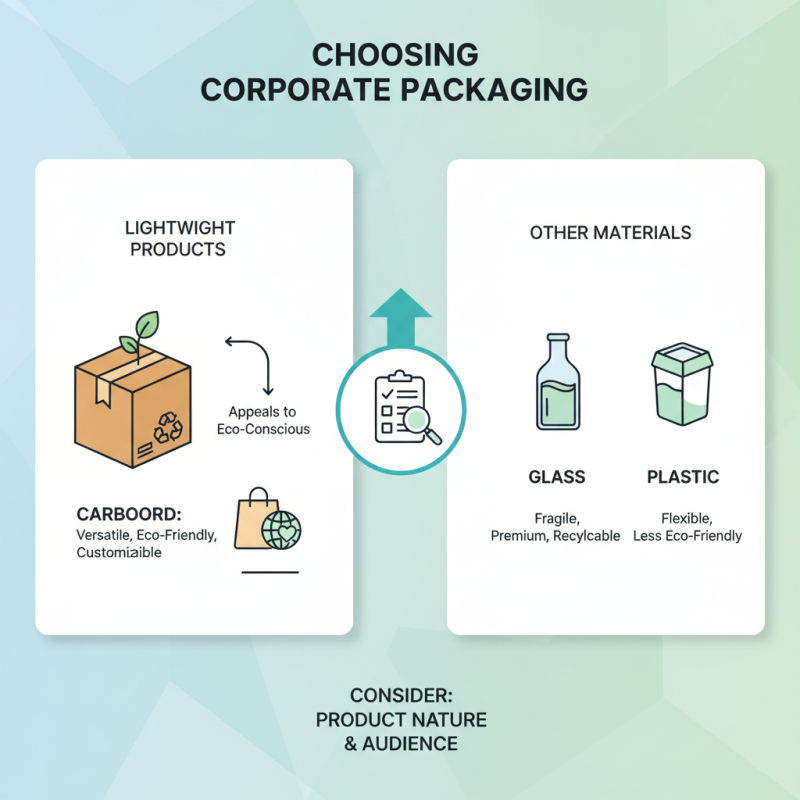
When evaluating different types of corporate packaging materials for your business needs, it is crucial to consider the nature of your products and your target audience. Various materials offer distinct advantages; for example, cardboard is an excellent choice for lightweight items due to its versatility and eco-friendliness. It can be easily customized in terms of size, shape, and design, allowing businesses to create packaging that aligns with their branding. Additionally, cardboard is recyclable, which appeals to environmentally conscious consumers.
On the other hand, if you're dealing with fragile products, opting for materials like bubble wrap or foam cushioning in combination with sturdy boxes may provide the protection necessary to prevent damage during transit. Plastic packaging offers durability and moisture resistance, making it ideal for perishable goods. Moreover, as businesses increasingly emphasize sustainability, exploring biodegradable plastics or compostable materials can enhance your brand's image while addressing environmental concerns. By thoroughly assessing the characteristics and benefits of each packaging option, you can select the best materials that not only safeguard your products but also resonate with your customers' values.
Analyzing Cost vs. Quality in Packaging Solutions
When considering packaging solutions for your business, understanding the balance between cost and quality is essential. While it's tempting to opt for the least expensive option, this strategy can sometimes lead to compromises in durability or aesthetics, which may negatively impact customer perception. High-quality packaging not only safeguards your products but also enhances brand image and customer experience. A meticulous approach to selecting materials, printing techniques, and design can yield long-term benefits, justifying a higher initial investment.
On the other hand, tight budgets may necessitate a more cost-effective solution. In such cases, businesses should focus on the essential features that protect their products without overspending. Identifying the key packaging requirements—such as strength, size, and environmental impact—can help in selecting suitable options that don’t compromise quality excessively. Engaging in thorough market research and perhaps even small-scale testing can provide insights into which packaging delivers optimal performance at a reasonable cost, ensuring that the final choice aligns with both functional and financial goals.
How to Choose the Best Corporate Packaging for Your Business Needs - Analyzing Cost vs. Quality in Packaging Solutions
| Packaging Type |
Cost per Unit ($) |
Durability Rating |
Environmental Impact |
Lead Time (days) |
| Corrugated Boxes |
1.50 |
8/10 |
Recyclable |
5 |
| Plastic Wrap |
0.20 |
6/10 |
Not Recyclable |
3 |
| Glass Containers |
2.00 |
9/10 |
Recyclable |
7 |
| Reusable Bags |
0.80 |
7/10 |
Eco-Friendly |
10 |
| Foam Packaging |
0.50 |
6/10 |
Non-Recyclable |
4 |
Customizing Packaging for Branding and Customer Experience
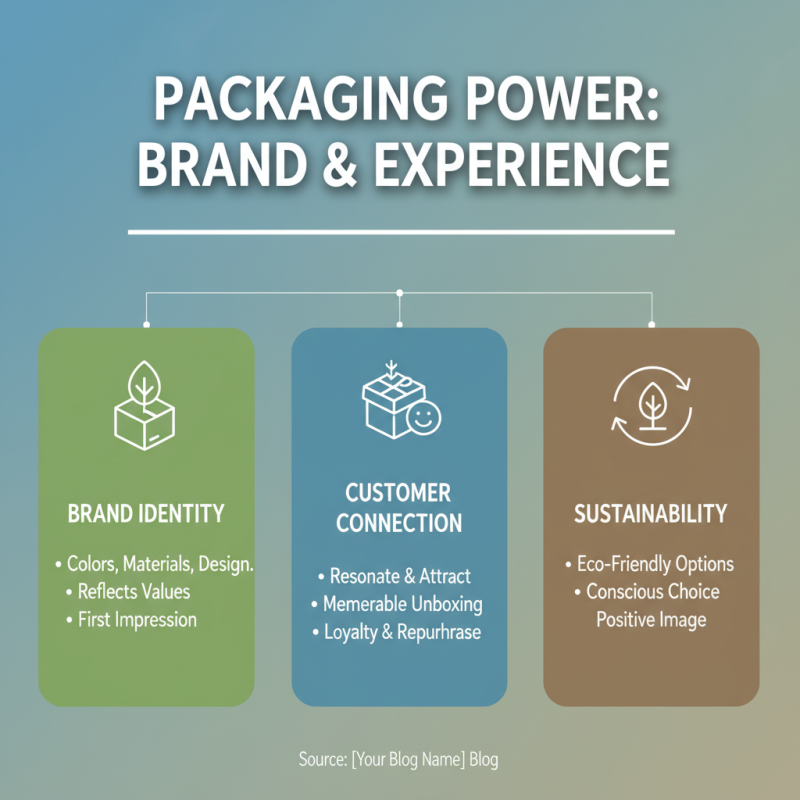
Customizing packaging for branding and customer experience is crucial in today’s competitive market. Effective packaging goes beyond mere aesthetics; it serves as a direct extension of your brand’s identity. By carefully selecting colors, materials, and design elements that resonate with your target audience, you can create a memorable first impression. For instance, eco-friendly packaging options not only reflect a commitment to sustainability but also attract customers who prioritize environmentally conscious choices. This alignment can foster brand loyalty and encourage repeat purchases.
Moreover, the unboxing experience plays a significant role in enhancing customer satisfaction. Unique and thoughtful packaging can turn the simple act of opening a product into a delightful event. Incorporating personalized notes or interactive elements can enhance the emotional connection between the customer and the brand. This attention to detail communicates to customers that their experience matters, thereby elevating their overall perception of your brand. Ultimately, investing in customized packaging that speaks to your brand values while enhancing customer experience can lead to stronger customer relationships and increased brand equity.
Considering Sustainability in Corporate Packaging Choices
When selecting corporate packaging, sustainability should be a key consideration. As environmental concerns become more pressing, businesses have the opportunity to make eco-friendly choices that resonate with consumers. Sustainable packaging not only reduces the ecological footprint but also enhances brand image, appealing to a growing market of environmentally conscious customers.
Tips for selecting sustainable packaging include opting for recyclable materials such as paper or biodegradable plastics that break down naturally, reducing landfill waste. Another effective strategy is to minimize packaging size, which decreases the materials needed and enhances the efficiency of shipping. Additionally, consider innovative sustainable alternatives like plant-based inks and compostable fillers that can further support your sustainability goals.
Integrating these sustainable solutions requires a thorough understanding of your packaging needs and potential challenges. It's also vital to communicate your commitment to these practices transparently, as customers are more likely to support brands that are actively taking steps to protect the environment. By prioritizing sustainability in your corporate packaging decisions, you can foster both corporate responsibility and customer loyalty.







 English
 Polski
  Čeština