How to Choose Foam Cushion Packaging for Your Products?
Choosing the right foam cushion packaging for your products is crucial for ensuring safety during transit. Foam cushion packaging provides a reliable protective barrier. It absorbs shocks and prevents items from shifting. Understanding your product's specific needs is essential. Not all foam is created equal, and not every product requires the same type of packaging.
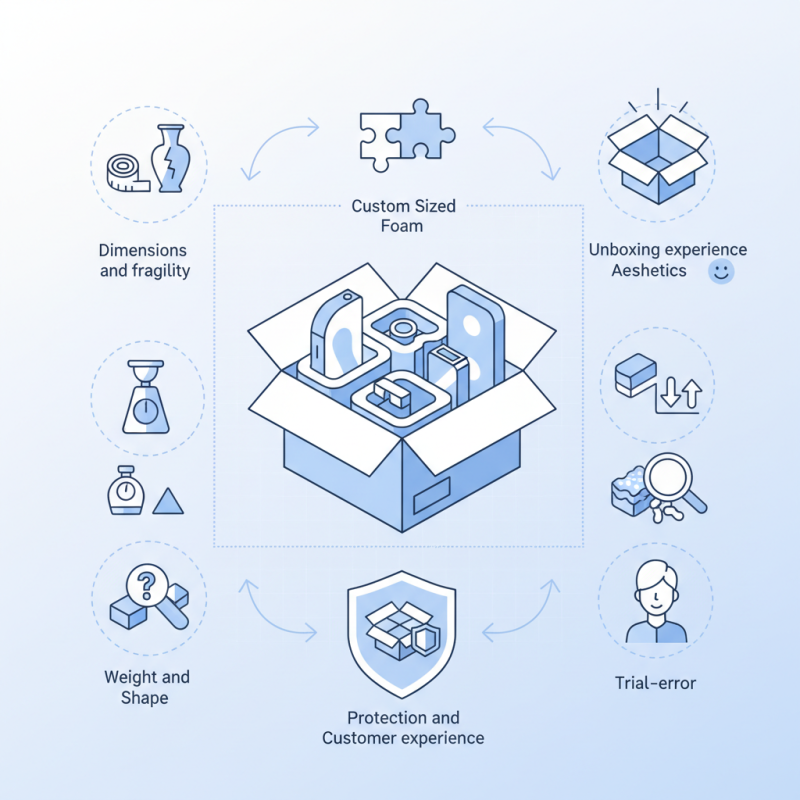
Consider the dimensions and fragility of your items. Custom-sized foam can minimize movement and optimize space in shipping boxes. You might think standard sizes will suffice, but this often leads to wasted materials and compromised protection. Evaluating the weight and shape of your products can help guide your choice. It’s also important to remember that aesthetics matter. Foam cushion packaging should not just protect, but also enhance the unboxing experience.
With so many options available, it’s easy to feel overwhelmed. The wrong choice could lead to damage and increased costs. Take time to research materials and methods. Gather feedback on what has worked for others, and reflect on any failures too. Often, companies overlook the need for trial-and-error in their packaging development process. Ultimately, the goal is to protect your products while providing an exceptional customer experience.
Understanding the Importance of Foam Cushion Packaging
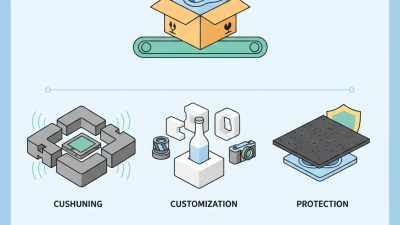
Foam cushion packaging is crucial for product protection. It absorbs shock and prevents damage. This material is lightweight, yet effective. It reduces costs related to returns and replacements. By investing in this type of packaging, businesses enhance customer satisfaction. Shipped items arrive safely and intact.
When selecting foam cushions, consider different densities. Higher density provides better protection, but it may cost more. Choose materials that fit your product's needs. For fragile items, thicker cushions are advisable. Make sure the foam is cut to size. Proper fitting reduces movement during transit.
Tips: Always test packaging with real products. Use samples to see how well they perform. Review feedback from customers on packaging. Adjust if they experience damage or issues. Remember, even the best cushioning can fail if not executed carefully. This process involves trial and error, but it’s vital for improvement.
Product Protection Needs: Foam Cushion Packaging Comparison
This bar chart compares the protection levels offered by foam cushion packaging across different product categories. A higher score indicates better protection against damage during shipping and handling, highlighting the importance of choosing the right foam cushion for each product type.
Types of Foam Cushion Materials Available for Packaging
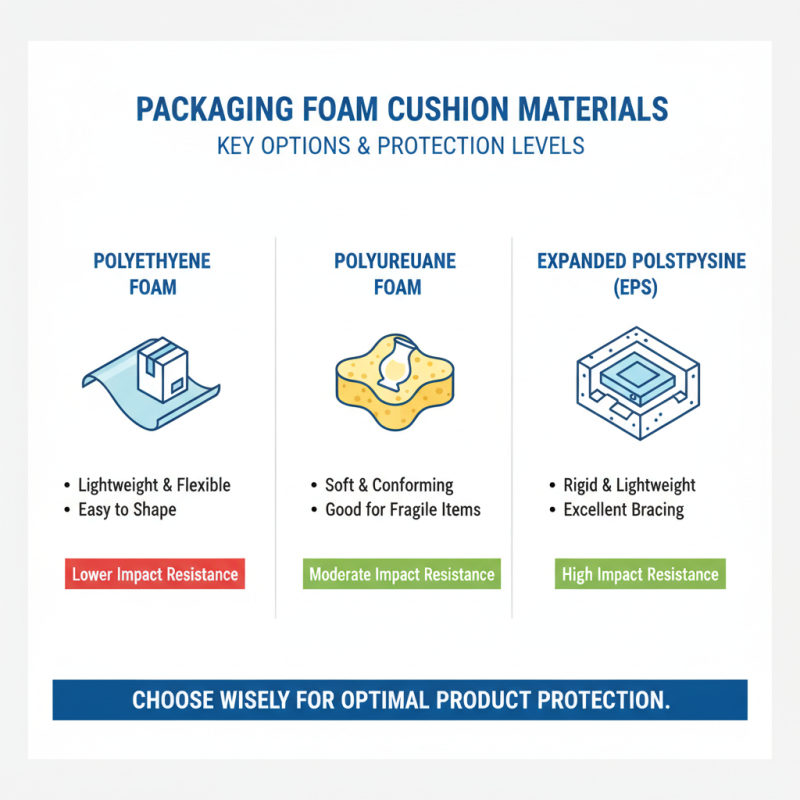
When selecting foam cushion materials for packaging, it's essential to know the options available. Various types of foam provide different levels of protection. Polyethylene foam is a popular choice. It's lightweight and flexible, making it easy to shape around products. However, it may not offer the same impact resistance as other materials.
EVA foam is another option to consider. It’s durable and provides excellent cushioning. This material often has a soft touch, which is appealing for delicate items. On the downside, EVA foam can be pricier. Manufacturers may overlook this when budgeting for packaging.
Then there’s polyurethane foam. This type is known for its versatility. It can be molded into specific forms to fit products snugly. But it can break down over time if exposed to moisture. Not every company takes this into account. The choice of foam material should align with the product's needs and shipping conditions.
Factors to Consider When Selecting Foam Cushioning
When selecting foam cushioning, consider several key factors. First, choose the right type of foam. There are many options, including polyethylene and polyurethane. Each type offers different levels of shock absorption and protection. According to industry data, over 70% of damages during shipping are due to inadequate packaging.
Next, think about the density of the foam. Higher density foams provide better protection but may also increase costs. A recent study highlighted that using high-density foam reduces damage rates by almost 50%. This is crucial when shipping fragile items, where every detail matters.
**Tips:** Measure your product precisely before choosing foam. Ensure a snug fit to eliminate excess movement. Also, consider the environmental impact. Many foam options are recyclable, making them a sustainable choice.
Finally, evaluate cost versus protection. It's easy to opt for cheaper foam, but this can lead to higher costs later on. Weigh the benefits carefully. Sometimes, it’s worth investing more upfront to avoid losses through damage. Assess these factors to ensure you make an informed choice for your packaging needs.
Measuring and Customizing Foam Cushioning for Your Products
When measuring for foam cushioning, precision is crucial. Accurate dimensions ensure that the foam fits snugly around your products, minimizing movement during transit. According to industry research, approximately 30% of product damage occurs due to inadequate packaging. Therefore, it's essential to take a detailed approach to measuring your items. Use calipers or tape measures to get exact measurements of each product's height, width, and depth. Consider even the weight; heavier objects may require tougher foam to prevent compression.
Customization is key to effective foam cushioning. The foam should conform to the shape of the product. Tailored solutions often lead to better protection. A report from the Packaging Institute indicates that custom foam inserts reduce damage rates by about 50% compared to generic solutions. Keep in mind the 10% rule: if a product weighs more than this percentage of the cushioning material, you may need a denser option.
Don't overlook the packing environment, either. Factors like temperature and humidity play a role in foam performance. Some foams can degrade in high moisture. This might not be apparent at first glance but could lead to future issues. Regularly reviewing your packaging materials and processes can uncover areas needing improvement. This step ensures your products arrive safely and enhances overall customer satisfaction.
Sustainable Options in Foam Cushion Packaging Solutions
When selecting foam cushion packaging, sustainability is key. Traditional foam can create significant waste and pollution. However, many sustainable options are now available.
Bio-based foams, made from natural materials, offer a more eco-friendly solution. They decompose faster than conventional plastics, reducing landfill impact.
Tips for sustainable choices: Consider using recycled foam materials. They maintain protective properties while being more environmentally friendly. Another option is to choose foams that can be easily reused. This approach helps cut down on waste.
Think about the production process. Some foam products come from renewable sources. They may use fewer resources and create less waste during manufacturing. This aspect is often overlooked but crucial for sustainability.
Reflect on the lifecycle of your packaging. Choose materials that align with your values and reduce environmental harm.




 English
 Polski
  Čeština