Choosing air cushion packaging is not simply a matter of selecting the largest or thickest film. It requires a careful match between the product, shipping route, carton design, and handling risks. A glass bottle needs different protection from a lightweight electronic accessory. Box size matters too. Excess space can let products move, while tight packing may compress the cushions before delivery.
Packaging specialist Dr. Jay Singh explains, “Protection begins with understanding the product, not choosing the cushion.” That principle guides this article. We will examine cushion types, film thickness, inflation levels, machine compatibility, storage conditions, and material efficiency. Practical testing remains essential. A package that survives a warehouse drop may still fail after vibration inside a delivery vehicle. Small details matter.
The right air cushion packaging should reduce impact, limit movement, and support efficient packing without creating unnecessary waste. Air pillows can fill voids, while air bubble bags can wrap fragile surfaces. Inflatable tubes may protect long edges and corners. However, no format works perfectly for every shipment. That is the uncomfortable part.
Real products behave differently.
Before choosing a solution, measure product weight, dimensions, fragility, and expected shipping conditions. Test packed cartons with realistic drops, compression, and vibration. Review the results honestly, even when the first design fails. This approach supports reliable decisions and helps balance protection, operating cost, packing speed, and environmental goals.
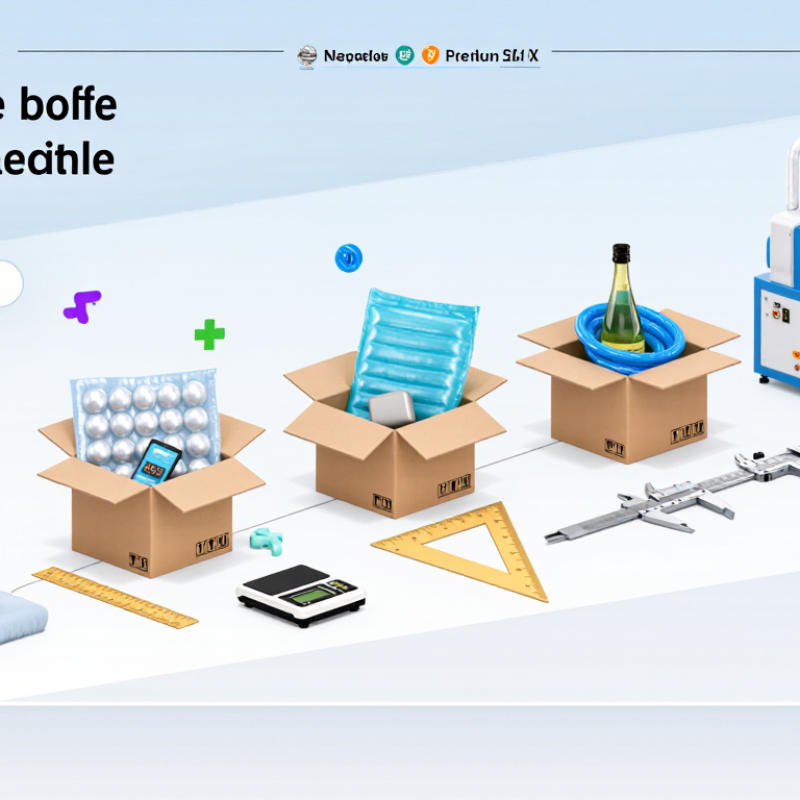
Air cushion packaging uses sealed air chambers to surround products during shipping. These chambers absorb vibration, reduce movement, and soften impacts from drops or compression. The protection is practical, not magical. A sharp corner can still puncture a weak film.
Parcel handling is becoming more demanding. The Pitney Bowes Parcel Shipping Index 2024 reported about 161 billion parcels worldwide in 2023. That volume increases the chance of vibration, stacking, and rough transfers. Air cushions work best when their size matches the product. Choose thicker film for heavier items, stronger seals for long routes, and larger chambers for fragile edges. Leave minimal empty space inside the carton. Too much air can still allow dangerous movement.
Tips: Test a packed sample before large shipments. Use drop and vibration procedures from ISTA 3A or ASTM D4169. Check corners, seals, and pressure after testing. A small carton adjustment may protect better than adding more material. Also review storage conditions. Heat, cold, and sharp surfaces can weaken performance. Packaging selection is sometimes imperfect; a film that works for glass may be excessive for clothing. Record damage rates, product weight, carton dimensions, and customer complaints. This evidence supports a more reliable choice than appearance alone.
Air cushion packaging uses sealed air cells to absorb shock, reduce vibration, and fill empty space inside shipping cartons. The chart shows typical film-thickness ranges for common air-cushion formats; actual specifications vary by material structure and load requirements.
Selection guide: Use air pillows for lightweight void filling, bubble-style cushions for surface wrapping, air tubes for edge and corner protection, and inflatable bags for larger products that need full-surface cushioning.
Air cushion packaging should match the product, not simply fill the carton. In packing tests, weight is usually the first screening factor. Heavy items need thicker films, stronger seals, or air pillows with greater load resistance. A thin cushion may look adequate, then flatten under a metal tool or ceramic item. Fragility matters just as much. Glass, electronics, and painted surfaces need soft contact and stable restraint. Sharp edges require sleeves or layered protection, because ordinary air pillows can puncture during vibration.
Product dimensions also determine the right format. Long gaps suit air tubes, while small voids may need compact pillows or inflatable wrap. Measure the product after adding a protective sleeve; otherwise, the carton can remain underfilled. This mistake is easy to miss. The box should close without crushing the product or leaving it free to slide. Test movement by shaking a sealed sample gently. If the item travels, add restraint rather than more random filler. Cushion height, inflation pressure, and film thickness should be checked together.
Shipping conditions add another layer. Parcels facing repeated drops need cushioning that recovers after compression. Hot warehouses, cold trucks, and humid routes can change film behavior and seal strength. Manual packing may favor simple, quick inflation, while high-volume operations need consistent output and inspection. Reusable packaging can reduce waste, but only when it survives cleaning and repeated handling. I would still run a small trial first. Real cartons often reveal weaknesses that product specifications overlook.
Choosing air cushion packaging starts with the product, not the machine. Air pillows suit lightweight clothing, books, and empty spaces inside cartons. Air bubble cushions offer better surface protection for glass, ceramics, and polished parts. Large air columns can stabilize heavier items, but they may need stronger film and more storage planning.
Compare the materials carefully. Low-density polyethylene film is flexible, lightweight, and commonly recyclable where collection systems accept it. Thicker film usually resists punctures better, yet it can increase cost and waste. Test seal strength, inflation consistency, and performance after rough handling. A simple trial helps: pack one carton, shake it, drop-test it safely, and inspect corners and seals. One test is not enough. Humidity, temperature, and sharp product edges can change the result.
Tips: Match cushion size to the empty space. Too little air allows movement. Too much air can reduce carton efficiency. Check whether the film barrier protects against moisture during storage. Ask suppliers for material specifications and test data, not only attractive claims. I once underestimated corner pressure in a sample carton; the air cushions looked secure, but the product still shifted. That mistake showed why real packing conditions matter. Also measure packing time, storage volume, and disposal options before choosing a material.
| Packaging Type | Common Material | Typical Cushion Format | Best Protection Function | Typical Film or Material Thickness | Storage Efficiency Before Inflation | Typical Reuse Potential | Recycling Considerations | Recommended Applications |
|---|---|---|---|---|---|---|---|---|
| Air Pillows | Polyethylene (PE), commonly low-density polyethylene or coextruded PE film | Individual air cells or connected pillow chains | Void filling, surface cushioning, and separation between products | Usually about 15–40 microns, depending on film structure and load requirement | Very high; flat film rolls occupy much less space than inflated packaging | Generally single-use to limited reuse; performance declines after puncture or air loss | Can usually enter plastic-film recycling streams where accepted; remove labels and contaminants | Lightweight parcels, apparel, cosmetics, household goods, and filling irregular voids |
| Air Bubble Wrap | Low-density polyethylene (LDPE) film | Rows of sealed air bubbles laminated to one or more film layers | Surface protection, abrasion resistance, and impact cushioning | Film commonly about 30–100 microns; bubble height often about 6–25 mm | High before use, but less compact than flat air-pillow film | Often reusable if bubbles remain intact and the material is kept clean | Usually recyclable as plastic film where local facilities accept it; do not place in curbside bins unless permitted | Glassware, electronics, furniture components, framed items, and products requiring surface wrapping |
| Air Tube Bags | Multi-layer polyethylene or nylon-reinforced polyethylene film | Long, interconnected air chambers or tubular protective sleeves | High-contact cushioning around product edges and faces | Typically about 40–100 microns, with heavier structures for fragile or dense products | Very high before inflation; shipped and stored as flat rolls or sleeves | Limited to repeated use when chambers and seals remain undamaged | Material composition may complicate recycling; follow the supplier’s film identification and local rules | Bottles, long products, ceramics, framed goods, and items needing full-length protection |
| Air Column Bags | Coextruded polyethylene, sometimes combined with nylon for greater puncture resistance | Multiple vertical air columns with independent or partially independent chambers | Multi-directional impact absorption and close-fitting product protection | Commonly about 50–100 microns, depending on product weight and drop risk | Very high; flat bags are lightweight and compact before inflation | Potentially reusable when the chambers are independently sealed and undamaged | Generally recyclable as plastic film only through suitable collection programs; mixed layers may reduce recyclability | Wine bottles, consumer electronics, jars, cosmetics, and other fragile products |
| Inflatable Dunnage Bags | Kraft paper outer layer with a polyethylene or polypropylene inner bladder | Large inflatable bag placed in open spaces between cargo | Load stabilization and prevention of shifting during transport | Outer paper and inner-film specifications vary by load class and application | High before inflation; stored flat and inflated at the packing station | Often designed for reuse, subject to inspection and pressure retention | Paper and plastic components may need to be separated; recycling depends on local infrastructure | Palletized freight, cartons in containers, and truck or rail shipments with void spaces |
| Paper-Based Air Cushion Packaging | Paper or kraft paper formed into air pockets, sometimes with a thin barrier coating | Paper cushioning cells, honeycomb-style pockets, or formed paper wraps | Void filling, light impact protection, and product separation | Paper basis weight commonly ranges from about 50–120 g/m², depending on design | High when supplied in rolls or compact fan-fold formats | Usually limited reuse because paper creases and loses structure under compression | Often recyclable with paper if clean and free from plastic coatings or mixed materials | E-commerce orders, books, apparel, household items, and shipments prioritizing paper-based recovery |
| Foam-Laminated Air Cushion Film | Polyethylene air film laminated to polyethylene or other polymer foam | Air cells combined with a soft foam layer | Surface protection, vibration damping, and cushioning for sensitive finishes | Total construction commonly about 1–5 mm, depending on foam density and air-cell size | Moderate to high; lighter and more compact than rigid foam but bulkier than flat film | Limited reuse after compression, tearing, or contamination | Laminated materials are more difficult to recycle and may require specialized collection | Painted surfaces, polished parts, appliances, furniture panels, and vibration-sensitive goods |
Choosing air cushion packaging starts with the product, not the equipment or film. Measure the item after adding any inner wrap. Leave cushioning space around every exposed side. A tight fit can transfer impact directly. Too much empty space lets the product move. Movement causes damage. Match cushion width to the carton and product shape. Narrow cushions suit gaps and corners. Wider cushions protect broad surfaces. I usually shake a packed sample gently before shipping. It should feel stable, not trapped.
Thickness affects puncture resistance and protection. Lightweight items may need thinner film, while dense products need stronger material. Sharp edges require edge guards or extra layers. Thickness alone does not guarantee safety. A thick cushion can fail when air pressure is too low. Check whether the cells remain rounded after packing. Flat cells suggest insufficient inflation or compression. Overinflation can reduce flexibility and create burst points. Follow technical specifications, then test several settings. This step is easy to skip, and that is a common mistake.
Choose the cushioning level according to product weight, drop risk, and shipping route. A delicate glass item needs more separation than a soft textile. Use extra layers around corners and the base, where impacts often concentrate. For heavier products, select larger or stronger air cells, not simply more film. Pack a sample carton and perform controlled drop tests from realistic heights. Inspect the product and cushion afterward. One test is not enough. Cold storage, humidity, and rough handling can change results. Record failures honestly, then adjust the size, thickness, or inflation level.
Air cushion packaging should be tested as a shipping system, not as a loose plastic component. Start with the product’s weight, dimensions, fragility, and likely transport path. The World Bank’s What a Waste 2.0 report estimates that global municipal waste may reach 3.40 billion tonnes annually by 2050. Excess packaging creates a measurable material burden. Use only the air volume needed to control movement and absorb impact.
Build representative samples with the final box, seal method, product, and cushioning layout. Record air pressure before testing. Then repeat measurements after 24 and 72 hours. Check for slow leakage, corner collapse, and contact between the product and carton walls. Apply ISTA distribution testing, including controlled drops, vibration, and compression. A 50-centimetre drop onto a corner can expose weaknesses that a gentle bench test misses. Test filled packages in hot, cold, and humid conditions. Film stiffness and seal performance can change significantly.
Our first trial was too optimistic. We tested new cartons only. Real shipments use recycled boxes, uneven stacking, and rushed handling. A better test includes weaker cartons and the highest expected product weight. Review damage rates, package volume, material use, and unpacking time together. The Packaging Corporation’s 2023 sustainability report data shows that packaging efficiency must be assessed alongside material reduction and recovery performance. Optimize one variable at a time. Increase cushion spacing before increasing air pressure. Document every failure, even minor scuffing. Small evidence often prevents expensive redesigns.