

How to Ship Air Freight From China to UK in 2026?
Shipping Air Freight From China To Uk in 2026 requires more than booking space on an aircraft. It demands accurate planning, reliable documents, and realistic delivery expectations. From Shenzhen warehouses to London Heathrow cargo terminals, every handover can affect cost and timing. A small mistake in the commercial invoice may delay customs clearance. Incorrect product descriptions can create further questions.
Experienced exporters usually begin with the shipment’s dimensions, weight, value, and commodity classification. These details help freight forwarders compare airline rates and calculate chargeable weight. They also influence duties, import VAT, insurance, and handling fees. Trusted carriers and licensed customs professionals can explain current requirements using official UK guidance. Their advice remains important because procedures and carrier schedules can change during 2026.
Air freight is fast, but it is not always predictable. Weather, airport congestion, security checks, and incomplete paperwork may extend transit times. A two-day estimate can become four days. That happens. This guide examines practical booking steps, shipping documents, airport choices, customs preparation, and final-mile delivery. It focuses on lawful, properly declared commercial goods only.
The most useful plan includes a buffer. It also includes backup options. Choosing the cheapest quote may seem sensible, yet hidden surcharges can reduce the savings. I have seen shipment plans fail because packaging measurements were guessed instead of verified. That mistake is avoidable. Still, no guide can replace shipment-specific advice from a qualified forwarder or customs specialist.
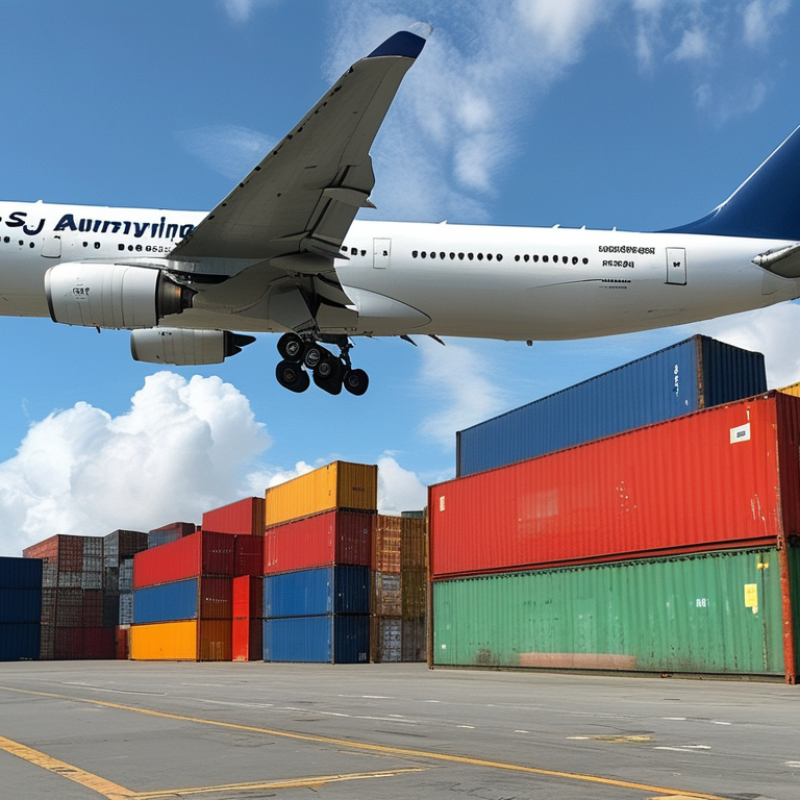
Table of Contents [Hide]
Air Freight Basics: China–UK Routes, Transit Times, and Suitable Goods
How to Ship Air Freight From China to UK in 2026?
Air freight connects China’s major production zones with UK gateways through direct flights and regional hubs. Common origins include Shanghai, Shenzhen, and Guangzhou. London Heathrow, East Midlands, and Manchester handle much of the UK-bound volume. Airport-to-airport transit can take one to two days on direct services. Door-to-door delivery usually takes three to seven days. Customs checks, weekends, and incomplete invoices can extend that estimate. The estimate is not a promise.
Air freight suits compact, valuable, urgent, or time-sensitive goods. Electronics, medical equipment, precision parts, samples, and seasonal products often fit this model. Large, heavy, low-value cargo usually needs a cost comparison with ocean freight. According to the International Air Transport Association’s 2024 industry data, global air-cargo demand grew 11.3%, while capacity increased 7.4%. Strong demand can tighten space on China–UK routes during peak seasons.
Accurate product descriptions and commercial invoices matter. The UK government requires importers to provide correct customs information and commodity codes. Incorrect data can delay clearance. Real shipping work is less perfect than a rate sheet suggests. A shipment may miss a flight because one carton exceeds the planned dimensions. Check volumetric weight, packaging strength, insurance, and delivery terms before booking. IATA’s air-cargo guidance also stresses secure handling and standardized documentation. Reference: IATA World Air Transport Statistics 2024; UK Government import guidance.
| China Origin Gateway | Typical UK Gateway | Common Route Pattern | Airport-to-Airport Transit | Door-to-Door Planning Time | Suitable Goods | Main Planning Considerations |
|---|---|---|---|---|---|---|
| Shanghai Pudong (PVG) | London Heathrow (LHR) | Direct service when available; otherwise one-stop routing through a major international hub. | Approximately 1–3 calendar days for the flight and airport transfer segment. | Approximately 4–8 business days, including export handling, customs, and final delivery. | Electronics Samples Fashion goods Urgent spare parts | Allow additional time for security screening, import clearance, and delivery outside the London area. |
| Shenzhen Bao’an (SZX) | London Heathrow (LHR) | Direct or one-stop service, supported by the Pearl River Delta manufacturing region. | Approximately 1–4 calendar days. | Approximately 4–9 business days. | Consumer electronics Hardware Small machinery High-value components | Factory pickup and export documentation should be arranged carefully because many suppliers are located away from the airport. |
| Guangzhou Baiyun (CAN) | London Heathrow (LHR) | Direct or one-stop routing from the Greater Bay Area. | Approximately 1–4 calendar days. | Approximately 5–10 business days. | Garments General cargo Automotive parts E-commerce parcels | Consolidated cargo may require an extra day or more for warehouse receiving, build-up, and breakdown. |
| Beijing Capital (PEK) | London Heathrow (LHR) | Direct service when scheduled; one-stop service is used when capacity or routing requires it. | Approximately 1–4 calendar days. | Approximately 5–10 business days. | Medical devices Technology products Documents Time-sensitive cargo | Medical, technical, and controlled products may require additional permits, declarations, or product compliance documents. |
| Zhengzhou Xinzheng (CGO) | East Midlands (EMA) or London Heathrow (LHR) | One-stop or scheduled cargo routing, often selected for central and northern China supply chains. | Approximately 2–5 calendar days. | Approximately 5–11 business days. | E-commerce cargo General merchandise Machinery parts Seasonal stock | East Midlands can reduce inland delivery time for some UK destinations, but the best gateway depends on the final postcode and customs setup. |
| Chengdu Tianfu (TFU) | London Heathrow (LHR) or East Midlands (EMA) | Usually one-stop routing with cargo acceptance subject to capacity and aircraft type. | Approximately 2–5 calendar days. | Approximately 6–12 business days. | Consumer goods Industrial parts Technology equipment | Inland collection from western China can add time and cost; confirm cargo cut-off times before booking. |
| Hong Kong (HKG) | London Heathrow (LHR) | Direct or one-stop international air-cargo routing. | Approximately 1–3 calendar days. | Approximately 4–8 business days, excluding any extra cross-border transfer from mainland China. | Urgent shipments High-value goods Samples Perishable products | When cargo originates in mainland China, include the time and compliance requirements for delivery to Hong Kong before export. |
| Any China Gateway | Any UK International Airport | One-stop routing through an overseas hub when direct capacity is unavailable or unsuitable. | Approximately 3–7 calendar days. | Approximately 7–14 business days. | Non-urgent cargo Consolidated shipments Standard commercial goods | Transit time can increase during peak seasons, public holidays, severe weather, capacity shortages, or customs inspections. |
Data and shipment notes: Transit times are indicative planning ranges for standard airport-to-airport or door-to-door air freight in 2026 and are not guaranteed schedules. Airport-to-airport time excludes pickup, export customs, cargo acceptance, import customs, and final delivery. Door-to-door estimates assume complete commercial documents, a correctly declared commodity code, suitable packaging, and no inspection or permit delay. Typical documentation includes an air waybill, commercial invoice, packing list, exporter and importer details, commodity code, declared value, and any required import licence or product certificate. Dangerous goods, lithium batteries, live animals, temperature-controlled cargo, food, pharmaceuticals, cosmetics, oversized freight, and other regulated products require carrier acceptance and additional documentation.
 English
 Polski
  Čeština