China Best Molded Foam Packaging Manufacturer?
Choosing the China best molded foam packaging manufacturer requires more than comparing quotations. Packaging foam protects electronics, medical devices, appliances, and precision components during storage and transport. MarketsandMarkets reports that the global foam packaging market is projected to grow from approximately USD 14 billion in 2023 to over USD 18 billion by 2028. This growth reflects rising demand for lightweight protection, improved product presentation, and lower shipping weight.
Still, market growth does not guarantee manufacturing quality. A reliable supplier should demonstrate practical experience with EPE, EPS, EPP, or polyurethane foam. It should also explain how density, compression strength, moisture resistance, and dimensional tolerance are controlled. Samples should fit the product without excessive movement. They should also survive realistic drop, vibration, and compression tests.
ISTA testing guidelines can help buyers evaluate transport performance under repeatable conditions. ISO 9001 certification may indicate controlled processes, but certification alone proves little about daily production discipline. Buyers should request inspection records, material data sheets, mold drawings, and traceability documents. Clear communication matters, especially when designs change after sampling.
No supplier is perfect.
Even experienced factories can face tooling delays, color variation, or inconsistent foam recovery. That is why supplier evaluation should include corrective-action procedures and transparent quality reporting. Reports from Smithers and other packaging analysts also emphasize sustainability pressure across protective packaging markets. Therefore, the right partner should discuss material reduction, recycled content where technically suitable, and responsible end-of-life options.
The best manufacturer is not simply the cheapest exporter. It is a technically capable partner that delivers stable molded foam packaging, verifies performance, and admits where improvement remains necessary.
What Is Molded Foam Packaging?
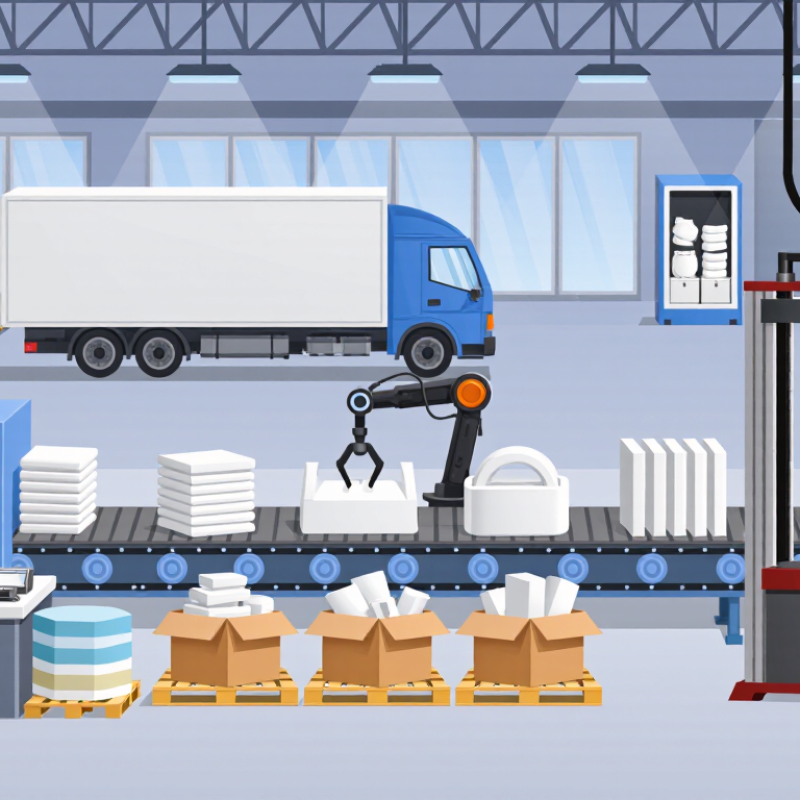
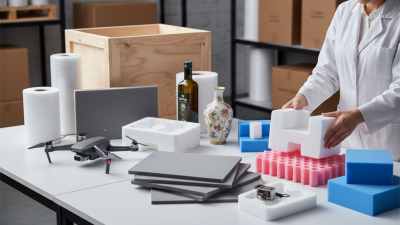
Molded foam packaging is protective packaging shaped from foam beads, sheets, or liquid materials. Manufacturers form the material inside a mold that matches a product’s outline. The result is a lightweight insert with cavities, walls, and support points.
Common materials include expanded polystyrene, expanded polyethylene, and expanded polypropylene. Each material behaves differently. Some provide firm impact protection, while others offer better flexibility or repeated-use performance. During production, temperature, pressure, density, and mold design affect the final part. A well-made insert can hold an appliance, instrument, or delicate component securely during handling.
Good molded foam packaging does more than fill empty space. It absorbs shock, limits movement, and separates surfaces that could scratch each other. Engineers often check compression strength, drop performance, dimensional accuracy, and moisture behavior. A small gap can allow movement. A wall that is too thin may collapse.
It is not a flawless solution. Foam selection can become difficult when cost, protection, storage space, and environmental goals conflict. I have found that a package looking strong may still fail at a corner or narrow support. Testing with the real product is essential. A practical design also considers packing speed, unpacking effort, transport conditions, and the customer’s ability to reuse or responsibly manage the material.
How Is Molded Foam Packaging Manufactured in China?
China Best Molded Foam Packaging Manufacturer?
Molded foam packaging usually begins with product measurements, CAD drawings, and a trial mold. Engineers study fragile corners, weight distribution, and required cushioning space. Foam beads or pellets are then pre-expanded with controlled steam. The material enters a metal mold shaped for the product. More steam fuses the beads together, creating a firm protective form. After molding, the part cools, dries, and receives dimensional checks. Edges may be trimmed, and ventilation holes can be added when needed. That step matters.
From practical factory inspections, reliable production depends on both equipment and operator judgment. Technicians check density, compression strength, appearance, and fitting accuracy. Samples should survive drop, vibration, and stacking tests before bulk production. Yet no process is perfect. Humidity, uneven heating, or a small mold error can affect performance. Small gaps matter. Good manufacturers record each batch and investigate failures instead of hiding them. Material selection also deserves attention, especially when recyclability, storage conditions, and transport distance influence the final packaging design.
Tips: Ask for a sample before approving the mold. Confirm foam type, density, tolerances, and test methods in writing. Request production photos and inspection records. Check whether the supplier can adjust the design after testing, because the first version may protect well but still waste space. A careful factory explains limitations clearly. That honesty is often more useful than a low quotation.
Which Materials Are Used in Molded Foam Packaging?
Which Materials Are Used in Molded Foam Packaging?
Molded foam packaging commonly uses expanded polystyrene (EPS), expanded polyethylene (EPE), and expanded polypropylene (EPP). EPS is lightweight and cost-efficient, making it suitable for appliance corners and cold-chain boxes. EPE provides flexible cushioning for furniture, electronics, and fragile surfaces. EPP offers stronger impact recovery and better heat resistance, although its price is usually higher.
Material selection depends on compression strength, density, moisture exposure, and reuse requirements. In factory trials, low-density EPS can protect well but may crack after repeated impacts. EPE feels softer, yet it can require more volume for the same protection. EPP performs better under repeated loading. No material is perfect.
Smithers’ packaging market analysis forecasts continued growth in protective packaging through 2028, driven by e-commerce and damage reduction requirements. The OECD Global Plastics Outlook reports that only 9% of global plastic waste was recycled in 2019. This figure makes recyclability more important during material planning. EPS, EPE, and EPP are technically recyclable, but collection systems remain inconsistent across regions.
Molded pulp is another option for some protective designs. It uses recycled paper fibers and can reduce fossil-based plastic use. However, it usually needs thicker walls and stronger moisture control. Engineers should test drop height, vibration, humidity, and stacking pressure before approving a design. Supplier claims are not enough. Real testing matters.
Which Materials Are Used in Molded Foam Packaging?
Molded foam packaging commonly uses expanded polystyrene (EPS), expanded polyethylene (EPE), expanded polypropylene (EPP), and molded polyurethane (PU). The chart shows typical material density ranges in kilograms per cubic meter; actual values vary by grade, expansion ratio, and molding process.
How to Evaluate China’s Best Molded Foam Packaging Manufacturer?
How to Evaluate China’s Best Molded Foam Packaging Manufacturer?
A strong evaluation starts with measurable protection, not attractive product photos.
Grand View Research valued the global protective packaging market at approximately US$31.9 billion in 2023. It also projects a 5.7% compound annual growth rate through 2030. This growth increases supplier choices, but quality differences remain significant.
Request foam density, compression strength, dimensional tolerance, and moisture-resistance data for every proposed material. Then compare samples using ISTA 3A or ASTM D4169 testing. A useful sample should survive repeated drops, corner impacts, and warehouse stacking.
Inspect the production floor carefully. Check mold maintenance, foam expansion control, trimming accuracy, and batch identification. Ask for inspection records, incoming-material controls, and corrective-action reports. A reliable manufacturer should provide traceability from raw material to packed shipment.
Tooling experience also matters. Poor mold design can create thin walls, uneven cushioning, and difficult assembly. These defects may appear only after thousands of units.
Cost still matters, but the lowest quotation can hide replacement, freight, and damage expenses. Ask for a pilot order before approving mass production. Measure ten or more pieces from different batches. Review packaging performance after temperature and humidity exposure. Sustainability claims need evidence, not slogans; request recycled-content percentages and disposal guidance. No factory evaluation is perfect. I would still revisit the supplier after the first production run, because real shipping often exposes weaknesses that laboratory tests miss.
What Industries Use Molded Foam Packaging?
Molded foam packaging serves many industries because it combines cushioning, light weight, and consistent shape. In China, experienced manufacturers often produce custom inserts for products with fragile surfaces or unusual dimensions. The right solution depends on drop height, product weight, storage conditions, and shipping distance. A foam insert should hold the item firmly without creating pressure marks.
Fit matters.
Electronics companies use molded foam to protect screens, control panels, and precision components. Medical equipment suppliers may need clean, stable inserts for instruments and portable devices. Automotive manufacturers use foam trays for sensors, trim pieces, and replacement parts. Furniture and lighting producers also rely on molded foam for corners, glass components, and polished surfaces. Sporting goods, tools, household appliances, and industrial equipment are common applications. Each sector has different demands for compression strength, surface protection, and production volume.
From practical packaging development, the first prototype is rarely perfect. A cavity may be too tight, or a corner may still move during transport. Testing with real products and simulated shipping conditions reveals these weaknesses. Recyclability, storage space, mold cost, and production speed also deserve attention. A design that saves material may require more assembly labor. That trade-off is easy to miss. Reliable suppliers should explain material choices, tolerance limits, testing methods, and quality controls clearly. Buyers should request samples before approving large production runs.




 English
 Polski
 Čeština