
Request a Quote
  • Affiliates

How to Buy Soda Cans Wholesale in 2026?

Buying a Soda Can wholesale in 2026 requires more than comparing the lowest quote. Packaging quality, supplier reliability, freight costs, and regional requirements can change your final margin quickly. A can that looks inexpensive may become costly after printing fees, pallet charges, storage, and delivery delays.

This guide explains how experienced buyers evaluate wholesale suppliers with practical checks. We will examine aluminum grades, can sizes, coatings, pull-tab options, and decoration methods. You will also see how minimum order quantities affect cash flow and warehouse space. Request samples before placing a large order. Inspect the seams, tabs, surface finish, and carton strength under real handling conditions.

Ask suppliers for current food-contact documentation, production details, and clear shipping terms. Confirm whether prices include tooling, artwork adjustments, inspection, and transportation. Reliable manufacturers should answer specific questions without vague promises. Independent audits, customer references, and consistent communication can reveal more than polished websites.

Even careful purchasing has uncertainty. A sample may perform well, while a full production run exposes small variations. I have found that written specifications prevent many avoidable disputes. Still, they cannot replace physical inspection. Weather, port congestion, and aluminum price changes may affect planning in 2026. Leave room for adjustment.

The best wholesale decision balances quality, timing, compliance, and total cost. Not just the invoice.
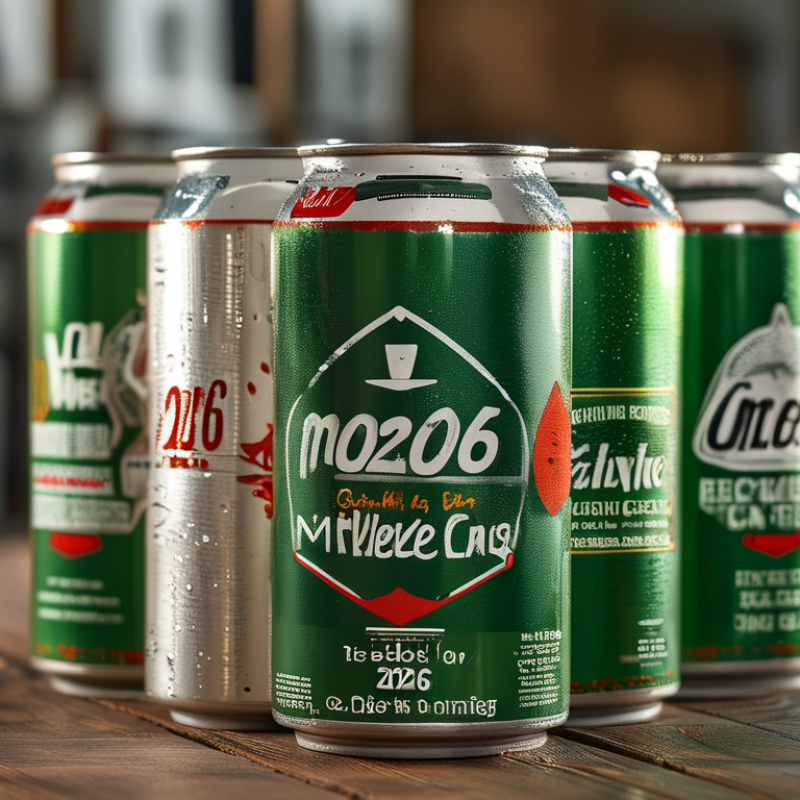
How to Buy Soda Cans Wholesale in 2026?

Define Your Wholesale Soda Can Requirements

Before requesting wholesale soda cans, define the product precisely. Record the beverage formula, carbonation level, fill volume, can diameter, lid type, and planned case quantity. A 330-milliliter can may suit vending channels, while a 500-milliliter format needs stronger pallet planning. Ask suppliers for internal coating details, seam specifications, empty-can weight, and production tolerances. Small differences can affect filling speed and leakage risk. They matter.

Review your sales forecast by month, not only by year. Include launch stock, seasonal peaks, damaged units, and storage limits. A practical starting point is three demand scenarios: conservative, expected, and aggressive. Your forecast may be wrong. That is normal, but an untested forecast can create expensive overstock. The U.S. Environmental Protection Agency reported a 45.2% recycling rate for aluminum beer and soft drink cans in its 2022 Facts and Figures report. The International Aluminium Institute states recycled aluminum requires about 5% of the energy used for primary production. Therefore, document your recycled-content preference and verify supplier evidence. Also compare minimum order quantities, pallet dimensions, lead times, printing methods, and food-contact documentation. Request samples filled with your actual beverage. Empty cans rarely reveal every operational problem.

How to Buy Soda Cans Wholesale in 2026?

Define Your Wholesale Soda Can Requirements

Before requesting wholesale quotations, define the required can volume and pack format. Common beverage-can sizes include 250 ml, 330 ml, 355 ml, and 473 ml. The 330 ml and 355 ml formats are widely used for standard single-serving soft drinks, while 250 ml is suited to smaller portions and 473 ml provides a larger serving size. Actual availability, can diameter, height, end type, and minimum order quantity may vary by market and supplier.

Compare Soda Can Types, Sizes, and Packaging Options

When buying soda cans wholesale in 2026, compare the can type with your product and filling process. Standard cans suit everyday carbonated drinks and usually offer efficient pallet use. Slim cans create a taller, modern appearance, while sleek cans provide a wider profile. Their shapes affect filling speed, label design, storage, and transport stability.

Common sizes include 250 ml, 330 ml, 355 ml, and 500 ml. Smaller cans work well for sampling, vending, and controlled portions. Larger cans may deliver better value for high-volume consumption. Check the can diameter before ordering trays or cartons.

A small mismatch can cause loose packs, crushed corners, or wasted warehouse space. Aluminum cans are light and corrosion-resistant, while steel options may feel stronger but add shipping weight. Confirm the internal coating and food-contact documentation before approval.

Tips:

Request physical samples, not only digital specifications. Test stacking with filled cans. Review the minimum order quantity, pallet pattern, seam quality, and delivery schedule.

Tray packs reduce material use but expose more cans during handling. Cartons offer better protection and cleaner shelf presentation, although they can cost more. Shrink-wrapped bundles suit fast-moving warehouse operations, but heat and tight wrapping require careful quality checks.

A practical mistake is choosing the cheapest pack without testing vibration. I would also leave extra storage capacity. Forecasts are rarely perfect.

Find and Evaluate Reliable Wholesale Suppliers

Buying soda cans wholesale in 2026 starts with supplier evaluation, not a quick price comparison. A reliable supplier should provide clear specifications for can size, alloy, coating, tab type, packing, and pallet count. Ask for recent test reports covering food-contact safety, dimensions, seam strength, and coating performance. Documents should match the factory and shipment details. Vague certificates deserve caution.

Request physical samples before placing a large order. Check dents, sharp edges, print alignment, interior coating, and carton damage under ordinary warehouse lighting. Test several cans from different cartons, not only the best-looking sample. Confirm minimum order quantities, production lead times, payment terms, replacement procedures, and delivery responsibilities in writing. A supplier who answers quickly but avoids evidence is not necessarily dependable. Check carefully.

Traceability matters when a shipment arrives with inconsistent seams or damaged cartons. Ask how batches are coded and how complaints are investigated. An independent quality inspection can verify quantity and visible defects before loading. It costs more, but one missed defect can disrupt filling schedules and retail deliveries. I would compare two or three written quotations, including freight, tooling, storage, and customs-related charges. My judgment can be imperfect. A low quote may hide weak support, while a polished sales process may hide production limits. Small trial orders reveal more than confident promises. Keep every specification, approved sample, and change request in one dated file.

Request Quotes and Verify Wholesale Pricing

How to Buy Soda Cans Wholesale in 2026?

Requesting several wholesale quotes is essential before buying soda cans in 2026. Provide the same details to every supplier: can size, material, printing needs, order quantity, delivery location, and preferred shipping date. This creates a fair comparison. Ask for unit pricing, minimum order quantity, production time, payment terms, and quote validity. A professional supplier should answer clearly and provide a written quotation.

Do not judge a quote by the unit price alone. Check pallet counts, freight charges, taxes, tooling fees, storage costs, and possible handling charges. Request a sample or specification sheet before placing a large order. Confirm the can’s dimensions, coating, closure compatibility, and packaging condition. In my experience, small details often change the final cost. Sometimes, I miss one fee. That mistake is worth remembering.

Tips: Build a simple pricing table. Record the quoted price, delivered cost, lead time, and included services. Ask whether prices change with metal costs or order volume. Verify bank details through an independent business contact, not only an email signature. A short call can reveal unclear terms. Keep every revision. Suppliers may update quotes quickly, and memory is not reliable. Compare at least three offers, but do not choose the lowest price automatically. A slightly higher quote may include stronger packaging, better communication, or more dependable delivery.

Complete the Order, Delivery, and Storage Process

How to Buy Soda Cans Wholesale in 2026?

A wholesale soda order begins with precise specifications. Confirm can size, flavor, quantity per case, pallet count, and expected production date. Ask for ingredient, allergen, and food-contact documentation. Local labeling requirements may also affect the order. Get every detail in a written quotation, including minimum quantities, payment terms, delivery terms, and replacement rules. Keep it written.

Before paying, request a pro forma invoice that matches the quotation. Check the company’s business details, warehouse location, lead time, and customer references. A reliable supplier should explain how damaged, short, or delayed shipments are handled. My practical lesson is simple: low prices can hide weak packaging or uncertain delivery dates. Leave room for questions. Do not rush.

Arrange delivery for a staffed receiving window. Count cartons, inspect pallet wrap, and photograph dents or moisture before signing. Inspect before signing. Record batch numbers and delivery temperatures when appropriate. Move the cans into a clean, dry, ventilated storage area, away from chemicals, direct sunlight, and walls with condensation. Keep cartons on pallets, not on the floor. Use older stock first, while checking dates and can condition regularly. I once underestimated aisle space, and restocking became awkward. Measure the storage area before ordering another full load.

How to Buy Soda Cans Wholesale in 2026? - Complete the Order, Delivery, and Storage Process

Process Stage Recommended Action Typical Wholesale Data Required Documents or Checks Indicative Timing Important Notes
1. Define the Purchase Specification Confirm drink type, flavor, can size, pack format, quantity, delivery location, and required shelf life. Common can sizes: 250 ml, 330 ml, and 355 ml. Common case packs: 12 or 24 cans. Written product specification, target quantity, delivery address, and preferred delivery date. 1–3 business days Pack sizes, pallet patterns, and available flavors vary by supplier and destination market.
2. Request Wholesale Quotations Request itemized quotations from several qualified suppliers using the same specification. Compare price per can, case, pallet, freight, taxes, deposit fees, and payment terms. Formal quotation, quotation validity period, product images, technical sheet, and delivery terms. 2–7 business days A low unit price may exclude freight, customs charges, taxes, or unloading fees.
3. Verify Supplier and Product Compliance Check legal business details, food-safety controls, production capability, and market-specific labeling. Verify lot coding, ingredient declaration, allergen statement where applicable, nutrition panel, and best-before format. Food-safety certificate or audit evidence, product specification, certificate of analysis when required, and label artwork. 3–10 business days Importing countries may impose additional labeling, deposit, recycling, or language requirements.
4. Calculate the Order Quantity Convert the sales forecast into cases and pallets, then add a practical safety stock. Example: 24 cans per case × 60 cases per pallet = 1,440 cans per pallet. Actual pallet capacity varies. Approved forecast, minimum order quantity, pallet dimensions, gross weight, and warehouse capacity. 1–2 business days Use the supplier's confirmed case and pallet configuration rather than assumptions for final calculations.
5. Confirm Price and Trade Terms Agree on currency, payment schedule, delivery responsibility, insurance, taxes, and claims procedure. Typical terms may include advance payment, balance before dispatch, or approved credit terms. Signed quotation or sales contract, pro forma invoice, agreed Incoterm where applicable, and bank details verified independently. 1–5 business days Do not change payment instructions solely from an emailed message; confirm them through an established contact channel.
6. Place and Approve the Purchase Order Issue a purchase order containing every commercial and product requirement. Include stock-keeping reference, flavor, can size, case quantity, unit price, total value, and requested lot or shelf-life requirement. Purchase order, supplier order confirmation, approved artwork if applicable, and payment confirmation. 1–3 business days Order confirmation should match the purchase order on quantity, price, delivery date, and product description.
7. Prepare the Shipment Ask for dispatch details and ensure cases are palletized, wrapped, labeled, and protected from crushing. A full pallet may contain approximately 40–80 cases, depending on can size, case dimensions, and loading restrictions. Packing list, commercial invoice, transport document, lot numbers, pallet count, and customs documents when required. 2–10 business days after order approval Request photos of pallet condition and labels before dispatch for large or cross-border orders.
8. Arrange Delivery and Receiving Book a vehicle suitable for palletized beverages and provide delivery instructions, unloading access, and receiving hours. Domestic delivery commonly takes 1–7 business days; international transit may take several weeks. Delivery appointment, proof of delivery, temperature or damage records when relevant, and receiving checklist. Based on route and transport mode Count pallets and cases before signing. Record shortages, dents, leaks, wet cartons, and visible contamination immediately.
9. Inspect and Accept the Goods Inspect packaging, can integrity, lot codes, quantity, and remaining shelf life before placing stock into inventory. Reject or quarantine swollen, leaking, severely dented, rusty, unlabeled, or contaminated cans. Receiving report, photographs, discrepancy report, lot record, and signed delivery document. Same day as delivery Do not sell damaged cans. Follow the supplier's documented claims window for shortages or quality issues.
10. Store the Canned Drinks Store products in a clean, dry, ventilated area away from sunlight, chemicals, moisture, and heat sources. Use the product label for the official storage instruction; avoid freezing and prolonged high temperatures. Location record, lot tracking, pest-control checks, stock rotation record, and inventory count. Continuous control Keep cases off the floor on pallets or shelving, maintain aisle access, and use FEFO: first expiry, first out.
11. Manage Inventory and Reordering Track sales, damaged units, lot numbers, shelf life, and reorder points for each product variation. Reorder point = average daily sales × supplier lead time + safety stock. Inventory system or spreadsheet, cycle-count records, sales forecast, and supplier lead-time history. Weekly or monthly review Adjust safety stock for seasonal demand, promotions, transport delays, and minimum order quantities.
Planning note: Quantities, lead times, pallet capacity, shelf-life requirements, taxes, and delivery costs are indicative planning values. Confirm the final figures with the selected supplier, carrier, and applicable food-import authorities before placing an order.
en_USEnglish