
Request a Quote
  • Affiliates

What Are Breathing Strips and How Do They Work?

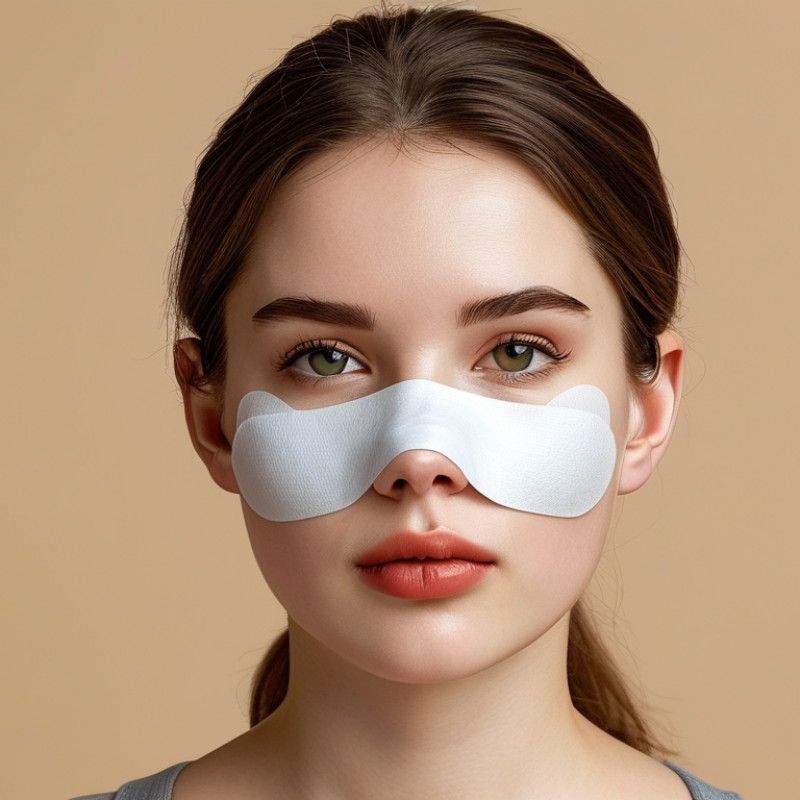
Breathing Strips are small adhesive bands placed across the outside of the nose. They gently lift the nasal skin and may help widen the nasal passages. Imagine opening a narrow window by a few millimeters. That small change can make airflow feel easier, especially during exercise, sleep, or temporary nasal congestion.

These strips do not push air into the lungs. They work mechanically, not medicinally. Most designs use a flexible spring-like center with adhesive edges that hold the strip above the nostrils. When applied to clean, dry skin, the strip creates mild outward tension. Some users notice quieter breathing or less mouth breathing at night. Others notice little difference. Personal anatomy matters.

The evidence is useful, but not perfect. Breathing Strips may improve the feeling of airflow, yet they cannot treat asthma, sleep apnea, a deviated septum, or a nasal infection. They also do not replace professional diagnosis. A strip can feel helpful. That does not prove the underlying problem is solved. This distinction is easy to miss.

A careful look at their design, possible benefits, limitations, and safe use can help readers make informed choices. Skin irritation may occur, particularly with sensitive skin or repeated use. Remove the strip slowly. Stop if discomfort develops. If loud snoring, breathing pauses, chest tightness, or persistent congestion continues, medical advice is more appropriate than another strip. Small tool. Limited promise. Worth examining.
What Are Breathing Strips and How Do They Work?

What Are Breathing Strips?

What Are Breathing Strips?

Breathing strips are small adhesive bands placed across the outside of the nose. They use gentle spring-like tension to lift the skin near the nasal valve. This can create more room for air to pass through the nostrils. The effect is mechanical, not medicinal. Nothing enters the nasal passage.

Many users notice easier nasal breathing during exercise, seasonal congestion, or sleep. A 2021 review in the Journal of Clinical Sleep Medicine found that external nasal dilators may improve perceived airflow, but results for snoring and sleep quality remain inconsistent. The evidence is not perfect. Some people feel a clear difference; others notice little change.

That distinction matters. The American Academy of Sleep Medicine estimates that about 29.4 million adults in the United States have obstructive sleep apnea, based on its 2019 analysis. Breathing strips cannot prevent throat collapse or replace professional testing. They may support nasal airflow, especially when the nose feels narrow, blocked, or dry. Skin irritation is possible, particularly after repeated use or removal from sensitive skin. Try a small area first. A strip can help the nose, but it cannot solve every breathing problem.

How Breathing Strips Are Designed

Breathing strips are designed as external nasal dilators, not as medicine. Their thin, flexible center creates gentle spring tension. Small adhesive ends anchor the strip across the bridge of the nose. When applied, the strip pulls the outer nasal walls slightly upward and outward. This may reduce the feeling of nasal resistance during sleep or exercise.

The design depends on balance. A strip must be firm enough to lift the skin, yet flexible enough to follow facial movement. Its rounded edges help reduce peeling and discomfort. The adhesive layer is usually made for short-term skin contact. Clean, dry skin improves placement. Avoid oily skin, open cuts, or irritated areas. I once assumed stronger tension meant better breathing. That is not always true. Excessive pull can cause redness without improving airflow.

Most strips work near the nostrils, where soft tissue can narrow during inhalation. They do not clear mucus or open deeper airways. Their effect may also change with allergies, facial structure, or sleeping position. A practical test is simple: place one gently above the nostril flare and check comfort in a mirror. It should stay secure without stretching the skin painfully. People with persistent congestion, loud snoring, or suspected sleep apnea need professional assessment. A strip can support airflow comfort, but it cannot diagnose or treat an underlying respiratory condition.

What Are Breathing Strips and How Do They Work? - How Breathing Strips Are Designed

Design Dimension Typical Design or Material How It Works Practical Considerations
Primary Function External nasal dilator worn across the bridge of the nose Applies gentle outward tension to the sides of the nose, helping reduce external narrowing of the nasal passages It acts from outside the nose and does not directly treat conditions located deeper in the nasal airway
Structural Layer A flexible adhesive strip containing one or more spring-like support elements When applied, the strip attempts to return toward its original shape and gently lifts the nasal skin The lifting effect depends on strip stiffness, shape, placement, and the user’s nasal anatomy
Adhesive Layer Skin-contact adhesive designed for temporary use Keeps the strip attached while allowing the support element to exert outward force Clean, dry skin generally improves adhesion; oils, sweat, and facial products may reduce wear time
Placement Area Across the upper or middle portion of the nose, depending on the strip design Positioning over the area that tends to narrow during inhalation allows the strip to provide mechanical support Placement should follow the product instructions and avoid irritated, broken, or sunburned skin
Airflow Mechanism Mechanical widening of the external nasal valve region May decrease resistance to airflow through the front part of the nose, especially when the sidewalls collapse inward The effect is usually more noticeable when nasal blockage is related to external narrowing rather than congestion alone
Breathing Benefit Non-medicated support for nasal breathing Can make nasal breathing feel easier for some people by improving the physical opening at the front of the nose Individual results vary; improved airflow does not guarantee better sleep or resolve every breathing problem
Use During Sleep Designed to remain on the nose during a temporary period, often including nighttime use Supports the nasal sidewalls while the wearer is lying down and breathing through the nose It should not be considered a substitute for professional evaluation of loud snoring, pauses in breathing, or suspected sleep apnea
Drug-Free Operation External mechanical design without a decongestant ingredient Provides physical support rather than changing blood flow or reducing inflammation inside the nasal tissue People with medication sensitivities may prefer a non-medicated option, but adhesive sensitivity remains possible
Skin Compatibility Materials selected for short-term contact with intact skin The adhesive holds the strip in place without requiring insertion into the nostrils Redness, itching, discomfort, or skin damage may occur; discontinue use if irritation develops
Size and Shape Curved, tapered, or segmented forms in multiple sizes The geometry helps match the contour of the nose and distribute lifting force across the strip A strip that is too small may provide limited support, while one that is too large may feel uncomfortable or peel at the edges
Main Limitation External support only It cannot remove mucus, shrink swollen tissue, correct a deviated septum, or replace treatment for an underlying medical condition Persistent nasal obstruction, breathing difficulty, or sleep-related symptoms should be discussed with a qualified healthcare professional

How Breathing Strips Work on the Nose

Breathing strips are flexible adhesive bands placed across the nose. Their small spring-like tension gently lifts the skin above the nasal valves. This can widen the narrowest part of the nasal passage. You may feel more air at the nostrils, especially during exercise or sleep.

The effect is mechanical, not medicinal. A strip cannot reduce swollen tissue or open the throat. It also does not treat obstructive sleep apnea.

In a Cochrane review of nasal dilators, researchers found insufficient evidence that these devices meaningfully reduce apnea severity. A systematic review in Sleep Medicine Reviews reported similar findings: nasal airflow may improve, while sleep quality and breathing interruptions often show limited change.

Placement matters. Clean, dry skin helps the adhesive hold, while positioning the strip too high may feel useless.

I have found that comfort varies with nose shape, congestion, and sleeping position. That variability deserves more attention.

A 2023 report from the American Academy of Sleep Medicine continues to emphasize medical assessment for persistent snoring, gasping, or daytime sleepiness. Do not treat those signs as simple nasal blockage. Breathing strips may support easier nasal breathing, but they are not a substitute for diagnosis or prescribed care.

Common Types and Materials of Breathing Strips

Breathing strips are small devices designed to widen the nasal passage during sleep, exercise, or temporary congestion. The most familiar type is the external nasal strip. It usually combines a flexible plastic spring with a fabric backing and skin-friendly adhesive. When placed across the bridge of the nose, the strip gently lifts the sidewalls outward. This can make airflow feel less restricted, although it does not remove mucus or treat the underlying cause of congestion.

Internal nasal dilators work differently. They sit just inside the nostrils and use soft silicone, medical-grade polymer, or flexible plastic to support the nasal openings. Some are shaped as small arches; others use two rounded supports connected by a bridge. Silicone feels smoother against delicate tissue, while firmer polymers may provide stronger expansion. Material choice matters. A rigid device can feel effective, but it may cause pressure or soreness after several hours.

Adhesive quality also deserves attention. A breathable fabric layer can reduce trapped sweat, while a strong adhesive may stay in place during movement. Still, stronger is not always better. People with sensitive skin may notice redness, itching, or peeling after removal. In my view, breathing strips are most useful when the problem is mild nasal narrowing, not severe breathing difficulty. Their comfort can vary with nose shape, skin oil, humidity, and placement. Careful testing is sensible. Stop using one if irritation continues or breathing problems remain unexplained.

Uses, Benefits, and Limitations of Breathing Strips

What Are Breathing Strips and How Do They Work?

Uses, Benefits, and Limitations of Breathing Strips

Breathing strips are adhesive bands placed across the outside of the nose. They gently lift the nasal sidewalls. This can widen the front of the nasal passage and make airflow feel easier. The strips do not deliver medicine. Their action is mechanical, not chemical. Many people use them at night, during exercise, or when nasal breathing feels restricted.

Some users notice less mouth breathing, quieter sleep, or a more comfortable workout. Athletes may appreciate the simple design because strips are lightweight and require no batteries. They can also help people who experience occasional nasal narrowing while lying down. Results differ, however. A strip cannot remove mucus, shrink swollen tissue, or cure allergies. It will not treat obstructive sleep apnea.

The limitations matter. Skin may become red, itchy, or sore after removal. Applying a strip to clean, dry skin usually improves adhesion and reduces slipping. It should never cover broken or irritated skin. A short personal trial can be useful, but disappointment is possible. If loud snoring, choking during sleep, or daytime exhaustion continues, medical advice is more appropriate. Nasal blockage can have several causes, including allergies, structural differences, or infection. A breathing strip may improve comfort, yet it does not explain the underlying problem.

en_USEnglish