What is the best wood for packaging solutions?
When considering packaging solutions, the choice of materials plays a crucial role. Wood for packaging stands out as a sustainable and versatile option. Various types of wood offer unique benefits, making them suitable for different applications.
Pine, for instance, is lightweight and easily available. It is often used for crates and pallets. On the other hand, hardwoods like oak and maple are more durable. They provide excellent protection for fragile items. However, the cost can be a concern for some businesses.
While wood for packaging has many advantages, challenges exist. Issues like moisture control and pest resistance can affect wood integrity. Businesses must weigh these factors against the benefits. Understanding the specific needs of the product and the environmental impact of wood choices is essential for making informed decisions.
Types of Wood Commonly Used for Packaging Solutions
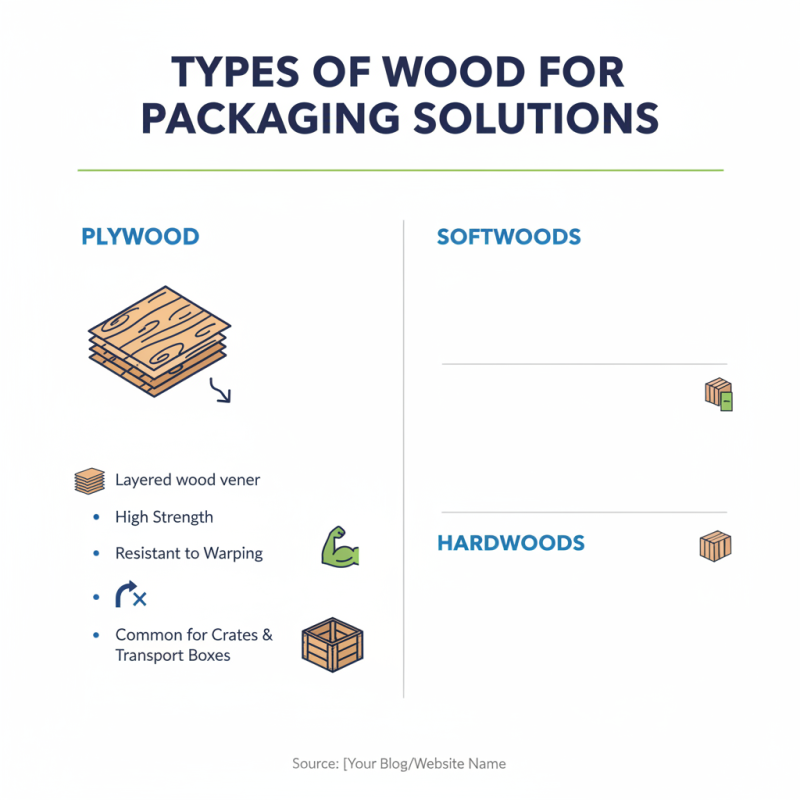
When considering wood for packaging solutions, several types stand out due to their durability and versatility. Plywood is a common choice, known for its strength. It is made by layering thin sheets of wood veneer. This construction method provides significant resistance to warping. Plywood is often used for crates and transport boxes.
Softwood varieties, like pine, are also frequently utilized. Pine is not only lightweight but also easy to work with. Its natural properties offer some resistance to moisture and insects. Consequently, it is a practical option for many packaging applications. Another alternative is oriented strand board (OSB), which is engineered for strength. OSB is made from wood strands, making it a cost-effective choice for large packaging needs.
However, the choice of wood also has its challenges. Sourcing sustainable wood can be difficult. This leads to issues with environmental responsibility. Moreover, some types of wood can splinter easily, affecting product safety. Selecting the right wood requires careful consideration of both benefits and potential drawbacks. Organizations must weigh their options thoroughly.
Characteristics and Properties of Packaging Woods
When choosing wood for packaging solutions, several characteristics are crucial.
Durability is paramount.
Strong woods resist wear and tear during transportation. Some types absorb shock well, protecting contents inside.
Weight matters too. Lightweight options reduce shipping costs.
The wood's grain affects appearance. A fine finish can enhance branding.
It's important to consider environmental impact. Sustainable sources are preferable.
Some woods are easier to recycle than others. This can influence long-term costs and sustainability.
Lastly, moisture resistance is vital.
Woods that warp or swell when exposed to humidity won't perform well. Packaging must remain intact under various conditions.
Recognizing these details can help in making informed decisions. Each type of wood has its pros and cons.
Reflection on specific needs will lead to better choices.
Environmental Impact of Using Wood for Packaging
Wood packaging solutions have gained attention due to their environmental impact. As more industries consider sustainability, wood becomes a popular choice. It’s biodegradable and often sourced from renewable forests. This can help reduce the carbon footprint compared to plastic or metal packaging.
However, the wood sourcing process isn’t without flaws. Deforestation remains a serious concern. Not all wood comes from sustainable practices. Some companies lack transparency in their supply chains. This can lead to habitat destruction and loss of biodiversity. It’s crucial for businesses to ensure responsible sourcing of their wood materials.
The cost-effectiveness of wood packaging also comes with challenges. While it’s often cheaper than alternatives, the quality can vary. Thin, low-quality wood might not provide adequate protection during shipping. Businesses must weigh the trade-offs between cost and environmental impact. Achieving a balance between sustainability and functionality requires careful thought.
Comparative Benefits of Wood Over Other Packaging Materials
Wood has emerged as a compelling choice for packaging solutions, often outshining traditional materials like plastic and cardboard. According to the International Wood Products Association, wood is naturally durable and biodegradable. This stands in stark contrast to plastic, which can take hundreds of years to decompose. Utilizing wood for packaging reduces waste and promotes a circular economy.
Studies indicate that wood packaging can reduce carbon emissions significantly. In fact, the Forest Products Laboratory estimates that using wooden pallets instead of plastic can save over 36% in greenhouse gas emissions. Wood's strength and versatility make it suitable for various products, from fragile items to heavy machinery.
Tips: When selecting wood for packaging, consider sustainable sources. Certified lumber has less environmental impact. Always evaluate the lifecycle of your materials. A deeper understanding of material choices can lead to more sustainable, effective packaging strategies.
Trends in Sustainable Wood Sourcing for Packaging Applications
Sustainable wood sourcing is gaining traction in packaging. Companies are exploring eco-friendly materials. They look for options that reduce their carbon footprint. This shift reflects a greater awareness of environmental issues.
Forests are renewable resources, but they must be managed wisely. Sustainable sourcing focuses on responsibly harvested wood. It can come from certified forests. Recycled wood is also a great option. These practices not only protect ecosystems but also meet consumer demands.
The challenge lies in balancing cost and sustainability. Some businesses hesitate to invest in green solutions. However, as awareness grows, more are adapting. They recognize the long-term benefits of sustainable wood. Quality and reliability in packaging are crucial. Thus, companies must carefully evaluate their sourcing choices. This journey toward sustainability is ongoing, and reflection is vital.








 English
 Polski
  Čeština