Best Foam in Packaging Solutions for Safe Shipping?
Foam in packaging has become essential for ensuring safe shipping. According to Statista, the global protective packaging market is projected to reach $40 billion by 2027. Among these materials, foam solutions stand out due to their superior cushioning properties. They not only provide shock absorption but also offer customized shapes for various products.
In recent years, supply chain disruptions have highlighted the importance of effective packaging. Damaged goods can lead to significant financial losses. A report from the Packaging Association indicates that over 30% of shipping damage is related to inadequate packaging. This emphasizes the need for quality foam in packaging strategies.
However, not all foam solutions are created equal. Businesses must carefully evaluate material options, thickness, and density to suit specific needs. The ongoing challenge is to balance cost-effectiveness with high protection standards. Finding the right foam in packaging requires ongoing assessment and adaptation.
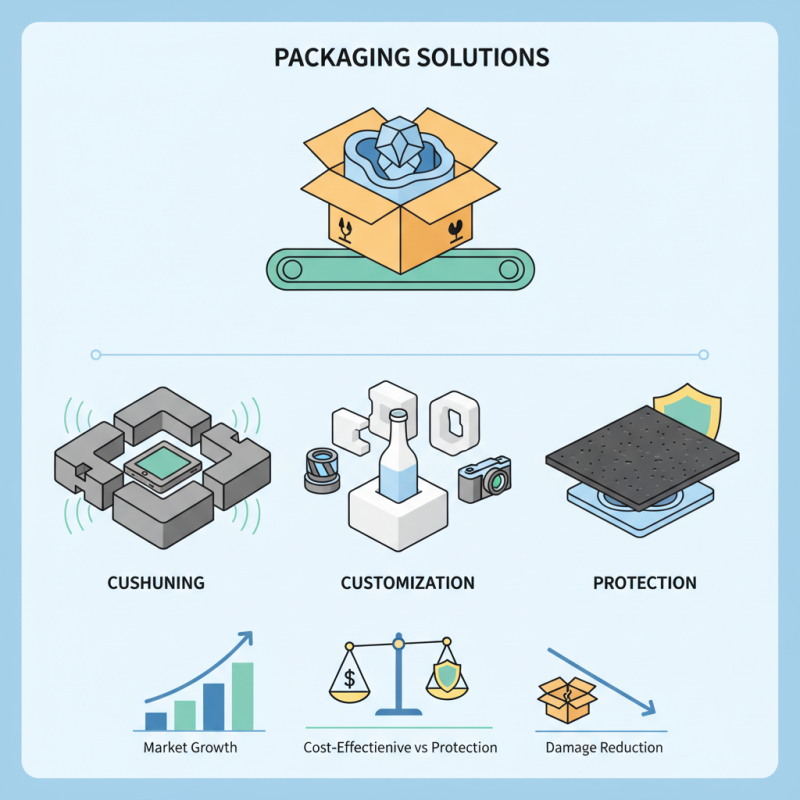
Types of Foam Used in Packaging Solutions
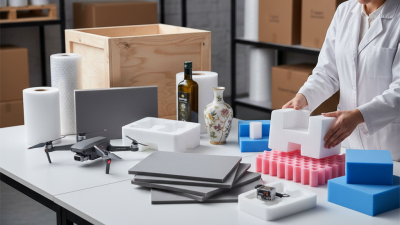
When it comes to packaging solutions, foam plays a critical role in product protection. Various types of foam are commonly used, each with its unique properties. Polyethylene foam is lightweight yet durable. This foam is resistant to moisture and chemicals, making it ideal for electronics and fragile items. It provides excellent cushioning while being cost-effective.
Ethafoam is another option. It has a softer texture and can easily conform to various shapes. This adaptability helps in effectively securing odd-shaped products. However, Ethafoam can be less durable over time. Users must consider the specific needs of their products.
Memory foam, although not as common in shipping, offers exceptional shock absorption. It molds around the items, creating a snug fit. However, it may be more expensive than other options and could lead to higher shipping costs. Choosing the right foam type can be tricky but essential for ensuring your products arrive safely.
Best Foam Types for Packaging Solutions
Benefits of Foam for Safe Shipping
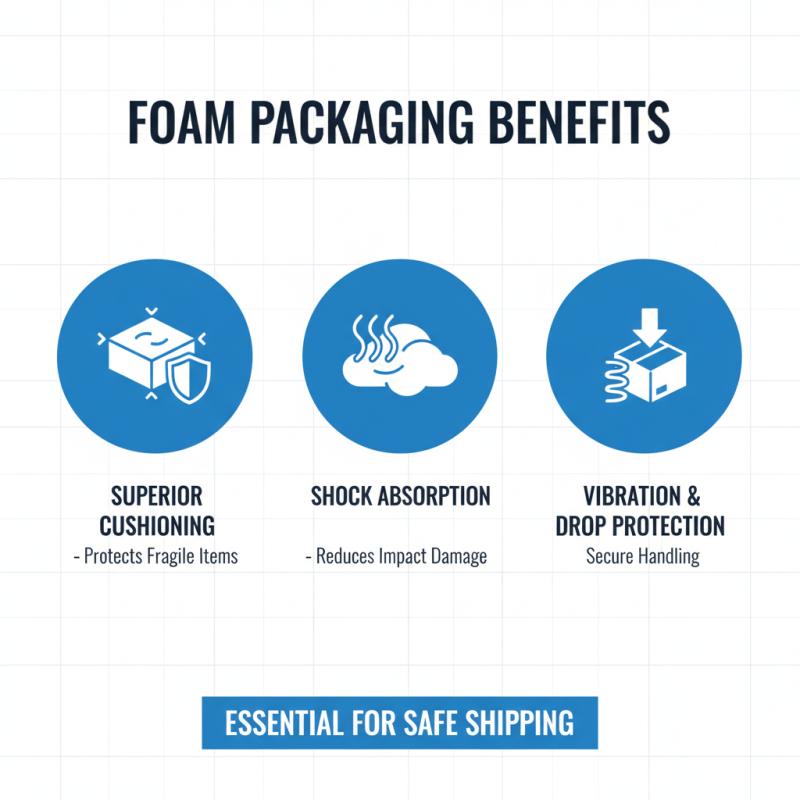
Foam has become a vital material in packaging solutions. It provides excellent cushioning for fragile items during shipping. The soft texture of foam absorbs shocks effectively, reducing the chances of damage. When packaged with foam, products are better protected from drops, vibrations, and rough handling.
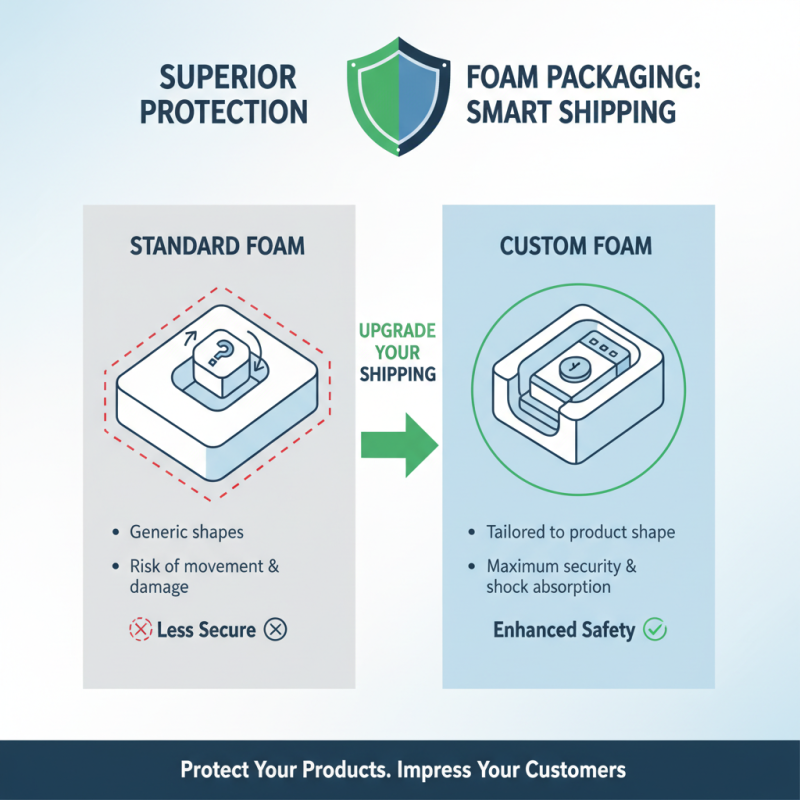
Another benefit is the lightweight nature of foam. This prevents excess shipping costs, making it an economical choice. Furthermore, foam can be easily shaped to fit any item snugly. This customized fit reduces movement within the box, enhancing protection. However, achieving the perfect fit can be challenging. Sometimes, gaps are left that may compromise safety.
Recycling foam remains a concern. It often ends up in landfills. This aspect requires more attention. Sustainable alternatives are emerging, but they may lack the same protective qualities. Finding balance between effective protection and environmental responsibility is crucial in foam packaging solutions.
Factors to Consider When Choosing Foam Packaging
When selecting foam packaging, several factors play a crucial role. The type of foam is essential. Polyurethane foam excels in cushioning fragile items. However, it may not be the most environmentally friendly option. Consider biodegradable alternatives. While they may offer less shock absorption, they could align better with sustainability goals.
Size and shape matter too. Custom cuts ensure that your products fit snugly. This reduces movement during transit. Yet, custom solutions can be more expensive. Weigh the cost against the potential for damage. Also, think about the density of the foam. A higher density often means better protection, but it can add weight to the shipping costs.
Lastly, don’t overlook the cost. Quality foam can be pricey. It’s tempting to cut corners to save money. However, inadequate protection can lead to damaged goods. This, in turn, leads to unhappy customers and returns. Evaluation of trade-offs is necessary. Balancing cost and quality is key for successful shipping solutions.
Comparative Analysis of Foam vs. Other Packaging Materials
The choice of packaging materials significantly impacts product safety during shipping. Foam packaging has become a popular option due to its lightweight and cushioning properties. According to a 2022 industry report, foam packaging can reduce damage rates by up to 30%. In contrast, traditional materials like cardboard or plastic do not provide the same level of shock absorption. However, some users find foam can produce excess waste, leading to environmental concerns.
While foam is effective, it’s crucial to evaluate alternatives. For instance, biodegradable packaging solutions are emerging. These materials can provide decent protection while being more eco-friendly. The 2023 Packaging Sustainability Report mentions that 68% of consumers prefer brands that use sustainable packaging. This trend prompts a shift in packaging strategies.
Tips:
Ensure proper sizing. Too much space can lead to movement and potential damage.
Consider dual-layer packaging. Combining foam with other materials can enhance protection.
Evaluate recycling options. Not all foam is recyclable, leading to waste issues. Caring for the environment should still be a priority.
Best Foam in Packaging Solutions for Safe Shipping
| Packaging Material |
Protection Level (1-10) |
Cost per Unit ($) |
Weight per Unit (kg) |
Eco-Friendliness (1-10) |
Versatility (1-10) |
| Foam |
9 |
0.50 |
0.02 |
6 |
8 |
| Bubble Wrap |
8 |
0.30 |
0.05 |
5 |
7 |
| Cardboard |
7 |
0.25 |
0.15 |
7 |
6 |
| Paper |
6 |
0.20 |
0.10 |
9 |
5 |
| Packing Peanuts |
6 |
0.15 |
0.01 |
8 |
4 |






 English
 Polski
  Čeština