Best Chips Packaging Film Solutions for Global Buyers?
In the dynamic world of packaging, "Chips Packaging film" stands out as an essential component for product preservation. Experts like Dr. Alice Harper, a renowned packaging engineer, emphasize, "The right film can significantly enhance the shelf life of snacks." As global buyers search for effective solutions, the need for quality packaging has never been higher.
The challenge lies in balancing functionality with sustainability. Many brands face difficulties in sourcing films that not only protect their products but are also eco-friendly. Finding reliable suppliers who understand these dual needs is vital. The complexity of materials and regulations adds to this dilemma.
Moreover, the rapid evolution of consumer preferences complicates the decision-making process. Buyers must consider varying market trends while selecting films. There’s a pressing need for innovation in this sector. Overlooking these factors can lead to packaging failures, impacting brand reputation and sales. Properly addressing these concerns is key to achieving success in Chips Packaging film solutions.
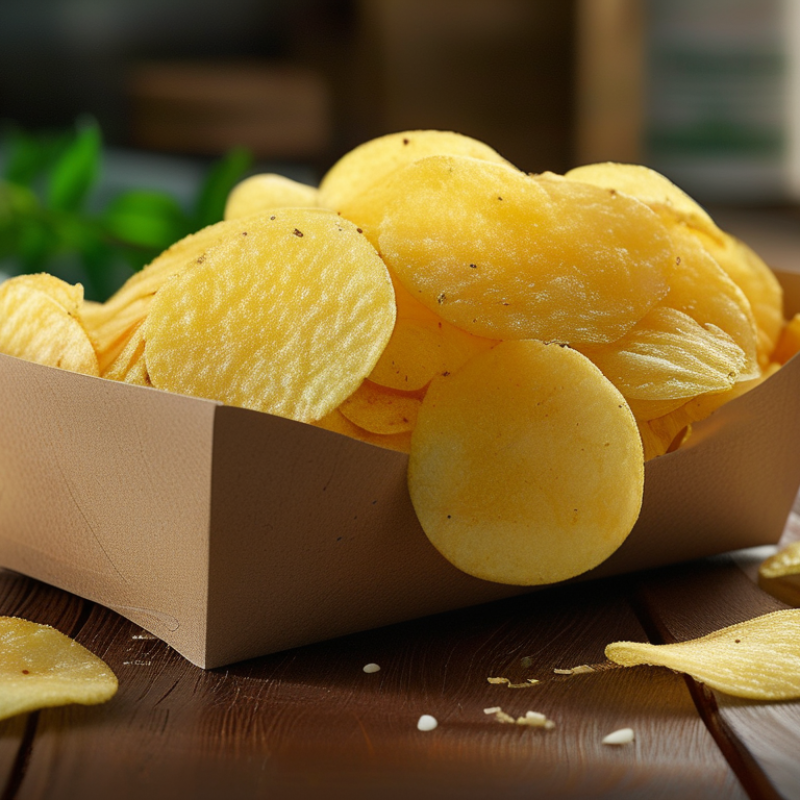
Best Chips Packaging Film Solutions: Material Options Overview
Choosing the right packaging film for chips is crucial in ensuring product freshness and extending shelf life. Various materials, such as polyethylene, polypropylene, and biodegradable options, offer different advantages. Polyethylene is common due to its cost-effectiveness and moisture resistance. However, it may not provide the same barrier against oxygen and light as other materials.
Polypropylene offers a superior barrier, which can enhance the shelf life of chips. It is known for its durability and clarity, allowing for attractive packaging designs. According to a recent study, chips packed in polypropylene maintained freshness for longer periods than those in traditional materials. In contrast, biodegradable films are gaining traction. They appeal to environmentally conscious consumers, aiming to reduce plastic waste.
Each material has its trade-offs. For instance, while biodegradable options are eco-friendly, they may not have the same mechanical strength as conventional plastics. It's essential for manufacturers to balance shelf life, cost, and environmental impact. Understanding these material properties is key for global buyers aiming to make informed decisions. The packaging industry is evolving, and staying updated on material performance helps ensure that products meet consumer expectations.
Advantages of Various Chips Packaging Films for Global Markets
In the evolving landscape of chips packaging, several film materials are gaining traction among global buyers. One key advantage of multi-layer films is their excellent barrier properties, preserving freshness and crunchiness for longer periods. According to a recent market analysis, approximately 35% of consumers prioritize packaging that extends product shelf life without compromising flavor. With growing concerns about food waste, this feature becomes crucial in meeting customer expectations.
Another noteworthy option is biodegradable films, which appeal to eco-conscious consumers. Research indicates that around 40% of millennial buyers are willing to pay a premium for sustainable packaging. These films not only reduce environmental impact but also enhance brand loyalty among environmentally aware consumers. However, their cost-effectiveness remains a challenge, as biodegradable materials typically require more investment than traditional plastics.
Interestingly, the right choice of chips packaging film can influence purchasing decisions. Data shows that attractive packaging can increase product visibility on shelves by 25%. Buyers must consider not just functionality but also aesthetics. Yet, the challenge lies in balancing these factors; a visually appealing design that fails in functionality can hurt the brand's reputation. Striking this balance is critical for sustaining consumer interest in the competitive snack market.
Best Chips Packaging Film Solutions for Global Buyers
| Film Type | Material | Barrier Properties | Thickness (microns) | Environmental Impact | Cost (per kg) |
| BOPP | Biaxially Oriented Polypropylene | Moderate barrier to moisture and oxygen | 20-50 | Recyclable | $2.00 |
| CPP | Cast Polypropylene | Excellent moisture barrier | 30-60 | Recyclable | $1.80 |
| PET | Polyethylene Terephthalate | High barrier to oxygen | 12-25 | Recyclable | $3.00 |
| PLA | Polylactic Acid | Biodegradable, moderate barrier | 50-200 | Biodegradable | $2.50 |
| PA | Polyamide | Excellent barrier to gases | 20-70 | Recyclable | $2.80 |
Key Factors in Choosing Chips Packaging Film for Different Needs
When selecting chips packaging film, several critical factors must be considered. The material type plays a pivotal role in the product's shelf life and freshness. Polyethylene (PE) is popular due to its durability and moisture resistance. However, more advanced films like multilayer structures enhance barrier properties significantly. According to a 2021 industry report, films with improved barrier characteristics reduce oxygen transmission rates by up to 80%. This can dramatically affect the quality and taste of the chips over time.
The thickness of the film is another essential aspect. Thicker films provide better protection against physical damage but can increase material costs. In contrast, thinner films may save money but could jeopardize product integrity. A balance is crucial. Recent market analysis indicates that around 45% of global buyers prioritize durability in their purchasing decisions, often willing to pay a premium for enhanced shelf life. Streamlining production lines with efficient packaging processes is also necessary, as improper sealing can lead to spoilage.
Lastly, sustainability is becoming a more significant concern. Eco-friendly materials are gaining traction, as 30% of consumers show a preference for brands that prioritize environmental impact. However, transitioning to sustainable solutions often presents challenges. Buyers must evaluate trade-offs between performance and environmental responsibility. Each decision impacts not just the chips but also the larger ecosystem. Awareness of these factors can guide buyers in making informed choices.
Sustainability Trends in Chips Packaging Film Solutions
Sustainability is a driving force in chips packaging film solutions. Buyers are increasingly aware of environmental impacts. Traditional packaging often contributes to plastic waste and pollution. The shift towards sustainable materials reflects this growing concern.
Biodegradable films are rising in popularity. These options break down naturally, reducing landfill waste. Compostable materials are another avenue for sustainable packaging. They meet consumer demand for eco-friendly solutions. However, the transition is not without challenges. Many sustainable options still require further development. Their performance in preserving freshness remains a topic of ongoing research and discussion.
Recyclability is also crucial. Packaging that can be reused or recycled reduces environmental footprints. Yet, not all packaging labeled as recyclable is effectively processed. A clear understanding of local recycling systems is necessary. Many consumers find this confusing, which adds to the difficulty of adopting sustainable practices. Despite these hurdles, the movement towards eco-friendly chips packaging shows promise. It invites innovation and reflection on the industry's role in a sustainable future.
Sustainability Trends in Chips Packaging Film Solutions
Innovative Technologies in Chips Packaging Film Development
Innovative technologies in chips packaging film development have transformed the snack industry. A recent report from Smithers Pira indicates that the global flexible packaging market is projected to reach $250 billion by 2024. As consumer demand for fresh and convenient snack foods grows, functional packaging solutions have become essential.
Advanced materials such as bioplastics and multi-layer films enhance the shelf life of chips. These materials are designed to reduce oxygen and moisture transfer, keeping snacks fresher for longer. Research from the Packaging Association highlights that around 30% of consumers prefer packaged chips that utilize eco-friendly materials. Yet, the transition to sustainable films presents challenges in cost and production processes.
In addition, smart packaging technologies are emerging. These include RFID tags and QR codes, allowing brands to engage with consumers directly. A survey by Packaging Insights revealed that up to 40% of millennials are likely to purchase a product with smart technology. Despite these advancements, many companies still struggle with integrating these technologies effectively into their production lines. Reflecting on this, the industry must seek balance between innovation and practical application.


 English
 Polski
  Čeština