Top 10 Benefits of Clean Room Packaging for Pharmaceutical Applications?
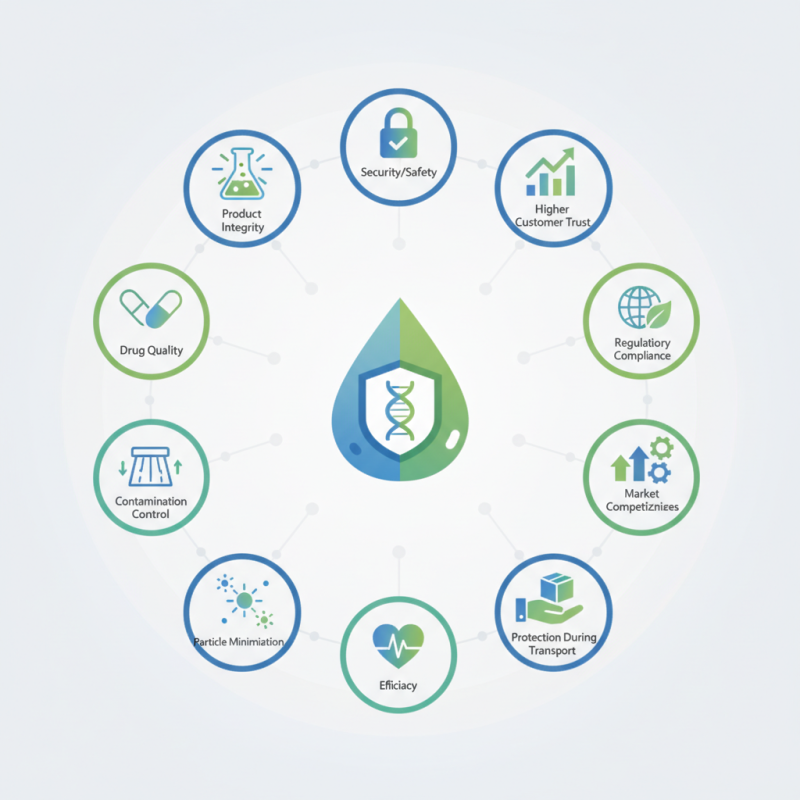
Clean room packaging plays a crucial role in the pharmaceutical industry. This method ensures that products remain uncontaminated during storage and transport. Contaminants can lead to serious issues in drug quality and efficacy. By using clean room packaging, companies can meet strict regulatory standards.
In a clean room environment, particles are minimized. Air filtration systems keep the atmosphere pristine. Such controlled settings help safeguard sensitive pharmaceutical materials. However, achieving and maintaining these standards can be challenging. Not all facilities have the resources needed for both clean room and packaging requirements.
Investing in clean room packaging can be costly. Smaller companies might find this a significant hurdle. Yet, the benefits can outweigh the initial expenditure. Improved product integrity can lead to higher customer trust. Ultimately, clean room packaging may enhance overall market competitiveness.
Importance of Clean Room Standards in Pharmaceutical Packaging
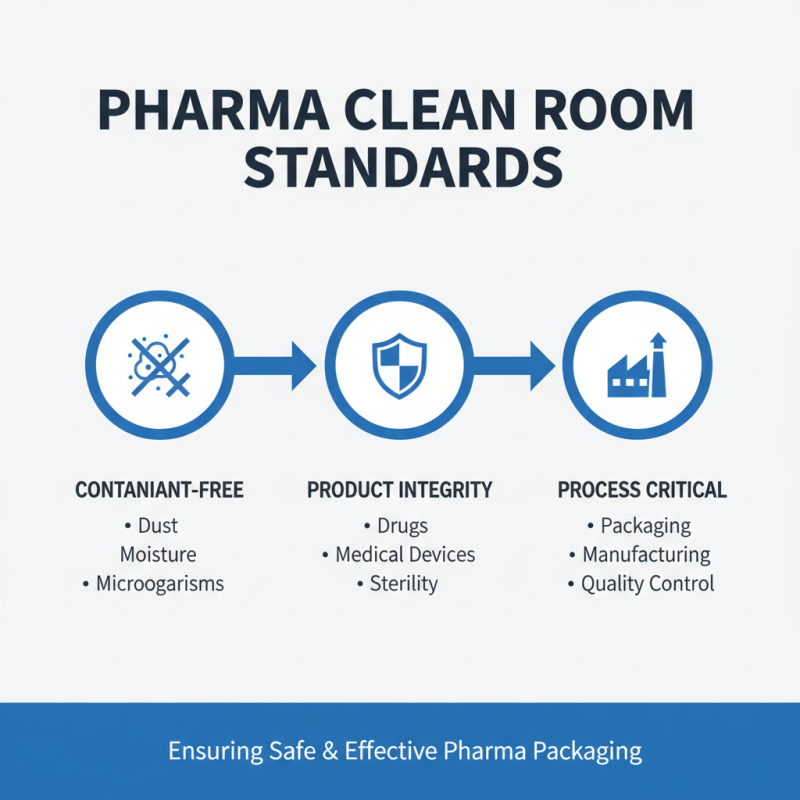
Clean room standards play a crucial role in pharmaceutical packaging. These standards ensure that products remain uncontaminated throughout the packaging process. The pharma industry requires an environment free from dust, moisture, and micro-organisms. This is vital for maintaining the integrity of drugs and medical devices.
Clean rooms are controlled environments. They maintain a specified level of cleanliness. These spaces often feature HEPA filters and strict airflow management. Employees wear protective clothing to avoid introducing contaminants. Despite these measures, human error can still lead to contamination. Continuous training and monitoring are essential, yet challenges remain.
Pharmaceutical packaging must adhere to stringent regulations. Failing to meet clean room standards can have serious implications. Contaminated products could harm patients. The industry must remain vigilant. Emphasizing clean room protocols can prevent costly mistakes. Regular audits also help identify areas for improvement. Every detail counts in maintaining product safety.
Enhanced Product Safety Through Controlled Environments
Clean room packaging is critical in the pharmaceutical sector. It enhances product safety in ways that are hard to overlook. According to the International Society for Pharmaceutical Engineering, contamination can lead to significant product recalls. Each recall can cost a company millions, not to mention the damage to reputation. Clean environments help mitigate these risks.
Controlled conditions reduce the presence of airborne particles significantly. A study revealed that clean rooms minimize contamination levels to as low as 0.1 particles per cubic meter. This is essential for sensitive pharmaceuticals that demand high reliability. However, maintaining these conditions requires constant monitoring and strict protocols. The process can be time-consuming and costly.
Moreover, it’s not just about eliminating dust. Microbial contamination poses a serious threat. The FDA reports that about 30% of pharmaceutical recalls are due to microbial threats. Clean room packaging helps ensure that products remain uncontaminated throughout their lifecycle. Despite the benefits, some companies struggle with the upfront investment required for clean room facilities. These challenges warrant continued reflection and innovation in the approach to clean room technologies.
Reduction of Contamination Risks in Drug Manufacturing Processes
In drug manufacturing, contamination risks are a major concern. Clean room packaging plays a vital role in addressing this issue. It creates a controlled environment where airborne particles, microbes, and other contaminants are minimized. This ensures that the pharmaceutical products remain pure and safe for use.
The design of clean room packaging is essential. It often includes special materials that resist moisture and static. These materials help protect drugs from environmental factors that could compromise their integrity. However, even the best systems can have flaws. For instance, packaging may not seal perfectly every time. These small gaps can allow contaminants in, leading to potential risks.
Moreover, the handling of clean room packaged products must be precise. Staff needs to wear appropriate gear to prevent introducing contaminants. Intentional and regular training is necessary. Yet, human error can occur. A lapse in protocol or oversight during the packaging process can also lead to contamination. Continuous improvement and vigilance are necessary to reduce these risks effectively.
Cost-Effectiveness of Clean Room Packaging Solutions
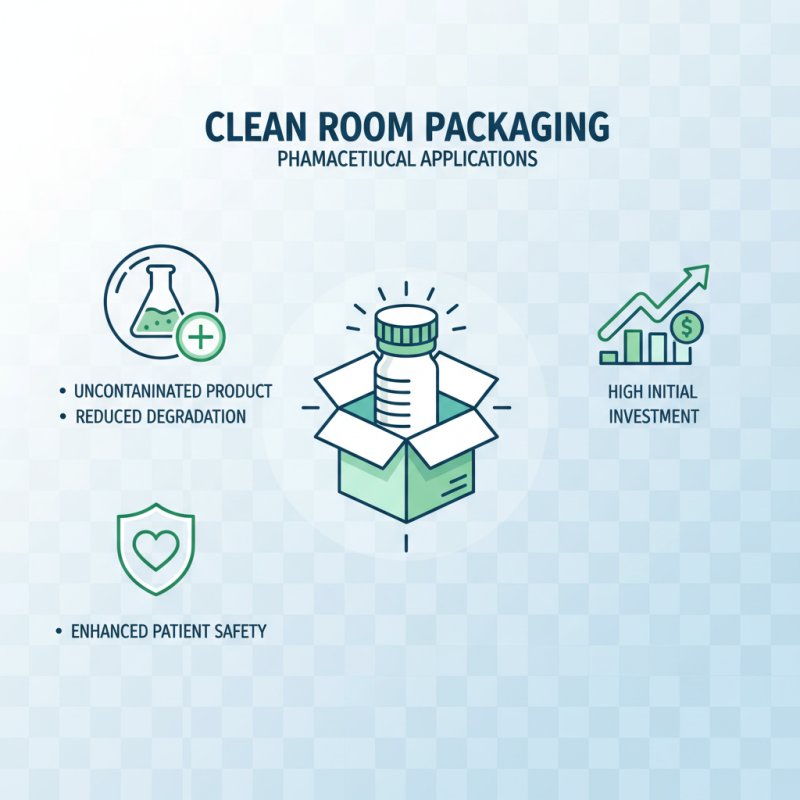
Clean room packaging plays a crucial role in pharmaceutical applications. This type of packaging ensures that products remain uncontaminated during storage and transport. It reduces the risk of product degradation. It also enhances safety for patients. However, the initial investment for clean room packaging can be high.
Despite the costs, clean room packaging is often cost-effective in the long run. It minimizes waste related to product recalls and contamination. Companies save money by reducing the number of defective products. Efficient packaging solutions also streamline the supply chain processes. There’s a noticeable increase in productivity.
Yet, implementing clean room packaging is not without challenges. Some manufacturers may struggle with meeting stringent standards. Training staff to manage these environments takes time and resources. Moreover, the need for regular maintenance adds operational complexity. Still, the potential benefits outweigh these hurdles when executed properly.
Compliance with Regulatory Requirements in Pharmaceutical Industry
In the pharmaceutical industry, compliance with regulatory requirements is critical. Clean room packaging plays an essential role in maintaining the integrity of products. Proper packaging reduces contamination risks. This is particularly important for sterile products. Regulatory bodies demand strict adherence to cleanliness standards. Packaging in clean environments helps ensure these standards are met.
Additionally, the right packaging materials can influence product stability. Some materials might not adequately protect against environmental factors. It's vital to validate packaging processes. This validation helps avoid costly errors. Manufacturers often face challenges in meeting these requirements. There's a need for continuous improvement in packaging practices. Small lapses can lead to significant compliance issues.
Furthermore, staff training is essential. Employees must understand the importance of clean room protocols. Even minor oversights can compromise product quality. Regular audits and assessments are needed. However, these can be overlooked due to busy schedules. Striking a balance between efficiency and compliance remains a challenge. Effective strategies must focus on both areas.




 English
 Polski
  Čeština