Aromatic Petroleum Resin Best Uses and Benefits for Buyers?
Aromatic Petroleum Resin is a versatile material gaining traction in various industries. Its unique properties make it a preferred choice for many applications. This resin is primarily used in adhesives, coatings, and inks. Buyers looking for effective solutions will benefit from understanding its advantages.
The benefits of Aromatic Petroleum Resin extend beyond its basic functions. Its strong adhesive qualities enhance product durability. Moreover, its ability to improve flow characteristics in coatings makes it an essential ingredient. However, not all resins are created equal. Choosing the right formulation requires careful consideration and expertise.
In certain applications, buyers may overlook potential drawbacks. Some may find that not all Aromatic Petroleum Resins meet their specific needs. It’s essential to assess compatibility with other materials. Manufacturers should provide guidance to ensure optimal results. Understanding these nuances can help in making informed choices for various projects.
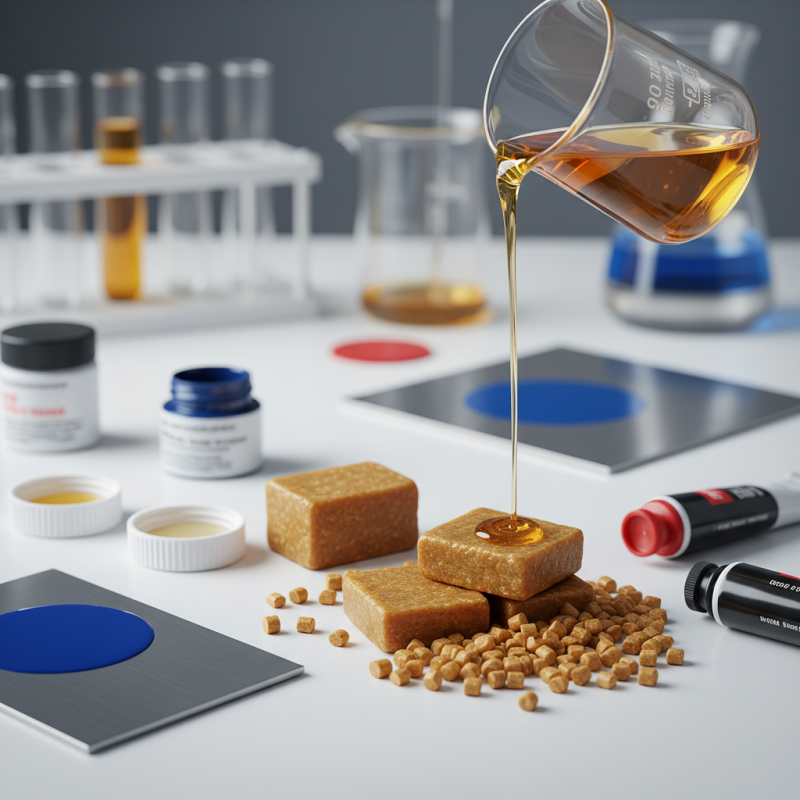
Aromatic Petroleum Resin: An Overview of Its Chemical Composition
Aromatic Petroleum Resin (APR) encompasses a complex mixture of hydrocarbons. These resins are primarily derived from the polymerization of aromatic fractions of petroleum. The primary components include aromatic compounds, such as styrene and xylene, alongside aliphatic hydrocarbons. This chemical structure allows APR to exhibit unique properties that make it valuable across various applications.
The versatility of APR is reflected in its physical characteristics. For instance, its glass transition temperature typically ranges from 100°C to 130°C. This quality enables it to perform effectively in high-temperature conditions. In adhesive formulation, APR contributes to enhanced adhesion and improved thermal stability. According to a recent market analysis by Grand View Research, the global market for petroleum resins is projected to reach approximately $3.3 billion by 2027. This growth signifies a rising demand for APR in industries such as packaging, coatings, and rubber.
Despite its numerous advantages, it is crucial to acknowledge the challenges associated with APR usage. Issues of compatibility with other resins can arise, leading to inconsistent performance in some formulations. Furthermore, environmental considerations related to the production process require ongoing attention. Thus, while APR proves beneficial in many applications, careful assessment and testing are essential for optimal outcomes.
Key Properties of Aromatic Petroleum Resin and Their Industrial Applications
Aromatic petroleum resin possesses unique properties that make it valuable in various industries. Its high softening point and superior adhesion capabilities contribute to its performance in adhesives, coatings, and inks. According to recent industry reports, the global aromatic petroleum resin market is projected to reach USD 3.5 billion by 2025, highlighting its growing significance in manufacturing processes.
In the adhesives sector, aromatic petroleum resin improves bond strength and flexibility, enhancing product durability. In coatings, it offers excellent gloss and hardness, making it ideal for automotive and industrial applications. Industries increasingly rely on the resin for its ability to enhance the performance of traditional materials.
**Tip:** When selecting aromatic petroleum resins, consider the softening point and viscosity for your specific application. Adjusting these parameters can yield better results in adhesion and coating performance.
However, sourcing high-quality resin can be challenging. Not all suppliers provide consistent quality, which can lead to performance issues in end products. Testing small batches before large-scale production is essential to ensure compatibility and effectiveness.
**Tip:** Document your testing processes. Keeping records will help identify trends and quality variations over time.
Major Industries Utilizing Aromatic Petroleum Resin for Enhanced Performance
Aromatic petroleum resin is widely utilized across various industries. Its versatility makes it a valuable resource for enhancing product performance. The adhesive industry, for instance, benefits from its strong bonding properties. This resin improves tackiness in adhesives, leading to better performance in applications like automotive assembly and construction.
Moreover, the coatings industry leverages aromatic petroleum resin for its excellent flow and leveling properties. This enables smoother finishes in paints and coatings. Industries such as flooring and furniture often use these coatings for durability and aesthetic appeal. The resin’s compatibility with other materials is another advantage, offering flexibility to manufacturers.
However, there are challenges associated with using aromatic petroleum resin. Not all resins are created equal; their properties can vary significantly. Buyers need to assess their specific requirements carefully. A choice driven solely by price may result in subpar performance. Understanding the nuances of this material is essential for making informed purchasing decisions. Engaging with experts can aid in navigating these complexities.
Aromatic Petroleum Resin Best Uses and Benefits for Buyers
Economic Benefits of Using Aromatic Petroleum Resin in Manufacturing Processes
Aromatic petroleum resin is becoming a preferred choice in various manufacturing processes. Its unique properties bring economic advantages that can significantly impact productivity. The resin is known for its excellent adhesion and compatibility with other materials. This makes it a valuable component in adhesives, coatings, and sealants.
Using aromatic petroleum resin can cut costs. It enhances the performance of products without requiring large volumes. Manufacturers often find that less resin can achieve better results. This not only saves money but also reduces waste. Another point to consider is that it can offer better thermal stability compared to alternative materials. This can translate to improved product lifespan in various applications.
Tips: To maximize benefits, conduct small-scale trials before large purchases. Monitor performance differences to ensure you're getting the best value. Always evaluate suppliers for quality assurance, as not all resins perform the same. Remember, investing time in research can lead to more informed decisions and better outcomes.
Environmental Considerations and Sustainability of Aromatic Petroleum Resin Use
Aromatic petroleum resin serves various industries but it's essential to consider its environmental impact. The extraction and refinement processes can pose risks, such as greenhouse gas emissions. Buyers must weigh these factors while recognizing the potential for sustainable practices within their use.
Sourcing from responsible suppliers is crucial. They adhere to regulations and use eco-friendly processes. It’s important for buyers to evaluate suppliers based on their commitment to sustainability. This assessment can strengthen a company's environmental policies.
Tips: Consider conducting a life cycle assessment of aromatic petroleum resin products. Research alternatives that may have less environmental impact. Engaging with suppliers about their sustainability initiatives can lead to meaningful improvements. Small changes in sourcing can significantly enhance environmental responsibility.


 English
 Polski
  Čeština