What is Air Cushion Protective Packaging Benefits and Uses?
Air cushion protective packaging has emerged as a vital component in the shipping and logistics industry. Reports from Smithers Pira indicate that the global market for protective packaging, including air cushion options, is expected to reach $39 billion by 2025. This growth highlights the increasing demand for efficient and effective shipping solutions that safeguard products during transit.
Experts like Dr. Emily Richards, a leading authority in packaging technology, emphasize the importance of air cushion protective packaging. She states, “Using air cushions can significantly lower damage rates in shipping, enhancing customer satisfaction.” This statement underscores the benefits air cushions bring to logistics, especially in online retail. They provide lightweight, durable protection while reducing shipping costs and environmental impact.
However, challenges remain. Not all companies fully embrace air cushion technologies. Some businesses still rely on traditional methods, potentially increasing their product damage rates. There is a continuing need for education on the advantages of adopting modern protective packaging solutions. As the industry evolves, staying informed and adaptable is key to competing effectively.
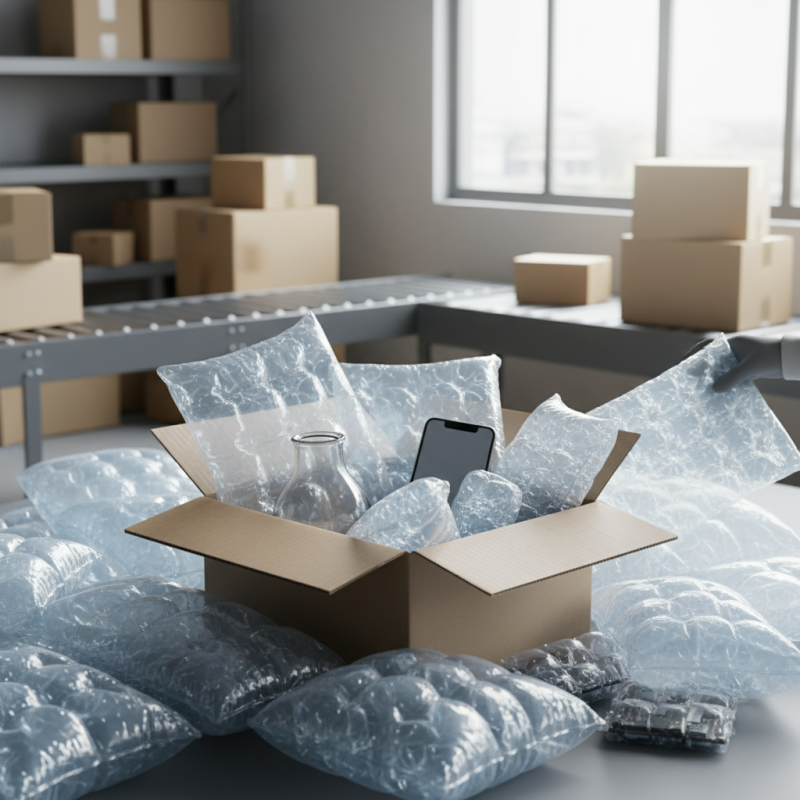
What is Air Cushion Protective Packaging and Its Composition
Air cushion protective packaging is essential in modern logistics. It primarily consists of air-filled chambers, created through extrusion or other methods. This structure provides a lightweight yet durable solution for safeguarding goods during transit. According to a report from Smithers Pira, the global protective packaging market reached $33 billion in 2020 and is projected to grow significantly.
These air cushions are designed to absorb shock and prevent damage. They can conform to various shapes, further enhancing their protective capability. Environmental considerations are crucial too. Many air cushion materials are recyclable, contributing to sustainability efforts. However, not all companies utilize eco-friendly options, necessitating more awareness within the industry.
While air cushion packaging proves effective, it is not foolproof. Improper sealing or puncturing can compromise their function. Companies should evaluate their packaging processes regularly. Statistics show that about 30% of damage during shipping occurs due to inadequate packaging. Thus, continuous improvement is needed to ensure products reach consumers intact. More education on correct usage practices is vital for optimizing air cushion protective packaging.
Key Benefits of Air Cushion Protective Packaging in Various Industries
Air cushion protective packaging offers significant advantages across various industries.
This type of packaging is primarily designed to protect products during transit. It consists of air-filled pockets that absorb shocks and impacts.
Reports indicate that around 90% of damaged goods are due to inadequate packaging solutions.
Using air cushions can drastically reduce this risk.
In the e-commerce sector, air cushion packaging is especially valuable.
The fast-paced nature of online shopping demands reliable protection mechanisms.
A study highlighted that adopting air-filled packaging reduced shipping damage claims by over 30%.
This reflects its effectiveness in meeting customer expectations while minimizing costs associated with returns and replacements.
Tips: Always test different packaging methods. Consider product weight and fragility before settling on a solution.
In the electronics industry, air cushion packaging is crucial.
Fragile items like smartphones and laptops require specialized protection.
Industry analysis shows that using air cushions can lower return rates by up to 20%.
This protects brand reputation while ensuring customer satisfaction.
Tips: Regularly review packaging materials to innovate and improve.
Keep in mind that aesthetic appeal can also influence customer perception.
Comparative Analysis of Air Cushioning vs. Traditional Packaging Materials
Air cushion protective packaging has gained popularity for its effectiveness compared to traditional materials like bubble wrap or Styrofoam. According to a 2022 report by Smithers Pira, the air cushioning market is projected to grow by 5.6% annually, driven by e-commerce demands. This rise highlights the efficiency of air cushions in protecting goods while minimizing weight, which is crucial for shipping costs.
When comparing air cushioning to traditional materials, air cushions offer superior protection without the bulk. The ligature of air pockets absorbs shocks efficiently. Traditional packaging materials, like cardboard, can compress over time and fail to provide adequate protection. Additionally, a study from the Institute of Packaging Professionals in 2021 indicated that air cushioning could reduce material usage by up to 30%, which is significant for environmentally conscious businesses.
However, air cushions can be more expensive upfront and may require specialized equipment for production. While they reduce shipping weights and potential damage, the need for a reliable supply chain remains. Some businesses still rely on traditional packaging due to familiarity or cost constraints. This comparative analysis underscores the evolving preferences in packaging solutions and the balance between cost and protection.
Case Studies: Successful Implementation of Air Cushion Packaging Solutions
Air cushion protective packaging has become crucial for many industries, offering both protection and cost-effectiveness. In a recent report by Smithers Pira, it was noted that air cushion technology can reduce packaging costs by up to 35%. Many companies have successfully implemented this solution to enhance product safety during shipping.
For instance, a mid-sized electronics distributor faced significant losses due to shipping damages. After transitioning to air cushion packaging, they reported a 70% reduction in product returns related to damage. This result reflects the protective capabilities of air cushions, which absorb impact and prevent movement. Industry experts recommend that businesses regularly assess their packaging methods. This ensures they remain efficient and effective.
Another case study involves a cosmetics brand. They used air cushions to package fragile glass products. They witnessed a remarkable decrease in breakage rates, down to just 2% from 15%. However, some operations struggle with the transition due to initial costs and training. Ultimately, evaluating both immediate benefits and long-term advantages becomes essential. Packaging should adapt continually to meet evolving market demands.
Benefits of Air Cushion Protective Packaging
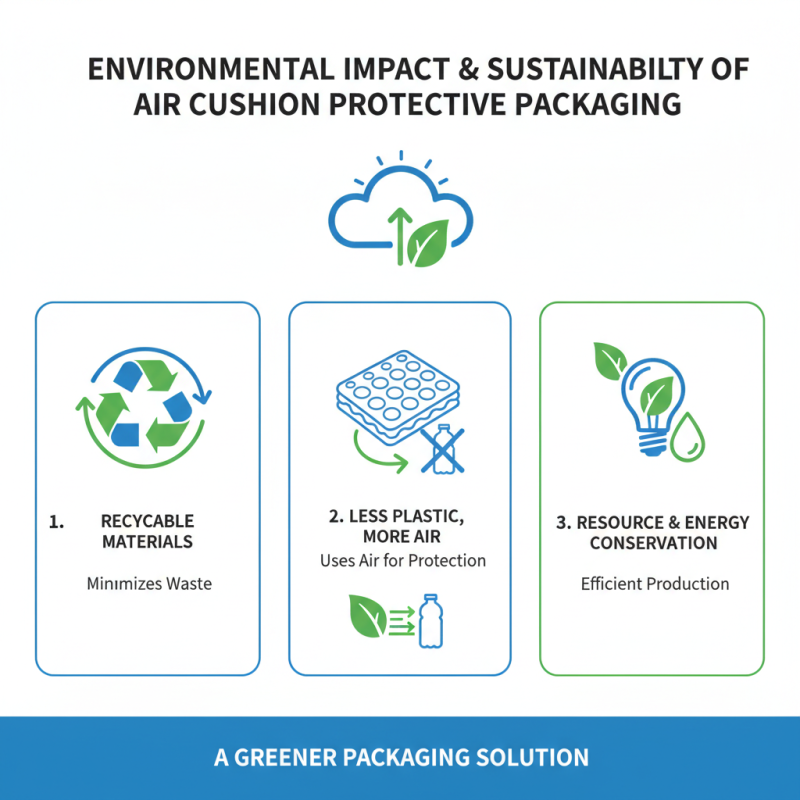
Environmental Impact and Sustainability of Air Cushion Protective Packaging
Air cushion protective packaging offers significant benefits in reducing environmental impact. Made from recyclable materials, it can help minimize waste. Unlike traditional packaging, air cushions require less plastic and use air to provide protection. This approach conserves resources and energy during production.
Many companies are shifting to eco-friendly options. Air cushions can easily be reused or recycled, which promotes sustainability. When disposed of properly, they can significantly lower landfill contributions. However, not all air cushion products are fully biodegradable. It is essential to check the materials used.
Tips for packaging sustainably: Always select air cushions made from recycled content. Avoid single-use designs and opt for reusable options whenever possible. Reduce your packaging size to save materials and minimize waste. Small changes can lead to more significant environmental benefits. Make informed choices to ensure your packaging aligns with eco-friendly practices.



 English
 Polski
  Čeština