
Request a Quote
  • Affiliates

7 Vitamins To Boost Immune System Tips You Need

A strong immune system depends on many daily habits, including balanced nutrition, adequate sleep, physical activity, and recommended vaccinations. Vitamins To Boost Immune System support normal immune functions, but they are not instant shields against infections. Their value depends on individual needs, diet quality, age, health conditions, and possible deficiencies.

Vitamin C helps protect cells from oxidative stress and supports normal immune activity. Vitamin D contributes to immune regulation, especially when sunlight exposure is limited. Zinc supports immune-cell development, while vitamins A, E, and B6 also play important biological roles. Food usually provides the safest foundation: oranges, peppers, eggs, oily fish, beans, nuts, leafy greens, and fortified products offer practical options.

Small choices matter.

However, more is not always better. Excessive supplementation can cause nausea, nerve problems, liver strain, or interactions with medicines. Some popular claims sound convincing but lack strong evidence for healthy people. That uncertainty deserves attention. A supplement may help someone with a confirmed deficiency, yet provide little benefit to another person eating adequately.

This guide explains seven vitamins and nutrients commonly linked with immune health. It focuses on what research supports, where evidence remains limited, and how food choices fit into everyday routines. Before starting high-dose supplements, speak with a qualified healthcare professional, particularly during pregnancy or when managing kidney disease, liver disease, or prescribed medication. Clear information matters more than dramatic promises.
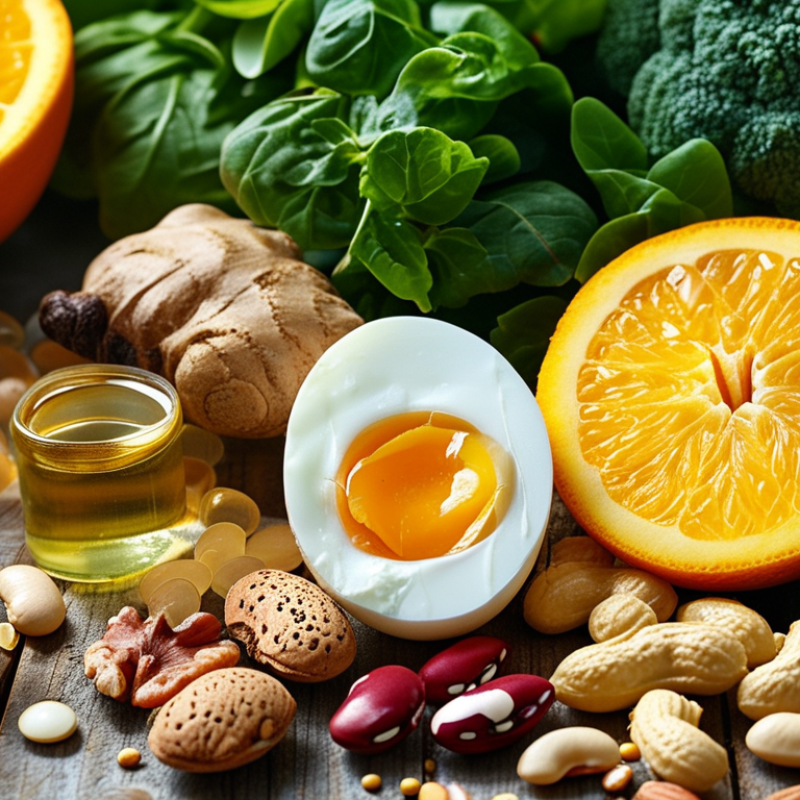
7 Vitamins To Boost Immune System Tips You Need

Understanding the Role of Vitamins in Immune System Support

7 Vitamins To Boost Immune System Tips You Need

Understanding the Role of Vitamins in Immune System Support

Vitamins support immune cells, skin barriers, and normal inflammation control. They do not create instant protection. Not a magic shield.

Vitamin A helps maintain the nose, lungs, and intestinal lining. Find it in eggs, dairy foods, carrots, and dark leafy vegetables.

Vitamin C supports connective tissue and antioxidant defenses. Citrus fruit, peppers, and broccoli provide useful amounts.

Vitamin D helps immune cells communicate effectively. Sunlight, fatty fish, eggs, and fortified foods may contribute. However, sunlight exposure varies widely between people.

Vitamin E protects cells from oxidative stress. Nuts, seeds, and plant oils contain it.

Vitamin B6 supports chemical reactions involved in immune signaling. Poultry, fish, potatoes, and bananas provide B6.

Vitamin B12 helps form healthy blood cells and supports the nervous system. It occurs mainly in animal foods and fortified alternatives.

Folate, also called vitamin B9, supports cell division and immune-cell production. Beans, greens, and avocado are practical sources.

A balanced diet usually supplies enough for healthy adults. That point is easy to overlook. More is not automatically better, especially with supplements.

Excess vitamin A or D can cause harm.

People with restricted diets, digestive conditions, pregnancy, or suspected deficiency should seek professional advice. A clinician may review symptoms, diet, medicines, and laboratory results before recommending supplementation. Nutrient needs also change with age, illness, and lifestyle.

Vitamin D, Vitamin C, and Their Immune-Health Functions

Vitamin D and vitamin C support immune health in different ways. Vitamin D helps regulate immune-cell activity and supports the body’s barrier defenses. Sunlight can help the skin produce it, but winter, darker skin, indoor work, and limited sun exposure may reduce production. Fatty fish, egg yolks, and fortified foods also provide vitamin D. A blood test can clarify whether supplementation is appropriate.

Vitamin C acts as an antioxidant and supports collagen, skin, and immune-cell function. Citrus fruits, kiwi, peppers, broccoli, and strawberries offer useful amounts. Eating sliced peppers with lunch may be more practical than relying on a large tablet. The body does not store much vitamin C, so regular food sources matter. High doses may cause stomach discomfort or diarrhea.

It is tempting to call these nutrients immune “boosters,” but that phrase oversimplifies the evidence. They help normal immune processes, especially when a deficiency exists. They cannot replace sleep, vaccination, hand hygiene, or balanced meals. More is not always better. A healthcare professional can review medications, kidney conditions, pregnancy, and test results before recommending supplements. Individual needs vary. My own assumption would need checking. Nutrient advice should stay humble.

Vitamin A, Vitamin E, and Vitamin B6 for Immune Defense

7 Vitamins To Boost Immune System Tips You Need

Vitamin A helps maintain skin, airway, and gut barriers, which meet many invading microbes. It also supports antibody production and healthy immune-cell development. The World Health Organization estimates that vitamin A deficiency affects about 190 million preschool children worldwide. Pregnant women are also affected. That figure makes dietary access a public-health issue, not merely a supplement trend. Orange sweet potatoes, carrots, spinach, eggs, and dairy foods provide vitamin A or its precursors. Too much preformed vitamin A can harm the liver and developing babies, so higher doses need professional guidance.

Vitamin E protects cell membranes from oxidative damage and supports immune signaling. The NIH Office of Dietary Supplements lists 15 milligrams daily for most adults. Almonds, sunflower seeds, vegetable oils, and wheat-germ products can help meet that target. Vitamin B6 supports more than 100 enzyme reactions, including pathways involved in immune-cell communication. Adults aged 19–50 generally need 1.3 milligrams daily, according to NIH guidance. Poultry, fish, potatoes, chickpeas, and bananas offer practical sources. Food comes first.

Still, nuance matters. Vitamin E deficiency is uncommon in healthy people, while vitamin B6 deficiency can appear with poor absorption or certain medical conditions. A bigger dose is not automatically better. I have seen wellness advice treat “immune support” like a switch, but biology is less convenient. Blood tests, diet history, medications, and life stage can change the right recommendation. Some details remain uncertain, and that is worth admitting.

7 Vitamins To Boost Immune System Tips You Need - Vitamin A, Vitamin E, and Vitamin B6 for Immune Defense

Vitamin How It Supports Immune Function Adult Daily Target Food Sources Deficiency Considerations Adult Upper Limit
Vitamin A Helps maintain the skin and mucous membranes, which act as protective barriers, and supports normal immune-cell activity. Men: 900 mcg RAE
Women: 700 mcg RAE
Sweet potatoes, carrots, spinach, kale, eggs, dairy foods, and liver. Low intake can impair immune defenses and vision. Beta-carotene from vegetables is generally safer than high-dose preformed vitamin A. 3,000 mcg RAE of preformed vitamin A per day.
Vitamin C Supports the skin barrier, antioxidant protection, and the function of several immune cells. Men: 90 mg
Women: 75 mg
Smokers need an additional 35 mg daily.
Citrus fruits, kiwi, strawberries, bell peppers, broccoli, and tomatoes. Deficiency may cause fatigue, poor wound healing, and impaired immune function. Regular supplementation does not usually prevent colds but may modestly shorten their duration in some people. 2,000 mg per day from food and supplements.
Vitamin D Helps regulate immune signaling and supports the normal function of innate and adaptive immune responses. 15 mcg (600 IU) for adults ages 19–70
20 mcg (800 IU) for adults over 70
Fatty fish, egg yolks, fortified foods, and sunlight-driven skin synthesis. Risk of low status is higher with limited sun exposure, darker skin, older age, or malabsorption. Benefits of supplements are most likely when deficiency is present. 100 mcg (4,000 IU) per day.
Vitamin E Acts as a fat-soluble antioxidant and helps protect cell membranes, including those involved in immune responses. 15 mg alpha-tocopherol Almonds, sunflower seeds, peanuts, vegetable oils, wheat germ, and spinach. Deficiency is uncommon in healthy adults but can occur with fat-malabsorption disorders and may affect nerves, muscles, and immunity. 1,000 mg per day of supplemental alpha-tocopherol.
Vitamin B6 Supports biochemical reactions involved in antibody production, immune-cell development, and inflammatory regulation. Adults ages 19–50: 1.3 mg
Men over 50: 1.7 mg
Women over 50: 1.5 mg
Poultry, fish, potatoes, chickpeas, bananas, fortified cereals, and beef. Low levels may contribute to anemia and weakened immune responses. Very high supplemental doses over time can cause nerve damage. 100 mg per day for adults.
Vitamin B12 Supports DNA synthesis, red blood cell formation, and normal neurological and immune-cell function. 2.4 mcg Fish, meat, poultry, eggs, dairy foods, and fortified foods. Older adults, people following vegan diets, and those with absorption problems may be at increased risk of deficiency. No established upper limit for healthy adults.
Folate (Vitamin B9) Supports DNA production, cell division, and the formation of blood cells that contribute to normal immune-system function. 400 mcg DFE Leafy green vegetables, beans, lentils, asparagus, avocado, citrus fruits, and fortified grains. Deficiency can cause megaloblastic anemia and may impair rapidly dividing cells. Folic acid can mask some signs of vitamin B12 deficiency. 1,000 mcg per day of folic acid from supplements and fortified foods.

Note: A balanced diet usually provides adequate vitamins for immune health. Supplements are most useful when dietary intake is insufficient or a deficiency has been identified. Daily targets and upper limits are based on adult reference values from the U.S. National Institutes of Health Office of Dietary Supplements.

Food Sources and Safe Ways to Meet Daily Vitamin Needs

7 Vitamins To Boost Immune System Tips You Need

Food Sources and Safe Ways to Meet Daily Vitamin Needs

A varied plate can support normal immune function without turning meals into a chemistry project. Vitamin A comes from carrots, pumpkin, eggs, and leafy greens. Vitamin C appears in oranges, guava, peppers, broccoli, and strawberries. Vitamin D is found in oily fish, egg yolks, and fortified foods. Vitamin E comes from almonds, sunflower seeds, and avocado. Vitamin B6 is present in poultry, potatoes, bananas, and chickpeas. Vitamin B12 comes mainly from fish, meat, eggs, and dairy foods. Folate is plentiful in beans, spinach, asparagus, and citrus fruit.

Food comes first.

In practice, regular meals are often safer than chasing large supplement doses. Wash produce carefully, cook foods properly, and combine different colors throughout the week. Vitamin D may require testing, especially with limited sun exposure, darker skin, or certain medical conditions. Supplements can help confirmed deficiencies, but they are not automatic immune shields. More is not better. Excess vitamin A, D, E, B6, or other nutrients can cause harm or interact with medicines. Check the label for serving size and avoid stacking several products with the same vitamin. A pharmacist, registered dietitian, or clinician can review your diet, health history, and laboratory results. It is easy to assume tiredness means a vitamin deficiency, but sleep, stress, infection, and other conditions may explain it. That assumption deserves a second look.

7 Vitamins to Boost Immune System: Food Sources and Safe Ways to Meet Daily Vitamin Needs

Approximate contribution of one common food serving to the U.S. adult Daily Value for seven vitamins.

How to use this chart: A varied diet can provide meaningful amounts of immune-supporting vitamins. The percentages are based on one serving of each food: baked sweet potato, orange, cooked salmon, almonds, cooked chickpeas, cooked egg, and cooked spinach.

Safe approach: Food is usually the best first choice. Avoid high-dose supplements unless recommended by a qualified healthcare professional. Adult upper limits apply to many supplements, including preformed vitamin A, vitamin C, vitamin D, vitamin E, vitamin B6, and folic acid; individual needs may differ during pregnancy, illness, or medication use.

Daily Values are based on U.S. adult reference values. Food amounts are approximate and drawn from standard USDA FoodData Central entries and National Institutes of Health nutrient guidance.

Deficiency Risks, Supplement Use, and Professional Guidance

Seven vitamins are often linked with immune health: A, C, D, E, B6, B12, and folate. They support skin barriers, blood cells, and normal immune reactions. Yet, “boosting” immunity is not as simple as taking more vitamins. A deficiency can increase health risks, especially with restricted diets, digestive disorders, limited sunlight, or certain medications. Vitamin D deficiency may occur during long indoor periods, while B12 deficiency deserves attention in some plant-based diets.

Supplement use requires restraint. High doses of vitamins A, D, E, and B6 may cause harm over time. Water-soluble vitamins are not automatically harmless either. Excess B6, for example, can affect nerves. A clinician can review symptoms, diet, medications, pregnancy status, and laboratory results before recommending supplements. Blood testing is useful in some cases, but it is not needed for everyone. The uncomfortable truth is that a colorful meal, steady sleep, and regular movement may help more than an expensive pill. I sometimes underestimate how difficult consistency is.

Tips: Eat vegetables, fruit, beans, eggs, fish, or fortified foods regularly. Ask a healthcare professional before using high-dose supplements. Do not treat fatigue as proof of vitamin deficiency. Check labels carefully. Reassess the plan after several weeks. A supplement cannot repair every health habit.

en_USEnglish