2026 Top Digital Crimper Types for Global Buyers
For global buyers, choosing a Digital Crimper is no longer a simple comparison of force, speed, and price. The right machine must match terminal geometry, wire range, production volume, operator skill, and service access. A benchtop electric model may suit controlled assembly cells. A programmable servo crimper can support repeatable, high-volume production. Battery-powered handheld units offer mobility. But mobility can hide calibration limits.
Crimping-process engineer Markus Schmid offers a practical reminder: “A reliable crimp begins with controlled variables, not impressive machine specifications.” This principle guides the comparisons in this article. Each Digital Crimper type is considered through measurable factors, including crimp-height consistency, force monitoring, tooling changes, cycle time, noise, maintenance, and operator feedback. Buyers should also examine documentation, spare-part availability, training, and regional technical support. A low purchase price may become expensive when one replacement die takes weeks to arrive.
The 2026 market also brings smarter interfaces, stored recipes, sensor-based inspection, and connected production records. These features can improve traceability, but they do not replace skilled setup. Sometimes, less automation is safer. A simple machine with clear controls may outperform an advanced unit in a small workshop. This guide compares practical applications rather than promoting one universal solution. Specifications can look perfect on paper. Real wire, terminals, temperature changes, and human habits may tell a different story. Global buyers should verify samples, request test data, and review applicable quality requirements before placing large orders.
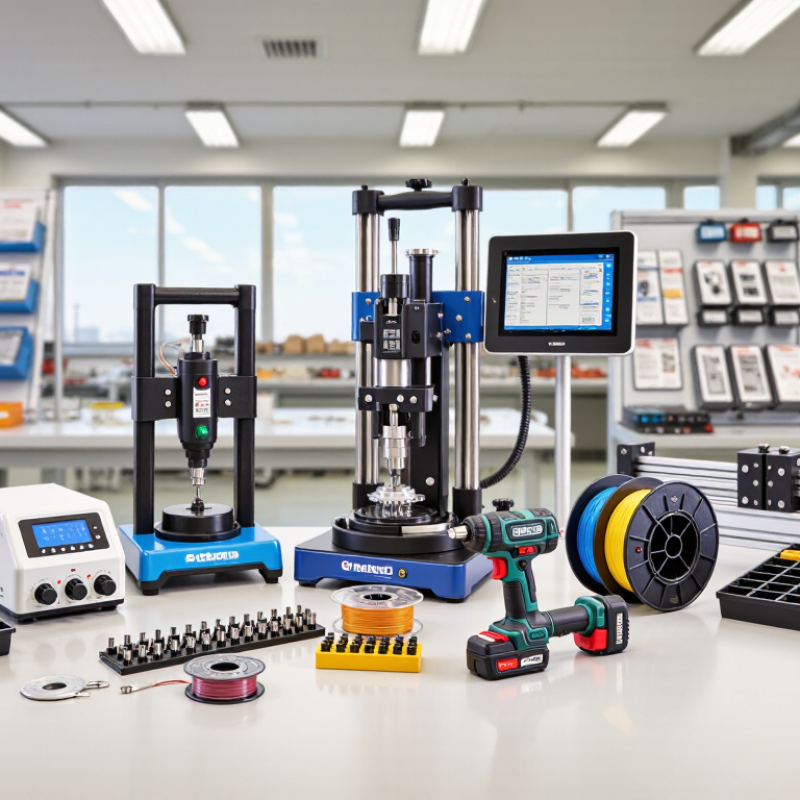
What Is a Digital Crimper and How Does It Work?
A digital crimper is a precision tool that joins a wire and terminal through controlled compression. Unlike a basic hand crimper, it uses a motor, servo drive, or hydraulic system to manage each cycle. The operator selects a stored recipe, including terminal size, wire range, stroke, and target force. A sensor then monitors the compression curve. If the result falls outside the permitted window, the machine can stop or flag the connection.
In practice, the process is simple but demanding. A stripped wire enters the terminal, and the die closes around both parts. The machine records peak force, displacement, and cycle time. This trace helps technicians identify loose strands, incorrect wire placement, or worn tooling. IPC/WHMA-A-620 remains a widely used reference for cable and wire-harness workmanship. The International Federation of Robotics reported 541,302 industrial robots installed worldwide in 2023, showing the broader shift toward measurable factory automation. Yet automation is not automatically accuracy. A poorly calibrated sensor can repeat the same mistake thousands of times.
Tips: Check terminal geometry before choosing a die. Run sample crimps at the start of every shift. Inspect cross-sections periodically, not only force graphs. Keep records of force trends and tool wear. A digital reading looks convincing, but visual inspection still matters. In my experience, operators often trust the screen too much. The connection deserves a physical check.
Core Types of Digital Crimpers for Different Applications
Digital crimpers serve different production needs, from repair benches to high-volume wire harness lines. Handheld digital crimpers suit field work, maintenance, and small batches. Their displays can show crimp count, battery status, and force feedback. They are portable, but their capacity is limited. That limitation matters.
Benchtop electric or servo-driven crimpers offer better repeatability for terminals, connectors, and harness assemblies. Operators can adjust stroke, pressure, and cycle speed through a digital interface. Some systems record force curves and production data, supporting quality audits. Pneumatic digital crimpers remain useful for continuous work, especially when compressed air is already available. Hydraulic models handle larger cables and heavier terminals, but they need careful die selection and routine inspection. Coaxial and specialty crimpers are more application-specific. They should not be chosen by appearance alone.
Tips: Match the crimper with terminal material, cable size, daily volume, and required traceability. Check calibration procedures before purchase. Ask for sample-crimp testing. A perfect display does not guarantee a reliable joint. Operators still need training, visual inspection, and pull testing. In practice, buyers sometimes prioritize speed and overlook die wear. That mistake can create inconsistent compression, even when digital readings look normal. Consider service access, replacement tooling, and regional electrical requirements before approving a global shipment.
Key Features Global Buyers Should Compare
2026 Top Digital Crimper Types for Global Buyers
Digital crimpers now range from compact handheld tools to bench-top and electro-hydraulic systems. Each type suits different production conditions. Handheld models support field repairs and low-volume assembly. Bench-top units offer steadier positioning and faster repeated work. Electro-hydraulic versions deliver higher crimping force for larger terminals and demanding materials. Pneumatic models can reduce operator fatigue, but they require a dependable air supply. No single type fits every buyer.
Global buyers should compare crimp force, cycle time, die compatibility, and adjustment accuracy. A clear digital display helps operators monitor pressure or completed cycles. However, a display alone does not prove consistent results. Ask for calibration records, test reports, and sample crimps from your own materials. Small details matter. Check whether metric and imperial settings are available. Confirm the input voltage, battery options, plug type, and replacement-part access for your market.
Ergonomics also deserves close attention. A heavy handheld tool may appear powerful, yet cause fatigue during long shifts. Look for balanced grips, overload protection, guarded moving parts, and simple error alerts. For factory use, review data export functions and connection stability. Local training and service response can matter more than a low purchase price. In practical evaluations, comparison sheets often reveal compromises that product pages hide. I would still leave room for doubt, because material hardness and operator technique can change results. Test real terminals before placing a large order.
How to Select the Right Digital Crimper
Selecting the right digital crimper starts with the terminal, not the display. Confirm the wire range, terminal material, and required crimp profile. A tool for small copper contacts may fail on thicker insulated terminals. Check the die size carefully. Fit matters more than advertised power.
In production trials, I inspect crimp height, pull strength, and conductor damage. The digital screen should show force or cycle data clearly. Useful models also provide adjustable pressure, stored settings, and overload protection. Ask whether calibration records are available. This supports repeatable quality across different operators and locations. It also helps during supplier audits.
Do not ignore the working environment. Dust, humidity, and unstable voltage can affect electronic controls. For global buyers, verify input voltage, plug compatibility, spare dies, and service response. A compact tool may suit a repair bench, while a powered model fits higher daily volumes. Ergonomics matters after several hundred cycles. Heavy handles create fatigue.
I once focused too much on maximum crimp force. That was a mistake. The machine was powerful, but its die changes were slow. Measure cycle time in real conditions. Test sample terminals before ordering. A supplier’s test video cannot replace your own inspection. If the crimper records data, confirm export formats and user access. Simple records are often more useful than complicated software.


 English
 Polski
  Čeština