2026 Top Electrical Parking Lift Buying Guide
Choosing an Electrical Parking Lift in 2026 requires more than comparing prices and platform sizes. It requires careful attention to safety, vehicle compatibility, installation conditions, and long-term service support. This guide introduces the practical questions buyers should ask before approving a purchase.
Capacity matters first. Confirm the vehicle’s real curb weight, wheelbase, height, and tire position. A lift rated for two tons may not suit every vehicle configuration. Measure the garage ceiling, entry width, drainage, and available electrical supply before ordering. Small errors become expensive later.
Safety deserves clear evidence. Look for mechanical locking systems, overload protection, emergency lowering, stable platforms, and accessible controls. Ask suppliers for technical drawings, load-test records, installation instructions, and maintenance schedules. Independent certification can strengthen confidence, but certification names should be verified carefully.
Not every attractive design is practical. Some compact models reduce parking space but complicate vehicle access. Others operate quietly yet require specialized servicing. Consider hydraulic components, motor quality, corrosion resistance, replacement parts, and local technician availability. A low purchase price may hide higher maintenance costs.
Real ownership experience often reveals what brochures omit. Listen for operating noise, inspect welds and fasteners, and ask how quickly common parts arrive. Speak with installers, not only sales representatives. Their feedback can expose awkward controls or difficult foundation work.
This guide also compares purchase cost, installation expense, warranty coverage, energy use, and resale value. It cannot remove every uncertainty. Still, careful evaluation can reduce avoidable mistakes and support a safer, more dependable parking solution.
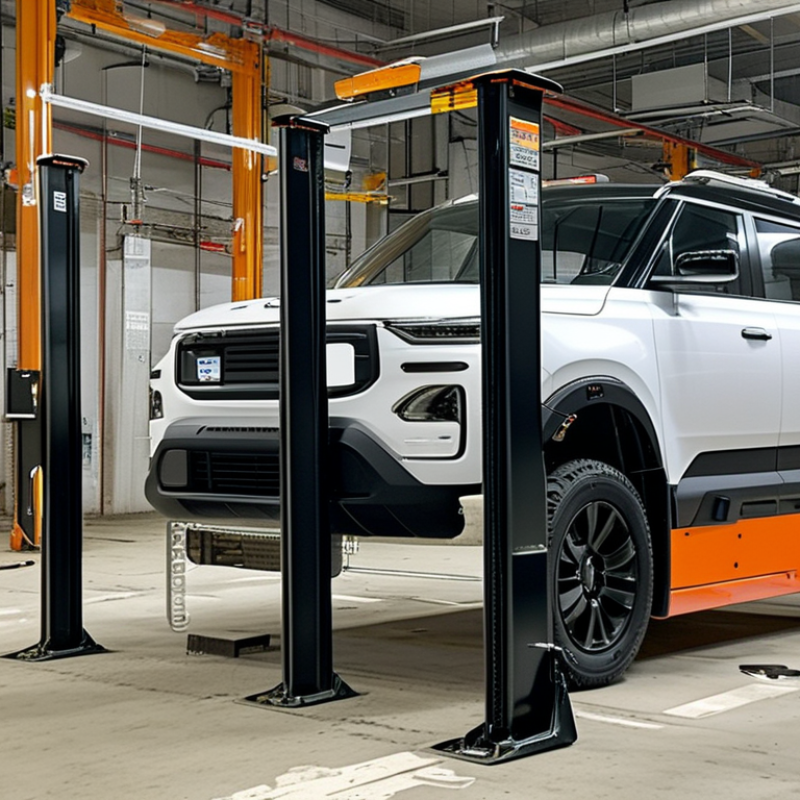
Electrical Parking Lift Basics and Operating Principles
Electrical parking lifts use an electric motor to raise a vehicle platform through hydraulic power, screw drives, or synchronized chains. The motor transfers energy through a control system, while mechanical locks hold the platform at its selected height. It rises quietly. Sensors confirm platform position, door status, and obstruction clearance before movement begins. Emergency-stop buttons interrupt the control circuit, but they do not replace mechanical safety locks.
The International Energy Agency reported more than 14 million electric car sales worldwide in 2023. That growth increases demand for compact parking and charging layouts. Buyers should check rated capacity, platform dimensions, lifting speed, cycle limits, power supply, and installation clearance. A 2024 U.S. Department of Energy guide identifies Level 2 charging as commonly using 208–240-volt service, which may affect site planning.
Keep charging cables away from moving joints and travel paths. Regular inspections should examine locks, cables, hydraulic lines, sensors, and unusual vibration. A clean specification sheet can still mislead. Real garages contain slopes, dust, water, and impatient drivers. I would verify the load test method and maintenance schedule before comparing prices. Missing service access is an expensive weakness. Operators also need practical training, not only a printed manual. Data from professional reports helps, but local electrical assessments and manufacturer-approved installation procedures remain essential.
Main Types of Electrical Parking Lifts for Different Needs
Main Types of Electrical Parking Lifts for Different Needs
Electrical parking lifts vary by site conditions, vehicle weight, and operating frequency. Two-post stackers suit private garages with limited floor space and regular vehicle access. Four-post platforms offer better stability for larger vehicles, but they need greater ceiling clearance. Vertical reciprocating lifts move cars between levels and work well in compact urban buildings. Space changes everything.
Puzzle parking systems shift platforms horizontally and vertically, creating high-density storage. They fit residential towers, hotels, and commercial garages with predictable traffic. Rotary systems can serve smaller sites, although their capacity and vehicle size limits require careful checking. The categories are not perfectly clean. Some systems combine several mechanisms.
Demand is changing with electric vehicles. The International Energy Agency’s Global EV Outlook 2024 reported nearly 14 million electric car sales worldwide in 2023. That growth makes platform loading, cable protection, and charging coordination more important. Check the lift’s rated load, platform width, clearance, emergency lowering, and drainage design. The International Organization for Standardization’s ISO 20957 framework also highlights safety principles for lifting equipment and machinery-related risks. Local installation rules still control the final specification.
For daily use, select a fast system with simple controls and visible safety sensors. For long-term storage, prioritize corrosion resistance and service access. Measure twice. A lift that fits the drawing may still fail when mirrors, charging cables, or uneven tires are included. One practical mistake is treating maximum capacity as everyday capacity. Leave a sensible operating margin.
2026 Top Electrical Parking Lift Buying Guide
Main Types of Electrical Parking Lifts for Different Needs
The chart compares representative rated vehicle-load ranges commonly specified for major electrical parking-lift categories. Two-post and four-post systems are generally suited to private or small commercial parking, while puzzle and tower systems are designed to increase parking density where space is limited. Actual capacity depends on the selected model, platform size, installation conditions, and local safety requirements.
Key Specifications to Compare Before Purchasing
Choosing an electrical parking lift in 2026 requires more than checking its advertised capacity. Compare the rated load with your vehicle’s actual weight, including tools, fuel, and accessories. A 2,700-kilogram rating may look generous, but uneven loading can reduce its practical margin. Measure the platform width, length, and usable height. A large vehicle may fit on paper yet remain difficult to open or position.
The lifting height should match your garage ceiling and parking plan. Check motor power, supply voltage, lifting speed, and duty cycle together. A fast lift is not always better for daily use. Ask whether the control system includes overload protection, emergency stopping, mechanical safety locks, and manual lowering during power failure. Inspect the lock engagement visually. Small details matter.
Installation specifications deserve equal attention. Confirm the required concrete strength, anchor depth, drainage needs, and clearance around moving parts. Request test records, maintenance intervals, spare-part availability, and technician qualifications. Field inspections often reveal problems that brochures omit, especially limited headroom and awkward cable routing. Noise ratings can also be misleading without stated measuring conditions. I would leave extra space around the platform, even when the drawing says it is unnecessary. That choice costs some parking room, but it improves access and may prevent careless positioning. Compare warranty terms carefully, because coverage without local service is only a promise.
How to Choose the Right Electrical Parking Lift in 2026
How to Choose the Right Electrical Parking Lift in 2026
Choosing an electrical parking lift starts with the actual parking space, not the advertised capacity. Measure ceiling height, driveway width, vehicle length, and floor strength carefully. A compact sedan and a heavy electric SUV create very different loading demands. Ask for verified load ratings, platform dimensions, lifting speed, and power requirements. The lift should include stable locking positions, emergency stop controls, and protection against uneven movement. Do not rely on photographs alone. A neat specification sheet can still hide installation limits.
Tips: Check the lift with your heaviest vehicle. Leave space for mirrors, doors, and charging cables. Confirm whether manual lowering works during a power failure. Ask a qualified installer to inspect the concrete, drainage, wiring, and clearance before purchase. Local electrical and building requirements also matter, even when the equipment appears simple.
Daily convenience deserves equal attention. Choose controls that are clear in low light, with visible status indicators and simple access protection. Examine the motor, cables, sensors, and locking mechanism for service access. Reliable equipment needs regular inspection, not just a strong first impression. I have found that buyers often focus on lifting height and forget noise, water exposure, or maintenance time. That is an easy mistake. Request maintenance intervals, replacement-part availability, and written safety procedures. If the supplier avoids practical questions, keep comparing.


 English
 Polski
  Čeština